


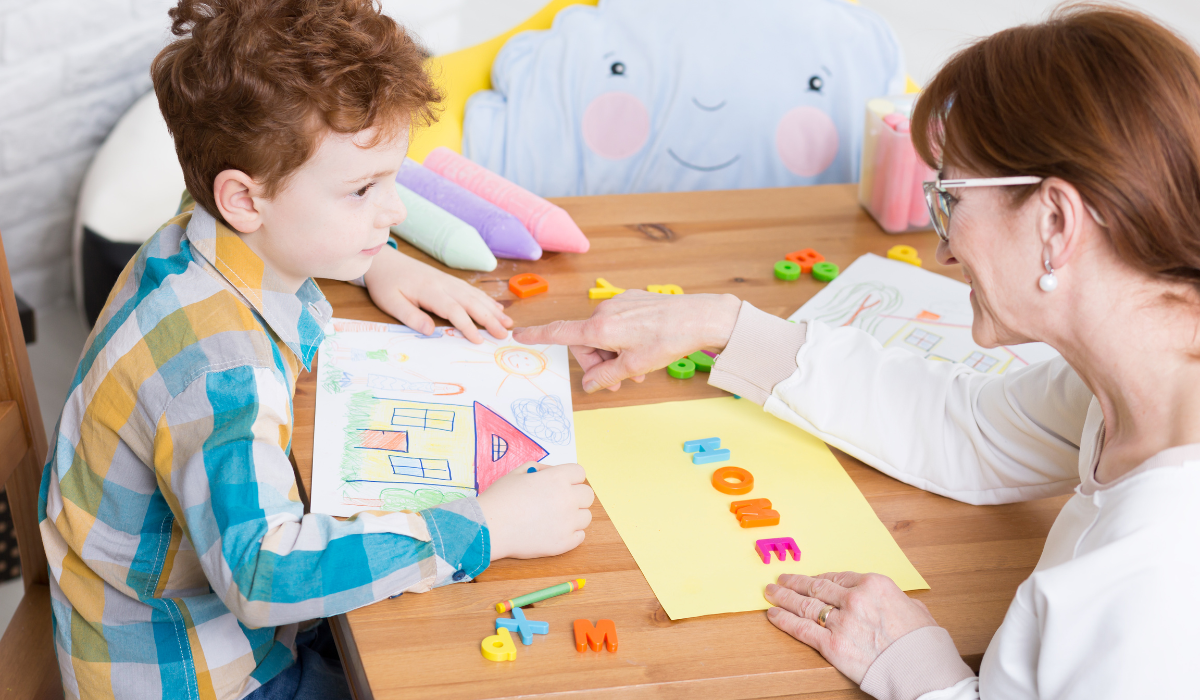
Communication is a vital part of a toddler’s early development, shaping how they express needs, emotions, and ideas. When Toddlers Struggle With Communication, parents often feel uncertain about what is normal and what requires extra support. Families exploring services such as ABA Therapy in Caroline Maryland frequently want clarity on why communication challenges appear and how they can actively help at home.
Early communication difficulties do not define a child’s future. With understanding, consistency, and guided strategies, parents can support meaningful progress during these critical early years.
How Communication Develops in Early Childhood
Communication begins long before spoken words emerge. Toddlers communicate through gestures, facial expressions, sounds, and actions before developing clear language. Each child progresses at a unique pace, and slight delays are common.
Some toddlers quickly imitate words and follow instructions, while others take longer to process language or respond verbally. Differences in attention, memory, and learning style can influence how communication skills emerge.
Recognizing that communication is a layered process helps parents respond with patience rather than worry.
Why Communication Can Be Difficult for Toddlers
There are several reasons Toddlers Struggle With Communication, and these reasons often overlap.
One major factor is limited opportunity for interactive communication. Toddlers learn best through back-and-forth engagement, not passive listening. Without frequent interaction, skill development may slow.
Another reason is difficulty understanding spoken language. Some children need extra repetition or visual support to connect words with meaning.
Emotional regulation also impacts communication. When toddlers feel overwhelmed or frustrated, expressing themselves becomes harder, leading to behaviors that may appear unrelated but stem from communication challenges.
Early Signs Parents May Notice
Parents often notice communication challenges during daily routines. Common signs include limited use of words, difficulty responding to simple questions, or relying on gestures rather than speech.
Some toddlers may understand more than they can express, while others struggle to both understand and communicate. These patterns are important because they guide which strategies will be most effective.
Observing these signs early allows parents to take proactive steps rather than waiting for difficulties to increase.
The Importance of Everyday Interaction
Daily interactions play a powerful role in communication growth. Mealtimes, playtime, and bedtime routines offer natural opportunities for language learning.
When Toddlers Struggle With Communication, slowing down interactions and allowing extra response time can make a significant difference. Speaking clearly, using short phrases, and repeating key words helps reinforce understanding.
Consistency across daily routines builds familiarity, making communication feel more predictable and less stressful for the child.
How Parents Can Support Communication at Home
Parents do not need special tools to support communication—intentional interaction is enough.
Following the child’s lead during play encourages engagement. When a toddler shows interest in an object, labeling it and expanding with simple language supports learning.
Offering choices rather than asking open-ended questions can also help. For example, giving two options encourages participation without overwhelming the child.
Positive reinforcement—acknowledging every attempt to communicate—builds confidence and motivation.
Using Play as a Communication Tool
Play creates a relaxed environment where communication naturally develops. Simple games that involve turn-taking, imitation, and repetition support language growth.
When Toddlers Struggle With Communication, play reduces pressure and encourages experimentation with sounds and words.
Parents can enhance play by staying at eye level, minimizing distractions, and modeling simple language connected to the activity.
Managing Frustration and Emotional Responses
Communication difficulties can lead to frustration for both toddlers and parents. When a child cannot express needs clearly, emotions may escalate quickly.
Acknowledging the child’s feelings, remaining calm, and offering alternative ways to communicate can reduce emotional tension. Over time, as communication improves, these moments typically decrease.
Patience during these moments reinforces trust and emotional safety.
When Structured Support Can Help
Some toddlers benefit from structured guidance beyond home strategies. Services like aba in home therapy focus on teaching communication skills in small, achievable steps within familiar environments.
These approaches often involve parents directly, helping them apply strategies consistently throughout daily routines. This consistency supports long-term progress and skill retention.
Seeking professional support is a proactive decision that strengthens—not replaces—parent involvement.
Tracking Growth and Encouraging Progress
Progress may happen gradually, and that is completely normal. Small changes such as increased eye contact, gestures, or attempts to imitate sounds are meaningful indicators of growth.
Tracking these milestones helps parents stay encouraged and recognize improvement even when progress feels slow.
Celebrating effort rather than perfection reinforces continued communication attempts.
Creating a Communication-Friendly Home
A supportive home environment prioritizes interaction and connection. Reducing background noise, limiting screen exposure, and engaging in frequent conversation support communication development.
Consistency among caregivers is also essential. When everyone uses similar language strategies, toddlers receive clear and predictable communication cues.
How Consistency Shapes Communication Success
Consistency is one of the most powerful factors in early communication development. Toddlers learn best when expectations, language, and responses remain predictable across different situations. When parents respond consistently to attempts at communication, children begin to understand that their efforts have meaning.
Using the same words for common actions, objects, and routines helps toddlers connect language with real-life experiences. For example, using the same phrase during snack time or play creates familiarity and reinforces understanding. Over time, this repetition strengthens comprehension and expression.
Caregivers working together also play a critical role. When parents, grandparents, and childcare providers follow similar interaction patterns, toddlers receive clearer communication cues. This unified approach prevents confusion and supports steady progress.
The Impact of Environment on Communication Growth
A child’s environment can either support or limit communication opportunities. Homes that encourage interaction, curiosity, and engagement naturally promote stronger communication skills.
Reducing background noise, making eye contact during conversations, and allowing uninterrupted playtime can significantly improve a toddler’s ability to focus and respond. Even simple changes—such as turning everyday tasks into shared activities—create moments for meaningful interaction.
Creating an environment where communication attempts are noticed and valued helps toddlers feel confident and motivated to keep trying.
Conclusion
Communication challenges in early childhood can feel overwhelming, but they are not permanent. With understanding, patience, and intentional strategies, meaningful progress is possible. When Toddlers Struggle With Communication, early involvement and consistent support create the strongest foundation for future success.
Parents play the most influential role, and combining home-based strategies with professional guidance can accelerate positive outcomes.
At Able Minds ABA, we know your child is capable of more, and we’re here to show you what children with autism can do. Our expert ABA therapy builds skills for a successful life.
FAQs
What age should toddlers start communicating with words?
Most toddlers begin using simple words between 12 and 18 months, but development varies. Some children rely more on gestures or sounds before words emerge. What matters most is steady progress over time rather than hitting exact milestones.
Is it normal for a toddler to understand more than they can say?
Yes, this is very common. Many toddlers comprehend instructions and conversations well before they can express themselves verbally. Understanding usually develops first, followed by expressive skills with continued practice and support.
How can parents encourage communication during daily routines?
Daily routines like meals, dressing, and playtime offer natural opportunities for interaction. Narrating actions, offering choices, and pausing to allow a response help toddlers participate more actively without pressure.
When should parents seek professional guidance for communication concerns?
If communication challenges persist, cause frequent frustration, or limit daily interaction, professional support can be helpful. Early guidance provides parents with structured strategies that can be used consistently at home.
Can in-home services support communication development?
Yes, structured approaches such as aba in home therapy focus on teaching communication skills within familiar environments. This allows children to practice skills where they naturally spend their time, supporting long-term progress.
How does play help improve communication skills?
Play encourages interaction, imitation, and turn-taking in a relaxed setting. Simple games and shared activities help toddlers practice communication naturally while building confidence and connection with caregivers.
What should parents do when their toddler becomes frustrated?
Acknowledging feelings, staying calm, and offering alternative ways to communicate can reduce frustration. Over time, as communication improves, emotional outbursts often decrease as children gain better ways to express themselves.
How long does it take to see improvement in communication?
Progress looks different for every child. Some improvements appear quickly, while others develop gradually. Consistency, patience, and regular practice are key factors in long-term success.
How can families stay consistent across caregivers?
Using similar words, routines, and responses across caregivers helps toddlers understand expectations. Clear communication between family members ensures that strategies remain consistent throughout the day.
What role do parents play in long-term communication success?
Parents are the most important communication partners. Everyday interaction, encouragement, and responsiveness create the foundation for lasting communication growth and confidence.
Can limited communication affect a toddler’s behavior?
Yes, when toddlers have difficulty expressing needs or understanding others, behaviors such as crying, withdrawal, or resistance may increase. These behaviors often reflect unmet communication needs rather than intentional actions. Supporting communication skills can help reduce these challenges over time.
How can parents measure communication progress at home?
Parents can track progress by noticing small changes such as increased eye contact, more gestures, longer attention during interaction, or attempts to imitate sounds or words. Keeping notes of these improvements helps families recognize growth and stay motivated.
