


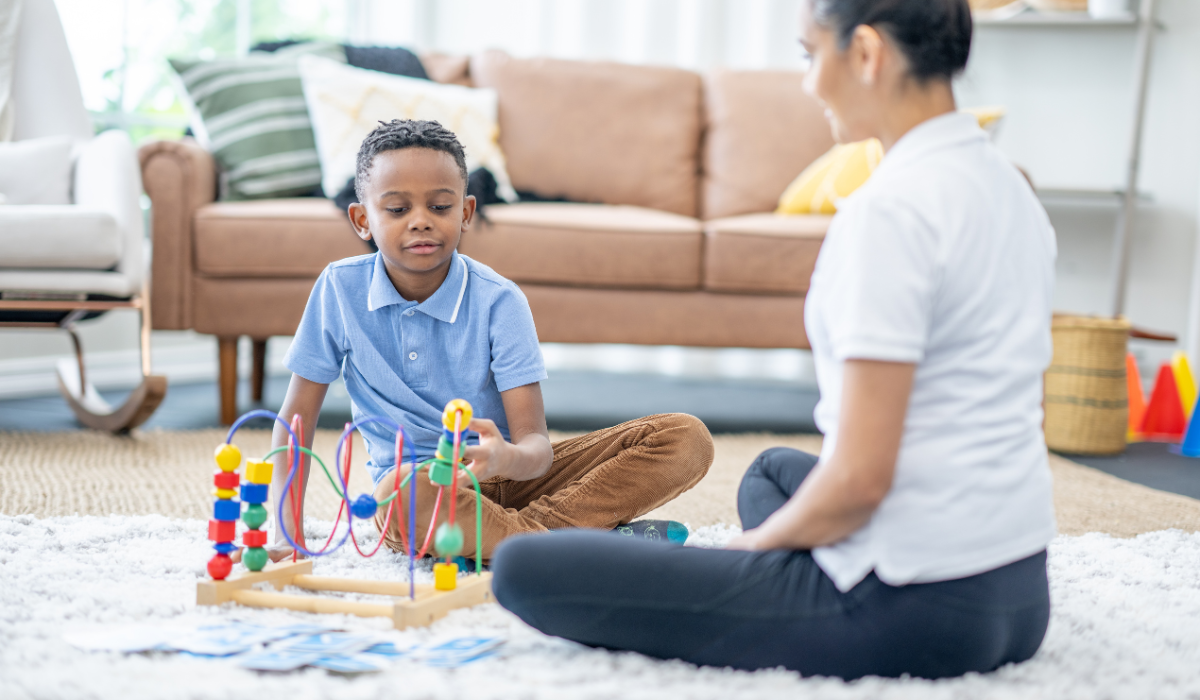
Many families notice that some children respond very intensely to loud sounds, busy places, or unexpected changes in daily routines. What may seem minor to adults can feel overwhelming to a child who is still learning how to process information, manage emotions, and adapt to the world around them. For parents searching for guidance, including services like aba therapy loveville Maryland, understanding the why behind these reactions is often the first step toward meaningful support.
These strong reactions are not a sign of misbehavior or defiance. Instead, they are usually a child’s way of communicating discomfort, confusion, or stress when their environment feels unpredictable or overwhelming.
How Children Experience the World Differently
Children are still developing the skills needed to interpret sounds, sights, and social situations. Their brains process information at a different pace than adults, and some children experience this difference more intensely.
For example, a sudden loud noise can feel startling because a child may not yet have the ability to filter out background sounds. A crowded space may feel confusing due to too many people moving and talking at once. Routine changes can feel unsettling because predictability helps children feel safe and in control.
When these factors combine, a child may react strongly as a natural response to feeling overwhelmed or unsure of what will happen next.
The Role of Predictability in a Child’s Sense of Safety
Routines provide structure, and structure gives children a sense of security. Knowing what comes next helps them prepare mentally and emotionally.
When routines change unexpectedly, some children struggle because they rely heavily on predictability. A missed nap, a delayed meal, or a sudden schedule change can trigger stress because the child’s expectations are disrupted.
Strong reactions in these moments are often an expression of anxiety rather than resistance. The child may not yet have the language or coping skills needed to express discomfort calmly.
Why Noise Can Feel Overwhelming
Noise is one of the most common triggers for intense reactions. Loud or sudden sounds can activate a child’s stress response quickly.
Young children are still learning to regulate their emotions, and loud environments can make that regulation much harder. A noisy classroom, a busy grocery store, or a family gathering can push their tolerance limits.
When noise becomes too much, children may cover their ears, cry, shout, or try to escape the environment. These behaviors are signals that the child needs support, not punishment.
Crowds and Social Pressure
Crowded spaces introduce multiple challenges at once. There are unfamiliar faces, unpredictable movements, and increased noise levels.
For some children, navigating personal space and social expectations in a crowd can feel exhausting. They may struggle to interpret facial expressions, follow social cues, or understand where they should focus their attention.
As pressure builds, the child’s ability to cope decreases, which can lead to strong emotional reactions such as meltdowns or withdrawal.
Emotional Regulation Takes Time to Develop
Emotional regulation is a learned skill, not something children are born with fully developed. Some children need more time and guidance to learn how to calm themselves when they feel stressed.
When faced with noise, crowds, or routine changes, children who are still developing regulation skills may react physically or emotionally because they lack other coping tools.
Teaching calming strategies, offering reassurance, and modeling emotional control are essential steps in helping children build resilience over time.
Communication Challenges and Frustration
Another reason for intense reactions is difficulty expressing needs or feelings clearly. When a child cannot explain what feels wrong, frustration builds quickly.
A child may know something feels uncomfortable but not have the words to describe it. This gap between feeling and communication often results in crying, yelling, or avoidance behaviors.
Improving communication skills can significantly reduce these reactions by giving children healthier ways to express discomfort.
How Structured Support Can Help
Consistent, structured guidance plays a major role in helping children adapt more successfully to challenging situations. One proven approach is ABA Therapy, which focuses on understanding behavior and teaching practical skills step by step.
Through clear routines, positive reinforcement, and gradual exposure to challenges, children learn how to respond more calmly to noise, crowds, and changes. Over time, these skills help reduce stress and improve confidence.
Teaching Flexibility and Coping Skills
Flexibility does not come naturally to every child. It must be taught patiently and practiced regularly.
Support strategies often include preparing children in advance for changes, using visual schedules, and breaking transitions into smaller, manageable steps.
With consistent guidance, children learn that change does not always mean danger and that they can handle new situations successfully. ABA Therapy plays a key role in building this adaptability by reinforcing positive coping behaviors.
The Importance of a Supportive Environment
Children thrive when caregivers, teachers, and therapists work together. A supportive environment recognizes triggers and responds proactively rather than reactively.
Simple adjustments, such as providing warnings before transitions or creating quiet breaks during busy activities, can make a big difference.
When children feel understood and supported, their reactions often become less intense and more manageable over time. ABA Therapy helps families and professionals align on strategies that promote long-term growth.
Progress Happens Gradually
It is important for families to remember that improvement is a process. Strong reactions do not disappear overnight.
Each small success, such as tolerating a louder environment or adjusting to a routine change with less distress, is meaningful progress.
Consistency, patience, and encouragement are essential. With the right support, children can learn to navigate challenging situations more confidently. ABA Therapy provides a structured path for building these life skills at a pace that respects each child’s needs.
How Parents Can Help at Home
Parents play a powerful role in supporting their child’s development. Creating predictable routines, preparing children for changes, and offering calm reassurance can reduce stress significantly.
Observing patterns in behavior also helps parents identify specific triggers. Once triggers are understood, families can plan ahead and respond with empathy rather than frustration.
Over time, this approach strengthens trust and helps children feel safer when facing new or challenging experiences.
Looking Toward a Confident Future
Strong reactions to noise, crowds, or routine changes do not define a child’s potential. They simply highlight areas where support and skill-building are needed.
With understanding, structure, and consistent guidance, children can learn how to manage their reactions and engage more comfortably with the world around them.
Families who seek knowledge and professional support are taking an important step toward empowering their children for long-term success.
Conclusion
Understanding why some children react strongly to noise, crowds, or routine changes helps families replace confusion with compassion. These reactions are signals, not setbacks, and they point toward opportunities for growth. With the right strategies and steady support, children can build the skills they need to face everyday challenges with confidence.
At Able Minds ABA, we know your child is capable of more, and we’re here to show you what children with autism can do. Our expert ABA therapy builds skills for a successful life.
FAQs
Why does my child react so strongly to loud noises?
Some children process sounds differently and may feel overwhelmed when noise levels rise suddenly or stay high for long periods. Loud sounds can trigger stress responses because a child may not yet know how to block out background noise or calm themselves effectively.
Are strong reactions to crowds a behavior problem?
No, these reactions are usually not about behavior choices. Crowds involve many people, movements, and sounds happening at once, which can feel confusing or stressful for a child. Their reaction is often a response to feeling overloaded rather than an attempt to act out.
Why do routine changes upset some children so much?
Routines help children feel safe because they know what to expect. When routines change unexpectedly, some children feel anxious or unsure, which can lead to emotional reactions. Predictability gives them a sense of control, and sudden changes can disrupt that feeling.
Can these reactions improve as my child grows?
Yes, with guidance and practice, many children learn better ways to cope with noise, crowds, and changes. Skills like emotional regulation, communication, and flexibility develop over time, especially when children receive consistent support.
How can parents help reduce these reactions at home?
Parents can help by keeping routines consistent, preparing children in advance for changes, and staying calm during challenging moments. Offering reassurance and teaching simple calming strategies can also make a big difference.
When should families seek professional support?
If strong reactions interfere with daily life, learning, or social activities, it may be helpful to seek professional guidance. Structured support can help identify triggers and teach practical coping skills tailored to the child’s needs.
Do these reactions mean my child cannot handle new experiences?
Not at all. Strong reactions simply indicate that a child needs more support when facing certain situations. With the right strategies and encouragement, children can gradually become more comfortable and confident in new environments.
How does structured therapy support children with these challenges?
Structured approaches focus on understanding why reactions occur and teaching children alternative ways to respond. Over time, this helps children feel more in control, reduces stress, and supports positive long-term development.
