


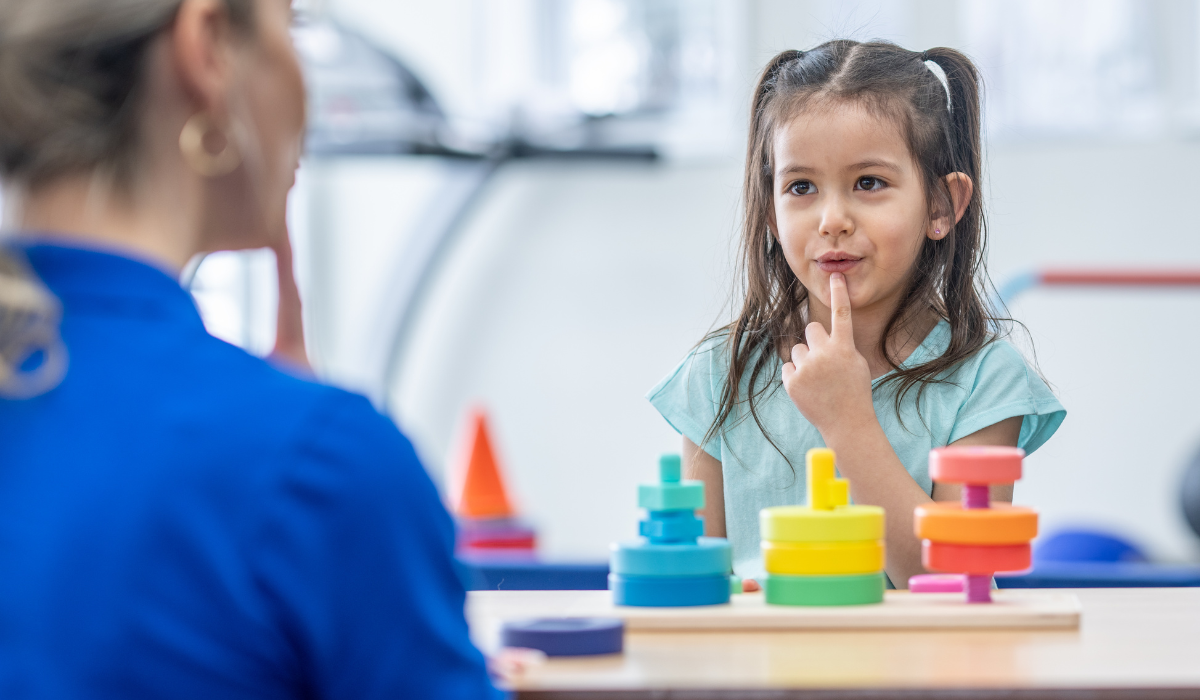
Many families worry that a child who does not speak may never truly communicate. This belief is understandable, but it does not reflect what research and real-life outcomes consistently show. Children who do not use spoken language often have rich inner worlds and a strong desire to connect. With the right support, guidance, and expectations, communication can flourish in many forms. For families exploring ABA Therapy in Cecil Maryland, understanding this potential is an important first step toward hope and progress.
Understanding What “Nonverbal” Really Means
The term Nonverbal Autism is often misunderstood as a complete absence of communication. In reality, it simply describes individuals who do not rely on spoken words as their primary way to express themselves. Communication is much broader than speech alone. It includes gestures, facial expressions, eye gaze, movement, writing, pictures, and technology-based tools.
When we redefine communication in this broader way, it becomes clear that lack of speech does not equal lack of understanding or intent. Many children process language well, recognize routines, and respond meaningfully to people around them, even if they do not speak out loud.
Communication Is a Human Drive
Every human being is driven to connect. The desire to request, protest, share joy, or seek comfort is universal. Children who do not speak still experience these same needs. The difference lies in how those needs are expressed.
Research shows that when adults assume competence and provide consistent opportunities to communicate, children begin to show more intentional behaviors. These behaviors are the building blocks of meaningful interaction and can be shaped into reliable communication systems over time.
Strengths Often Overlooked
Many non-speaking children demonstrate strong visual awareness, memory, and pattern recognition. These strengths can be powerful tools for communication development. When instruction is aligned with how a child best processes information, learning becomes more accessible and motivating.
For example, visual supports, structured routines, and predictable responses from adults help children understand cause and effect. When a child learns that their action leads to a meaningful outcome, communication becomes purposeful rather than frustrating.
Multiple Pathways to Communication
Speech is only one pathway. For many children, alternative and augmentative communication systems open doors that spoken language alone cannot. These systems may include picture-based methods, sign systems, or speech-generating devices.
The goal is not to replace speech but to provide a reliable way for the child to be understood. In many cases, once frustration decreases and communication becomes successful, spoken words may increase naturally over time.
The Role of Early and Consistent Support
Early support plays a major role in communication growth. The earlier a child is given tools to express themselves, the more opportunities they have to practice and refine those skills. Consistency across home, therapy, and community settings helps reinforce learning and builds confidence.
Families who partner with professionals offering ABA Services often see progress because instruction is individualized and data-driven. Skills are taught step by step, with careful attention to what motivates the child and how they learn best.
Motivation Matters More Than Method
No communication system works unless it is meaningful to the child. Motivation is the engine that drives learning. When children are encouraged to communicate about things they care about, progress happens faster and feels more natural.
This might involve requesting favorite items, choosing activities, or expressing preferences. Over time, these simple exchanges grow into more complex interactions that support social and emotional development.
Breaking the Myth of “No Potential”
One of the most harmful myths is that children who do not speak have limited learning potential. This assumption can lead to lowered expectations and fewer opportunities. In contrast, high but realistic expectations encourage growth.
When adults believe a child is capable, they naturally provide richer language models, more interaction, and more chances to participate. These opportunities are critical for building communication skills in children with Nonverbal Autism.
Family Involvement Makes a Difference
Parents and caregivers are a child’s most consistent teachers. Daily routines offer countless opportunities for communication practice. Mealtimes, play, dressing, and outings can all become moments for meaningful interaction.
When families are coached on how to respond, wait, and encourage communication attempts, children learn that their efforts matter. This sense of being understood builds trust and reduces frustration for everyone involved.
Measuring Progress Beyond Speech
Progress should not be measured only by spoken words. Increased eye contact, more purposeful gestures, successful use of communication tools, and reduced challenging behaviors are all signs of growth.
Each new skill represents a step toward independence and self-expression. Celebrating these milestones helps families stay motivated and focused on long-term goals.
Technology as a Bridge, Not a Barrier
Modern technology has transformed communication access. Tablets and dedicated devices can give children a clear voice in their everyday lives. These tools are most effective when introduced thoughtfully and supported with ongoing teaching.
Technology should be seen as a bridge to connection, not a last resort. When used correctly, it empowers children to participate more fully in family life, education, and the community.
Building a Supportive Environment
A supportive environment is one where communication attempts are noticed and respected. When adults respond consistently, children learn that communication is powerful and worthwhile.
This environment includes patience, repetition, and encouragement. Progress may be gradual, but steady support leads to lasting change.
Long-Term Outcomes and Independence
Strong communication skills, regardless of form, are closely tied to independence and quality of life. Being able to make choices, express needs, and share experiences allows individuals to participate more fully in the world around them.
With appropriate instruction and support, many individuals with Nonverbal Autism develop reliable communication systems that serve them throughout their lives.
Hope Grounded in Evidence
Hope is not blind optimism. It is grounded in evidence, practice, and real success stories. Across homes, schools, and therapy settings, children continue to show that communication potential is not limited by speech alone.
By focusing on strengths, honoring individual differences, and providing consistent support, families can unlock abilities that once seemed out of reach.
Conclusion
Non-speaking does not mean non-communicating. It means communication looks different and requires a broader perspective. When we expand our definition of communication and commit to supporting it, we give children the opportunity to be seen, heard, and understood.
At Able Minds ABA, we know your child is capable of more, and we’re here to show you what children with autism can do. Our expert ABA therapy builds skills for a successful life.
FAQs
What does “Nonverbal Autism” mean?
Nonverbal Autism refers to individuals on the spectrum who do not primarily use spoken language to communicate. This does not mean the person cannot understand language o. r cannot communicate at all. Many children with Nonverbal Autism express themselves using gestures, facial expressions, body language, picture-based systems, sign language, or speech-generating devices. The key is understanding that communication can occur in many forms beyond verbal speech.
For instance, a child might point to objects, use a picture board to make requests, or press buttons on a communication device to indicate choices. These methods are valid and effective ways to convey thoughts, needs, and emotions.
Can children with Nonverbal Autism understand spoken language?
Absolutely. Many children who are nonverbal have strong receptive language skills, meaning they can understand what others say even if they cannot respond verbally. Understanding language and expressing it are two different skills, and many nonverbal children demonstrate high comprehension.
Parents and therapists can observe understanding through responses to instructions, recognition of routines, and the ability to follow simple commands. Tools like visual schedules, modeling, and repetition can further support comprehension while reinforcing the link between communication and action.
Does being nonverbal mean a child will never speak?
Not necessarily. Some children who are nonverbal may develop speech later in life, while others may continue to rely primarily on alternative communication methods. The focus should be on ensuring the child can communicate effectively, rather than solely on achieving spoken language.
It’s important to remember that progress is often gradual. For some, spoken words may emerge after a strong foundation in alternative communication has been established. In the meantime, these methods provide independence and reduce frustration.
What are the most effective communication methods for children with Nonverbal Autism?
Effective methods vary based on the child’s strengths, interests, and learning style. Common options include:
- Picture Exchange Communication Systems (PECS): Children hand over pictures to express needs.
- Sign language: Simple signs can help a child request items, express emotions, or interact socially.
- Speech-generating devices (SGDs): Electronic devices that “speak” for the child, often programmable with personalized vocabulary.
- Written communication: For older children or those with strong visual skills, typing or writing can provide a voice.
The goal is to provide reliable ways for the child to express themselves, which may eventually support speech development as confidence and communication skills grow.
How does ABA therapy support communication for nonverbal children?
ABA (Applied Behavior Analysis) therapy focuses on teaching skills systematically and reinforcing desired behaviors. In terms of communication, ABA therapists:
- Break down communication into achievable steps.
- Teach children to use gestures, signs, or devices effectively.
- Reinforce attempts at communication to make them consistent and meaningful.
- Provide guidance to parents and caregivers to extend learning into daily routines.
By using ABA strategies, children learn how their actions can reliably influence their environment, which motivates further communication attempts.
Can communication tools replace speech?
No. Communication tools are not meant to replace speech; they serve as a bridge. Tools like PECS or speech-generating devices allow children to express themselves confidently while reducing frustration. Interestingly, many children who initially rely on alternative communication develop spoken language naturally over time, as successful communication increases motivation and confidence.
