


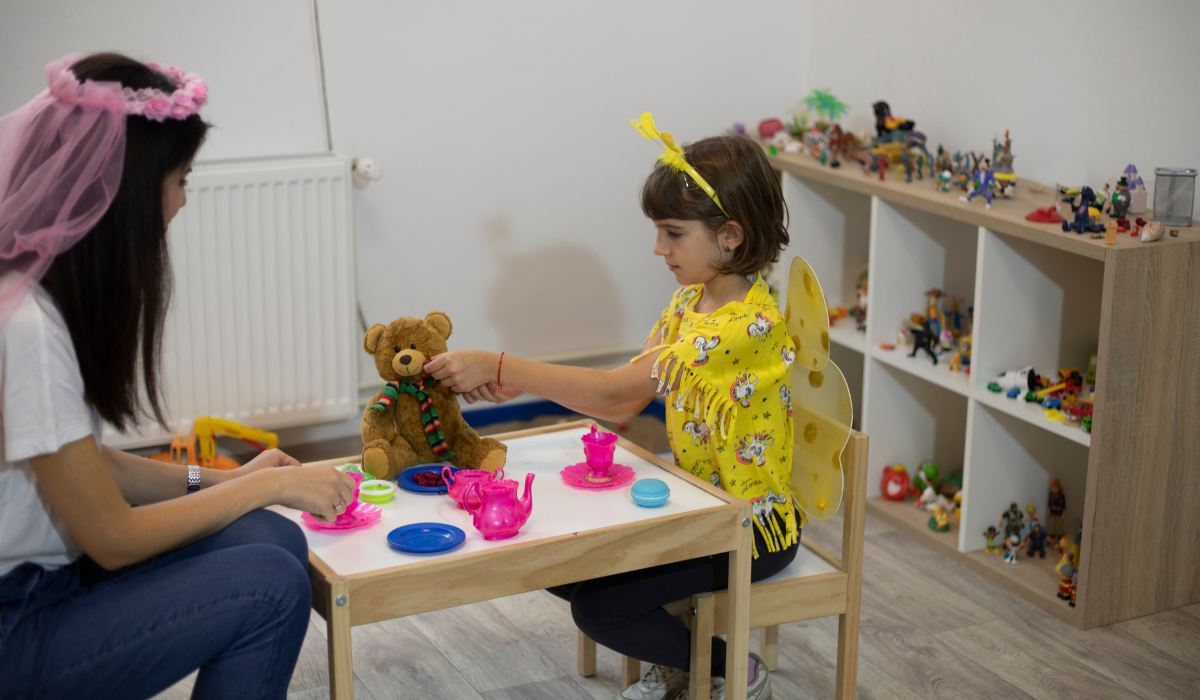
Helping children build meaningful social abilities is one of the most important goals for families seeking behavioral support. Through in-home ABA therapy, children can learn practical interaction skills in familiar environments where real-life situations naturally occur. Applied Behavior Analysis focuses on teaching behaviors step by step, making it especially effective for improving how children communicate, cooperate, and connect with others in everyday settings.
Understanding Social Challenges in Childhood
Many children struggle with skills such as taking turns, following group rules, understanding social cues, or expressing needs appropriately. These challenges can affect friendships, school success, and family relationships. Without proper guidance, children may feel frustrated or withdrawn when interactions do not go as expected.
Early intervention that targets these difficulties can make a significant difference. When skills are taught intentionally and practiced consistently, children gain confidence and become more comfortable navigating social situations at home, school, and in the community.
What Makes ABA Therapy Different
ABA therapy is based on scientific principles of learning and behavior. Instead of relying on assumptions, it uses observation, data collection, and individualized planning to guide instruction. Each child’s program is tailored to their strengths, needs, and goals.
What truly sets ABA apart is its focus on measurable progress. Skills are broken into manageable steps, taught systematically, and reinforced through positive feedback. This structured approach helps children understand expectations and learn how their actions influence outcomes.
How ABA Therapy Builds Social Foundations
At the core of ABA is the belief that complex behaviors are learned through smaller building blocks. For Social Skill Development, this means teaching basic skills first and gradually combining them into more advanced interactions.
Examples of foundational skills include:
- Making eye contact during conversation
- Responding when spoken to
- Waiting for a turn
- Following simple group instructions
As these basics become consistent, therapists introduce more complex behaviors such as initiating conversations, problem-solving with peers, and adapting behavior across different environments.
Teaching Skills in Real-Life Contexts
One reason ABA therapy is so effective is that it emphasizes practice in real situations. Skills are not limited to therapy sessions alone. Instead, children are guided to use what they learn during daily routines, playtime, and community activities.
Therapists may practice greetings during family visits, sharing during playdates, or cooperation during classroom-like activities at home. This approach helps children generalize skills so they can apply them naturally beyond therapy.
Positive Reinforcement Encourages Progress
Positive reinforcement is a key component of ABA therapy. When a child demonstrates a desired behavior, they receive meaningful encouragement, which increases the likelihood of that behavior happening again.
Reinforcement can take many forms, including verbal praise, preferred activities, or small rewards. Over time, external reinforcement is gradually reduced as children begin to experience the natural benefits of positive social interactions, such as friendship and inclusion.
This process supports long-term success and keeps children motivated to continue improving their skills.
Individualized Programs for Lasting Results
No two children are the same, which is why ABA programs are highly individualized. Therapists assess current abilities, identify areas for growth, and set realistic goals that align with family priorities.
For families receiving ABA therapy in Charles Maryland, this personalized approach ensures that therapy reflects local school expectations, community settings, and cultural values. Individualization helps children make meaningful progress that directly impacts their daily lives.
Strengthening Communication and Cooperation
Effective social interaction depends heavily on communication and cooperation. ABA therapy addresses both by teaching children how to express needs appropriately, listen to others, and respond in socially acceptable ways.
Through structured teaching and guided practice, children learn how to:
- Ask for help when needed
- Share materials with peers
- Follow group routines
- Accept feedback calmly
These skills form the foundation of Social Skill Development and support smoother interactions across various environments.
Data-Driven Adjustments Improve Outcomes
Another strength of ABA therapy is its reliance on data. Therapists regularly track progress to determine what strategies are working and where adjustments are needed.
If a child struggles with a particular skill, the approach is modified rather than repeated unchanged. This flexibility ensures that therapy remains effective and responsive to the child’s evolving needs. Families benefit from clear insights into progress and next steps.
Family Involvement Enhances Success
ABA therapy recognizes that families play a crucial role in skill development. Parents and caregivers are often trained to support goals outside of therapy sessions, creating consistency and reinforcing learning throughout the day.
When families understand the strategies being used, they can confidently guide their child through everyday interactions. This collaboration strengthens Social Skill Development and helps skills become part of daily life rather than isolated lessons.
Preparing Children for School and Community Life
Strong social skills are essential for success in school and community settings. ABA therapy helps children learn classroom behaviors such as following instructions, participating in group activities, and respecting personal boundaries.
Beyond school, these skills support participation in sports, family gatherings, and community programs. As children become more comfortable interacting with others, they gain independence and self-confidence that extends into all areas of life.
Long-Term Benefits of ABA Therapy
The impact of ABA therapy goes beyond immediate improvements. By building strong social foundations early, children are better equipped to handle new situations and challenges as they grow.
Over time, children who receive consistent support often show increased adaptability, improved relationships, and greater emotional resilience. These long-term benefits highlight why ABA remains a trusted approach for Social Skill Development.
Conclusion
ABA therapy offers a structured, personalized, and evidence-based way to help children build meaningful social abilities. By focusing on real-life practice, positive reinforcement, and family collaboration, it supports lasting growth that extends far beyond therapy sessions.
At Able Minds ABA, we know your child is capable of more, and we’re here to show you what children with autism can do. Our expert ABA therapy builds skills for a successful life.
FAQs
What is ABA therapy and why is it used to teach social skills?
ABA therapy is a research-based approach that focuses on understanding how behaviors are learned and how they can be improved over time. It is widely used to teach social skills because it breaks complex interactions into smaller, manageable steps. Children are guided through clear instruction, repeated practice, and positive reinforcement, which helps them understand expectations and respond more appropriately during social interactions. Over time, these structured lessons lead to more confident and consistent behavior in everyday situations.
How does ABA therapy support Social Skill Development in daily life?
ABA therapy supports Social Skill Development by teaching skills in environments where children naturally interact, such as the home or community. Therapists work on practical behaviors like taking turns, responding to others, and participating in group activities. These skills are practiced repeatedly during daily routines, helping children apply what they learn beyond therapy sessions. The focus on real-life practice ensures that progress is meaningful and long-lasting.
What role does positive reinforcement play in building social skills?
Positive reinforcement encourages children to repeat desired behaviors by rewarding effort and success. In ABA therapy, reinforcement may include verbal praise, access to preferred activities, or small incentives. When children experience positive outcomes after successful interactions, they become more motivated to engage socially. Over time, reinforcement is gradually reduced as children begin to recognize the natural benefits of positive social connections.
How are social skill goals chosen for each child?
Social skill goals are selected based on careful assessment, observation, and family input. Therapists evaluate current abilities and identify areas that will most improve the child’s daily experiences. Goals are realistic, measurable, and tailored to individual needs. As progress is made, goals are updated to ensure continued growth and relevance, allowing therapy to remain effective over time.
Can ABA therapy help children use social skills in different settings?
Yes, one of the strengths of ABA therapy is its emphasis on generalization. Skills are taught across multiple environments and situations so children learn how to adapt their behavior. Therapists practice skills during various activities and encourage families to reinforce them outside of sessions. This approach helps children apply social skills at home, in educational settings, and during community activities with greater confidence.
How long does it usually take to see improvements in social skills?
The timeline for progress varies depending on the child’s starting point, consistency of therapy, and family involvement. Some children begin to show noticeable changes within a few months, while others may need longer-term support. ABA therapy focuses on steady, measurable improvement rather than quick fixes, ensuring that gains are meaningful and sustainable.
Why is family involvement important in ABA therapy?
Family involvement plays a critical role in reinforcing skills learned during therapy. When parents and caregivers understand the strategies being used, they can support practice throughout the day. This consistency helps children retain skills and apply them naturally. Collaboration between therapists and families strengthens outcomes and supports long-term success.
How does ABA therapy prepare children for school and social groups?
ABA therapy helps children learn behaviors that are essential for success in structured environments. Skills such as following instructions, participating in group activities, waiting patiently, and cooperating with peers are taught and practiced. These skills support smoother transitions into school and group settings, helping children feel more comfortable and confident in social situations.
