


Starting home-based ABA therapy can feel both exciting and overwhelming for families. Many parents are eager to see their child grow, learn, and thrive, but they may not know exactly what happens during the first in-home session. Understanding what to expect from your first in-home ABA session helps families feel confident and prepared as they begin this life-changing journey.
At Able Minds ABA, we understand that every child is unique. That’s why we work with families to create personalized treatment plans that build on strengths and target specific areas of growth. To help you feel prepared, here’s a detailed look at what typically happens during the first in-home ABA session.
A Warm Introduction and Building Trust
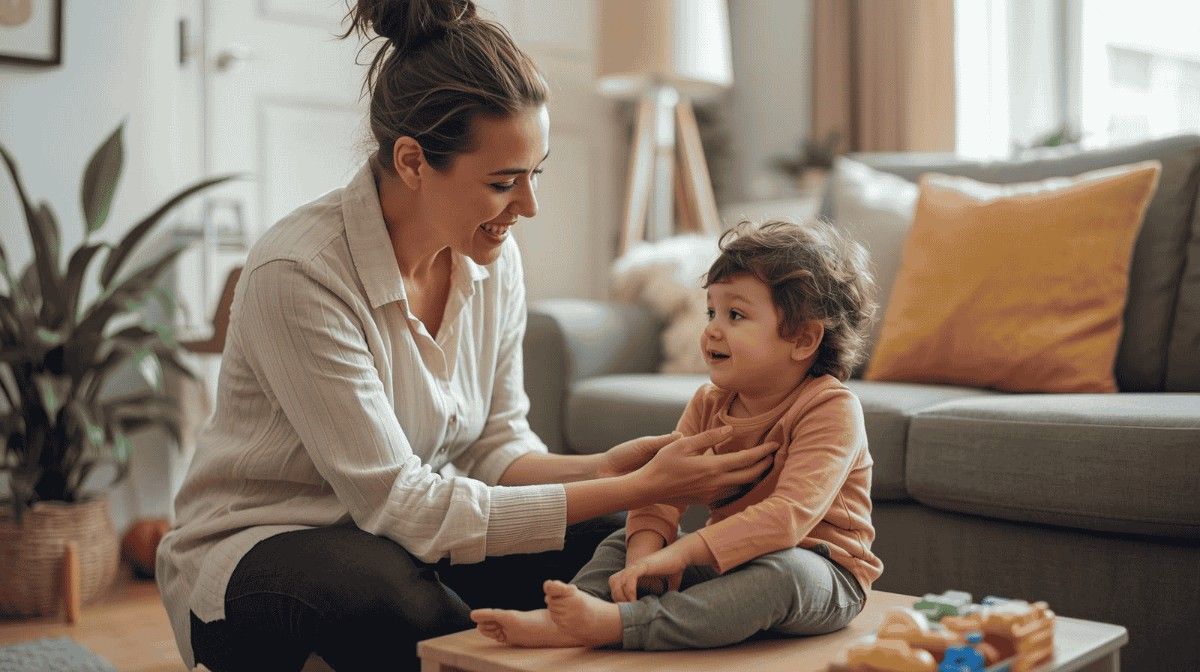
The first step of your child’s initial session is about introductions and building comfort. The applied behavior analyst therapist (often referred to as a BCBA or Board-Certified Behavior Analyst) or a trained technician will arrive at your home. They’ll spend a few minutes connecting with your child and family in a relaxed way.
Rather than jumping right into structured learning, the therapist might sit on the floor, play with toys, or engage in an activity your child enjoys. This approach builds trust and helps your child feel comfortable. Parents may notice that the therapist is carefully observing how their child interacts, communicates, and responds in their natural environment.
Parent Collaboration and Conversation
Before diving into direct therapy, therapists typically talk with parents or caregivers about expectations, goals, and daily routines. Families often share their priorities, such as communication skills, behavior challenges, or social development.
This collaboration is a cornerstone of effective therapy. The applied behavior analyst therapist uses this discussion to confirm the treatment plan and adjust strategies to fit the home environment. Parents are encouraged to ask questions and share concerns. This ensures that everyone feels aligned from day one.
Initial Observations and Assessment Activities
During the first session, the therapist may conduct informal assessments. This doesn’t look like a test—it’s more about watching how the child plays, communicates, and reacts to instructions. For example, the therapist may introduce simple tasks, ask the child to follow directions, or observe how they transition between activities.
These observations provide valuable insights into the child’s strengths, preferences, and areas for growth. Some therapists also use specific assessment tools to measure baseline skills. These benchmarks are crucial for developing measurable goals and tracking progress over time.
Introducing Simple Learning Activities
Although the first session is mostly about building rapport, therapists may begin with a few structured learning activities. These are often simple, fun, and tailored to the child’s interests. The goal isn’t perfection—it’s to introduce the child to how sessions will feel.
Activities might include:
- Following one-step instructions (like “clap your hands”).
- Practicing turn-taking games.
- Labeling common objects or actions.
- Reinforcing positive behavior with encouragement or rewards.
Every success, no matter how small, is celebrated. This positive reinforcement builds motivation for future sessions.
Parent Involvement During the Session
One unique benefit of home ABA therapy Maryland families choose is the ability to be directly involved. Parents are often invited to sit in on the session, observe, and even practice certain strategies under the therapist’s guidance.
For example, the therapist may demonstrate how to prompt a child to ask for help, and then encourage the parent to try it themselves. This hands-on coaching empowers families to continue supporting learning throughout the day.
Reviewing the Session and Next Steps
At the end of the first session, the therapist usually takes a few minutes to review what was observed and practiced. They may share insights about what worked well and outline the next steps.
Parents can expect to hear about:
- Initial impressions of the child’s strengths and needs.
- Goals that will be prioritized in upcoming sessions.
- How parents can support practice at home.
- Scheduling and consistency recommendations.
This wrap-up is also an opportunity for families to ask more questions. The therapist’s goal is to leave you feeling encouraged, informed, and excited about what lies ahead.
What Parents Can Do to Prepare
Knowing what to expect from your first in-home ABA session helps reduce uncertainty, but preparation can make the process even smoother. Here are a few tips:
- Set up a quiet space where the child can focus with minimal distractions.
- Have favorite toys or activities available for building rapport.
- Be ready to share details about daily routines, challenges, and successes.
- Stay open-minded—remember, progress takes time and consistency.
Common Myths About the First Session
Families sometimes imagine that therapy will feel like a classroom test or that their child must “perform” right away. In reality, the first in-home session is low-pressure. It’s about building trust, not achieving perfection.
Another myth is that parents must sit back quietly. In fact, therapists welcome parent participation because it strengthens consistency across therapy and daily life.
The Role of ABA Agencies and Professionals
When starting with aba agencies Maryland families often wonder who will actually deliver the sessions. Typically, a Board-Certified Behavior Analyst (BCBA) designs and oversees the treatment plan. Day-to-day sessions may be delivered by trained technicians under BCBA supervision.
These professionals, sometimes called applied behavior analyst therapists, are trained in evidence-based strategies to help children succeed. They bring patience, skill, and encouragement into every session. Families can also explore BCBA jobs near me if they are interested in the professional career path behind these services.
The Long-Term Impact of Starting Strong
Your first in-home session is just the beginning of a longer journey. While the first meeting focuses on comfort and observation, each subsequent session builds upon it. Over time, children develop communication skills, independence, and social growth that transform their daily lives.
By understanding what to expect from your first in-home ABA session, families can start this process with confidence and optimism. With the right support, children are given opportunities to reach their full potential—one step, one skill, and one session at a time.
Conclusion
Starting ABA therapy at home may feel like a big step, but it’s also an exciting opportunity to witness growth firsthand. The first session focuses on trust, collaboration, and observation, setting the foundation for meaningful progress.
At Able Minds ABA, we believe that every child can achieve more than they imagine. With expert guidance from applied behavior analyst therapists and strong parent collaboration, in-home therapy becomes a powerful tool for building a brighter future.
FAQs
How long does the first in-home ABA session usually last?
The first in-home ABA session typically lasts between 1.5 to 2 hours. This allows the applied behavior analyst therapist enough time to build rapport, observe your child’s natural behavior, and review goals with parents.
Do parents need to be present during the first ABA session?
Yes, parent involvement is highly encouraged. During the first session, the therapist will explain strategies, demonstrate techniques, and answer your questions. Your participation helps reinforce learning outside of therapy time.
What should families prepare before the first in-home ABA session?
Families should set up a quiet, comfortable space for learning, gather favorite toys or activities, and be ready to share information about daily routines and challenges. This helps the therapist personalize the session effectively.
Who conducts the first ABA session at home?
The session is usually led by a Board-Certified Behavior Analyst (BCBA) or a trained technician under BCBA supervision. These professionals are employed by trusted aba agencies Maryland and specialize in delivering home ABA therapy Maryland families rely on.
How soon will parents see progress after starting ABA therapy?
Progress depends on the child’s unique needs and consistency of sessions. While some families notice small improvements within weeks, long-term growth develops steadily with structured ABA therapy services and regular support from applied behavior analyst therapists.
Will the first ABA session feel like a classroom lesson?
No, the first in-home ABA session is relaxed and focused on building trust. The therapist often uses play-based activities to connect with your child rather than structured lessons.
How are treatment goals set after the first ABA session?
Goals are developed based on the therapist’s observations, parent input, and assessment results. A Board-Certified Behavior Analyst (BCBA) oversees the creation of personalized ABA treatment plans to guide progress.
Can ABA therapy at home fit into a family’s daily routine?
Yes, one of the strengths of home ABA therapy Maryland families choose is flexibility. Sessions are scheduled at convenient times, and strategies are integrated into everyday routines to make learning natural.
What role do ABA agencies play in therapy services?
ABA agencies Maryland provide trained professionals, supervision from BCBAs, and ongoing support to families. They ensure therapy sessions are consistent, effective, and aligned with the child’s progress.
Is ABA therapy only for young children?
No, while ABA is commonly introduced in early childhood, it can also support older children and teens. Applied behavior analyst therapists adapt strategies based on age and developmental needs.
