


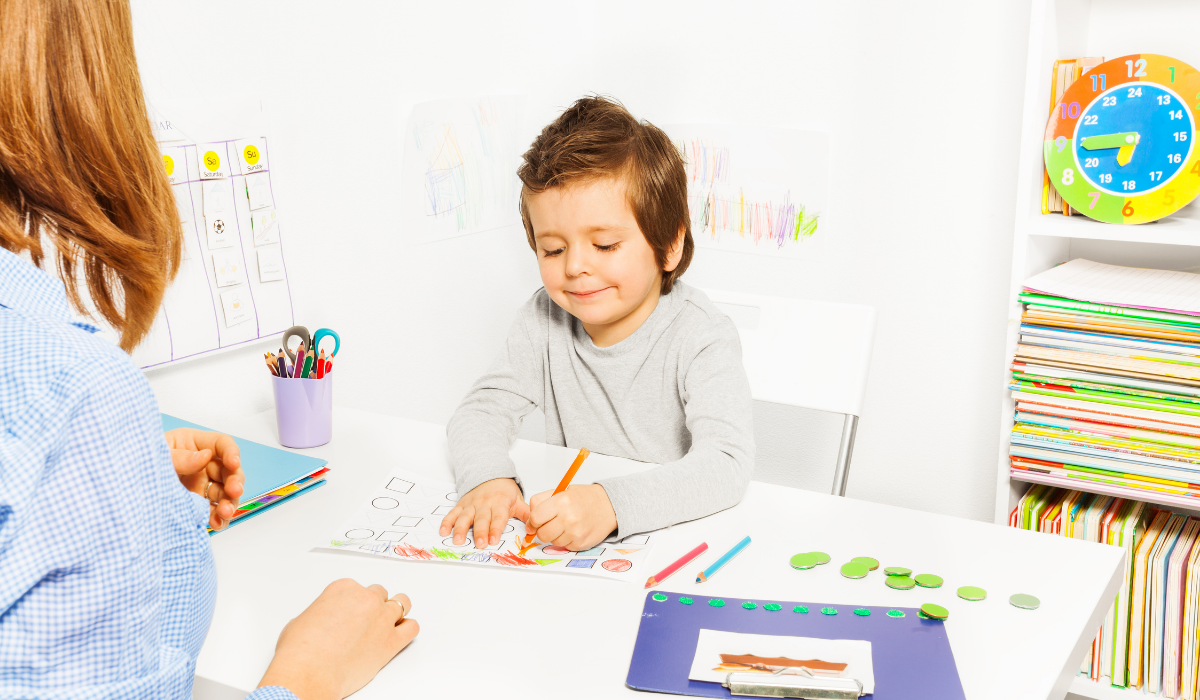
Mornings can be one of the most hectic times of day for families. Between getting dressed, eating breakfast, packing bags, and heading out the door, the pressure to stay on schedule can feel overwhelming. For children who thrive on consistency and structure, even small disruptions to the morning routine can lead to confusion, frustration, and delays. That’s where Applied Behavior Analysis (ABA) can offer helpful strategies to support smoother, more successful mornings.
In this article, we’ll explore how ABA principles can be used to build a reliable and stress-free morning routine. Whether you’re a parent, caregiver, or teacher, these strategies—especially when supported through ABA therapy at home Maryland—can help children feel confident and capable as they start their day.
Why Morning Routines Matter
A consistent morning routine sets the tone for the entire day. It promotes independence, reduces anxiety, and improves time management. For children who benefit from structure, routines provide clear expectations, allowing them to transition from home to school or other activities with less resistance.
Without a routine, children may feel rushed or unsure about what to do next. This can result in delays, power struggles, or behaviors that disrupt the flow of the morning. By using ABA techniques, we can break routines into manageable steps, reinforce positive behaviors, and gradually teach children how to navigate mornings with confidence.
Step 1: Break the Morning Down Into Manageable Steps
ABA emphasizes the importance of breaking complex tasks into smaller, teachable components. This process, known as task analysis, is a powerful way to help children understand what’s expected of them.
Example of a morning task analysis:
- Wake up
- Turn off the alarm
- Get out of bed
- Use the bathroom
- Brush teeth
- Wash face
- Get dressed
- Eat breakfast
- Put on shoes
- Grab backpack/lunch
- Head to the door
By outlining each step, children are less likely to feel overwhelmed and more likely to complete the routine independently. You can create a checklist or visual schedule to support this process.
Step 2: Use Visual Schedules
Visual schedules are a key ABA tool to help with transitions and time management. These schedules use pictures, symbols, or written words to illustrate each step of the routine. They serve as a guide that children can follow, promoting independence and reducing the need for repeated verbal instructions.
Visual schedules can be:
- Laminated picture cards on a board
- A flipbook with one step per page
- A printed list with checkboxes
Allow your child to refer to the schedule each morning. As they complete a step, they can mark it off, flip the page, or move a picture to the “done” side of the board. This process provides structure and builds a sense of accomplishment.
Step 3: Establish Predictability with Consistent Timing
ABA supports the idea that predictability improves cooperation. When children know what to expect and when, they’re more likely to respond positively.
To help mornings run smoothly:
- Wake up at the same time each day
- Set designated times for each task (e.g., breakfast at 7:30, leave the house by 8:00)
- Use timers or countdowns to signal transitions
For example, a simple kitchen timer can be set for 10 minutes to complete breakfast. You can also use visual timers or countdown apps to provide a clear cue for when it’s time to move on.
Consistency helps reduce last-minute surprises and gives children a sense of control over their morning.
Step 4: Reinforce Positive Behavior
Positive reinforcement is a central principle of ABA. It involves recognizing and rewarding desired behavior to encourage it in the future. Mornings are an ideal time to use reinforcement to motivate your child and celebrate small wins.
You can reinforce positive behaviors by:
- Giving verbal praise (“Great job brushing your teeth without reminders!”)
- Offering small rewards (a sticker, extra playtime, or choosing the breakfast cereal)
- Using a token system that builds toward a larger reward
The key is to deliver reinforcement immediately after the desired behavior. This strengthens the association between the behavior and the reward, increasing the likelihood it will happen again.
Step 5: Teach One Skill at a Time
Trying to teach several new skills at once can be overwhelming. ABA encourages focusing on one skill at a time, building mastery gradually.
If your child struggles with getting dressed, for example, focus solely on that step for a few mornings. Use prompts (verbal, physical, or visual) to guide them through the task, and then fade those prompts as they gain independence.
Once that skill is solid, move on to another—perhaps brushing teeth or packing the backpack. This gradual teaching approach builds confidence and competence.
Step 6: Use Prompting and Fading
Prompting involves providing assistance to help a child complete a task successfully. This might include:
- Verbal prompts: “Time to put on your shoes.”
- Gestural prompts: Pointing to the shoes
- Physical prompts: Hand-over-hand assistance
Start with the level of support your child needs to complete the step, then gradually reduce or fade the prompts. The goal is to shift responsibility from the adult to the child, promoting independence.
Be sure to offer praise when your child responds to a prompt or completes a step on their own. This keeps the learning process positive and encouraging.
Step 7: Prepare the Night Before
Reducing the number of decisions and tasks in the morning can make routines more manageable. Use the evening to prepare:
- Lay out clothes for the next day
- Pack the backpack and lunchbox
- Review the visual schedule
- Go to bed at a consistent time
These steps help minimize distractions and keep the morning focused on getting ready. A calm and organized evening leads to a more peaceful start the next day.
Step 8: Use First/Then Language
“First/Then” statements are an effective ABA strategy that provides clear expectations and builds motivation. For example:
- “First brush your teeth, then we’ll have breakfast.”
- “First put on your shoes, then you can choose a toy for the car.”
This approach links a non-preferred task with a preferred one, helping children stay on track while looking forward to something enjoyable. Keep the language simple and consistent.
Step 9: Limit Distractions
Minimizing distractions in the morning helps children focus on their routine. Turn off the TV, put away tablets or toys, and create a quiet, structured environment.
Set up designated areas for specific tasks:
- A bathroom area for hygiene
- A spot in the kitchen for eating
- A place by the door for putting on shoes and grabbing bags
When the environment is organized, it’s easier for children to know what to do and where to go next.
Step 10: Reflect and Adjust
Every child is different, and routines may need to be adjusted over time. Use ABA’s data-driven approach to evaluate what’s working and what’s not.
Track which steps are completed easily and which ones need more support. Ask questions like:
- Is the schedule too rushed?
- Are the visuals clear and engaging?
- Does the reinforcement system motivate my child?
Make changes gradually and involve your child in the process. Giving them a voice can increase their engagement and cooperation.
Final Thoughts
Mornings don’t have to be chaotic. With planning, consistency, and the thoughtful use of ABA strategies, families can transform morning routines into smoother, more successful experiences. Teaching routines with structure and encouragement empowers children to become more independent and confident as they begin their day.
Whether your child is just starting to learn these skills or needs extra support to stay on track, these ABA-based tools can help build habits that lead to lifelong success. With patience, reinforcement, and a positive outlook, mornings can become an opportunity—not a challenge.
About Us
At Able Minds ABA? We provide caring, effective ABA therapy to help your child thrive. Contact us today!
FAQ’s
1. How can ABA therapy help improve morning routines?
ABA therapy breaks down the morning routine into small, manageable steps, teaches each one clearly, and uses reinforcement to build consistency. This helps children follow routines with more independence and less resistance.
2. What is a visual schedule, and how does it help in the morning?
A visual schedule uses pictures or simple words to show the steps of the routine. It gives children a clear guide to follow, reduces confusion, and helps them stay on track without constant reminders.
3. What should I do if my child refuses to follow the routine?
Start by identifying which part is difficult, then use prompts and rewards to support that step. Keep routines consistent, offer praise for effort, and build success one task at a time.
4. How can I encourage my child to be more independent in the morning?
Teach one step at a time, provide simple instructions, and gradually reduce help as your child learns. Reinforce completed steps with praise or small rewards to boost confidence and independence.
5. Is it helpful to prepare the night before?
Yes. Preparing clothes, packing bags, and reviewing the schedule the night before reduces stress and confusion in the morning, helping the routine run more smoothly.
6. What is “First/Then” language, and why is it effective?
“First/Then” language sets clear expectations by linking a required task with a preferred activity. For example, “First get dressed, then you can play.” It motivates children to complete tasks by offering a simple reward structure.
7. How do I know when to reduce prompts in the routine?
Gradually reduce prompts as your child begins to complete steps independently. If they can do a task with less help and still succeed, it’s time to fade support. Continue reinforcing progress to build confidence.
