


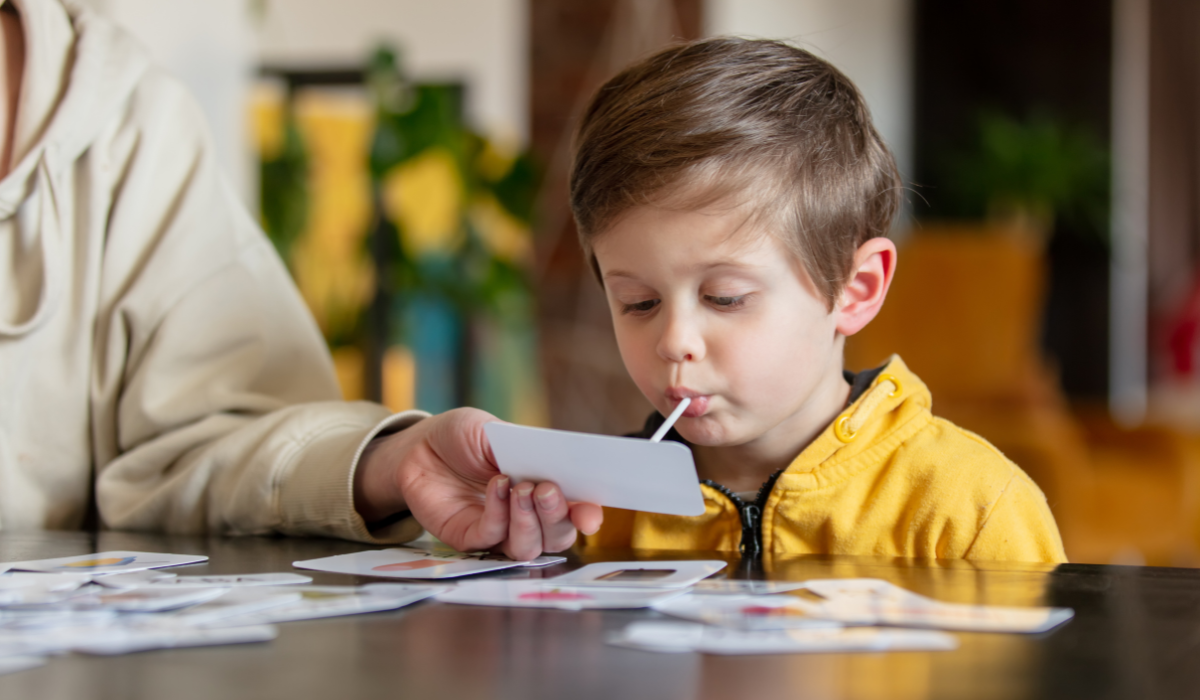
Family outings can be both exciting and challenging, especially for children who require additional support with routines, transitions, and communication. With proper planning and the right techniques, outings to parks, restaurants, or public events can become enjoyable experiences for everyone. ABA Strategies offer practical approaches that empower children and their families, making outings smoother, safer, and more fun.
At Able Minds ABA, we focus on developing these strategies in a way that integrates seamlessly with your family’s routines, helping children gain independence and confidence in social settings. This article will explore how ABA Strategies can transform family outings, provide specific tips for preparation, and share ways to reinforce positive behavior outside the home.
Understanding ABA Strategies for Family Outings
Applied Behavior Analysis (ABA) is a research-backed approach that focuses on teaching skills, reinforcing positive behavior, and reducing challenging behavior through structured interventions. When applied to family outings, ABA Strategies can help children anticipate expectations, follow routines, and engage more effectively in social environments.
Some key areas where ABA Strategies can make a difference include:
- Preparation and Planning:
- Preparing a child in advance reduces anxiety and sets clear expectations. This may include discussing the plan for the day, creating visual schedules, or practicing behaviors that might be required during the outing. For instance, practicing waiting in line at home can help children understand what to expect at a busy restaurant or amusement park.
- Reinforcement Systems:
- Positive reinforcement is central to ABA. Parents can use small rewards or praise to encourage desired behaviors during outings, such as following instructions, taking turns, or handling transitions calmly. These reinforcements can be tailored to each child’s interests and motivate them to succeed in social settings.
- Modeling and Role-Playing:
- Role-playing scenarios at home allows children to practice expected behaviors before encountering real-life situations. For example, a parent might act as a cashier to practice paying for items, or simulate interactions with peers to build social confidence.
- Data Collection and Feedback:
- Tracking behaviors during outings helps parents and therapists identify patterns, progress, and areas that need improvement. By using ABA Strategies consistently, families can adapt their approaches to meet their child’s evolving needs.
By understanding these fundamental components, parents can feel more confident in planning outings and supporting their child in public environments.
Preparing Your Child for Successful Outings
One of the most critical steps in making family outings easier is thorough preparation. Preparation involves more than just packing snacks or planning the route—it’s about equipping your child with the skills and confidence needed to navigate the environment successfully.
1. Visual Schedules and Social Stories:
Visual schedules and social stories are excellent tools to outline what will happen during the outing. For example, a visual schedule for a trip to the zoo might include pictures of entering the park, visiting specific animal exhibits, and having a snack break. Social stories describe the event step-by-step, helping children understand expectations and what is considered appropriate behavior.
2. Practice and Rehearsal:
Before the actual outing, simulate parts of the activity at home. Practice putting on shoes, waiting in line, or using polite greetings. Rehearsal builds familiarity, reduces uncertainty, and increases the likelihood of positive behaviors during the real event.
3. Gradual Exposure:
For children who are hesitant about new environments, gradually introducing them to similar experiences can reduce stress. Start with short visits to familiar places and gradually increase the duration and complexity of the outing. ABA Strategies emphasize incremental learning, ensuring that children feel comfortable and supported at each stage.
4. Clear Rules and Expectations:
Communicate rules clearly and consistently. Using simple, specific instructions helps children understand exactly what is expected. For instance, instead of saying, “Be good at the store,” say, “Hold the shopping cart handle and stay next to mom.” Consistency reinforces learning and reduces confusion.
5. Reinforcement and Motivation:
Bring preferred items, snacks, or small rewards to encourage compliance and engagement. Positive reinforcement during outings strengthens desirable behaviors and motivates children to participate in future outings.
Managing Behavior During Outings
Even with preparation, challenges may arise. The key is to anticipate potential triggers and use ABA Strategies to support your child in real-time.
1. Prompting and Guidance:
Use verbal, visual, or physical prompts to help your child follow instructions. Gradually fade prompts as the child gains independence. For example, a parent might initially guide their child’s hand to wash it at a public restroom, later transitioning to a verbal reminder.
2. Choice-Making:
Giving children opportunities to make choices enhances engagement and reduces frustration. For example, let the child choose between two snacks or decide which exhibit to visit first. ABA Strategies emphasize reinforcing positive decision-making while maintaining structure and safety.
3. Breaks and Downtime:
Schedule breaks during outings to prevent overwhelm. A short pause at a quiet spot or a favorite activity helps children regulate emotions and maintain focus throughout the day.
4. Observational Learning:
Encourage children to observe and imitate appropriate behaviors from peers or adults. Modeling polite interactions, turn-taking, and patience in public settings fosters social learning.
5. Immediate Feedback:
Provide immediate feedback to reinforce positive behaviors and correct challenges. For example, praise a child for waiting patiently in line or gently redirect them if they are off-task. Immediate feedback ensures that learning is timely and relevant.
Involving the Whole Family
Successful outings involve more than just the child—they require coordination, support, and consistency from all family members.
1. Shared Responsibility:
Assign roles for parents and siblings, such as carrying supplies, monitoring behavior, or helping with transitions. Shared responsibility reduces stress and ensures everyone is engaged in the success of the outing.
2. Consistent Language and Strategies:
Ensure all family members use consistent instructions, prompts, and reinforcement methods. Consistency reinforces learning and prevents confusion.
3. Celebrate Success:
Acknowledge achievements, no matter how small. Celebrating successes during or after outings reinforces positive experiences and builds confidence for future events.
Beyond Outings: Building Life Skills
Family outings are not just about fun—they are opportunities to build essential life skills. By implementing ABA Strategies, children can practice independence, communication, social interaction, and emotional regulation in real-world settings.
For example, learning to wait in line develops patience, practicing greetings enhances social skills, and following directions strengthens comprehension and self-control. Over time, these skills extend beyond outings, supporting academic, social, and personal success.
Partnering with ABA Professionals
At Able Minds ABA, we offer individualized support through programs like aba therapy at home Maryland, aba home therapy Maryland, and aba therapy in home Maryland. Our team of certified professionals, including those pursuing a bcba job, works with families to create practical, evidence-based strategies for real-life situations.
Working with trained ABA providers ensures that strategies are personalized to your child’s strengths, needs, and interests, making family outings more enjoyable and less stressful. Collaboration between parents and therapists enhances consistency, reinforces learning, and supports skill generalization across settings.
Key Takeaways
Family outings don’t have to be stressful. With ABA Strategies, parents can prepare children, manage behavior, and create positive, enjoyable experiences in public settings. Key points include:
- Use visual schedules, social stories, and practice routines to prepare children.
- Implement reinforcement systems to encourage positive behavior.
- Involve the whole family in planning, guidance, and celebrating success.
- Partner with ABA professionals for individualized support and strategies.
By embracing these strategies, families can transform outings into opportunities for learning, connection, and fun.
Conclusion
Using ABA Strategies can make family outings easier, more predictable, and enjoyable for both children and parents. By planning ahead, reinforcing positive behaviors, and partnering with professionals, families can foster independence, confidence, and lasting memories. At Able Minds ABA, we empower families to navigate public outings with skill, patience, and success, helping children reach their full potential.
FAQs
What are ABA Strategies and how do they help during family outings?
ABA Strategies are evidence-based techniques from Applied Behavior Analysis that teach children skills, reinforce positive behavior, and reduce challenges. During family outings, these strategies help children understand expectations, follow routines, and manage transitions smoothly.
How can I prepare my child for a public outing using ABA Strategies?
Preparation can include using visual schedules, social stories, role-playing scenarios at home, and gradually introducing similar experiences. This helps children anticipate what will happen, reduces anxiety, and encourages successful participation.
Can ABA Strategies be applied outside of therapy sessions?
Absolutely! ABA Strategies are designed to generalize learned skills to real-life situations. Techniques practiced at home or during therapy can be applied in restaurants, parks, malls, or other public places to support independence and positive behavior.
What role do reinforcement and motivation play in ABA Strategies for outings?
Positive reinforcement, such as praise, rewards, or preferred items, encourages children to engage in desired behaviors. Motivation increases compliance, helps maintain attention, and strengthens learning during family outings.
How can parents make ABA Strategies consistent during outings?
Consistency is key. Parents should use the same prompts, instructions, and reinforcement methods as used in therapy sessions. Involving all family members and setting clear expectations ensures a predictable and supportive environment.
Can ABA Strategies help manage challenging behavior in public?
Yes. ABA Strategies offer tools like prompting, choice-making, breaks, and immediate feedback to address challenging behaviors effectively, reducing stress for both children and parents.
Should I work with an ABA professional to implement these strategies?
Working with certified professionals or therapists offering aba therapy at home Maryland, aba home therapy Maryland, or aba therapy in home Maryland can help tailor strategies to your child’s needs. Collaboration ensures techniques are effective, practical, and personalized.
Are ABA Strategies suitable for every child?
ABA Strategies are adaptable to the individual needs of each child, promoting skill development, independence, and social engagement in a variety of settings, including family outings.
