


As a parent, you know when something feels “off.” Maybe your toddler isn’t making eye contact, doesn’t respond to their name, or lines up their toys for hours. You’ve heard about autism but wonder, Is this just a phase or something more?
First of all, you’re not alone—and second, your instincts matter. Spotting the early signs of autism can be life-changing because early help can significantly improve your child’s development. This is where ABA autism therapy comes into play, offering structured, evidence-based support for your little one.
In this article, let’s walk through what autism might look like in young children, how to identify red flags, and what steps to take next—fast and confidently.
What Is Autism? Let’s Clear the Basics
Autism Spectrum Disorder (ASD) is a developmental condition that affects how a person communicates, behaves, and interacts with others. The word “spectrum” is key—it means symptoms and abilities vary widely from one person to another.
Some children may talk early but struggle with social interaction, while others may be nonverbal and display repetitive behaviors. No two children with autism are alike, and that’s why early screening is essential.
Why Early Detection of Autism Matters
It’s not about “fixing” your child. It’s about supporting their growth.
When autism is identified early—typically between 18 months and 3 years—interventions like ABA autism therapy (Applied Behavior Analysis) can begin sooner. And research shows that early therapy can improve language skills, social interaction, and daily functioning in dramatic ways.
You may hear people say, “Let’s wait and see.” But waiting can delay progress. So, let’s talk about what to watch for.
Early Signs of Autism You Shouldn’t Ignore
Here are some common red flags seen in infants and toddlers. Note: Showing one or two signs doesn’t mean your child has autism—but several signs combined may indicate a need for further evaluation.
1. Limited Eye Contact
Babies usually start locking eyes with parents around 6 to 8 weeks old. If your child rarely looks at your face or avoids eye contact, it could be a sign.
2. Delayed Speech and Language Skills
By 12 months, most babies say simple words like “mama” or “dada.” If your toddler isn’t using single words by 16 months or two-word phrases by 24 months, take note.
3. Lack of Response to Name
Calling your child’s name repeatedly and getting no response? That could signal an issue, especially if they respond to other sounds or music.
4. Repetitive Behaviors
Does your child flap their hands, rock back and forth, or spin in circles? These repetitive movements are known as “stimming” and are common in kids with autism.
5. Limited Interest in Social Interaction
Most children love peek-a-boo or sharing toys. Children on the spectrum may prefer playing alone or seem unaware of others around them.
6. Intense Attachment to Routine
Even slight changes—like taking a different route home—can trigger a meltdown. This need for routine can be more rigid than simple toddler preferences.
7. Unusual Reactions to Sights, Sounds, or Textures
Some kids with autism are overly sensitive to lights, sounds, or clothing textures. Others might not react to pain or temperature the way you’d expect.
What to Do If You Notice the Signs
Now comes the most important part: what to do next.
Step 1: Document What You Observe
Keep a log of your child’s behaviors—when they happen, how often, and in what situations. This information will help professionals during evaluations.
Step 2: Talk to Your Pediatrician
Don’t wait until the next scheduled check-up. Make an appointment now. Share your concerns clearly and bring your notes.
Step 3: Request a Developmental Screening
Your pediatrician can perform basic autism screenings like the M-CHAT (Modified Checklist for Autism in Toddlers). If concerns persist, they may refer you to a developmental pediatrician, neurologist, or psychologist.
Getting Diagnosed: What the Process Looks Like
Diagnosis typically involves:
- Parental interviews
- Observations of your child
- Standardized assessments
You might hear terms like ADOS (Autism Diagnostic Observation Schedule) or Vineland Adaptive Behavior Scales. These tools help clinicians understand how your child communicates, interacts, and functions.
The Role of ABA Autism Therapy: A Lifeline for Families
So, you’ve received an autism diagnosis—or you’re on the path. What next?
That’s where ABA autism therapy shines. It’s widely recognized as one of the most effective treatments for children with autism.
What Is ABA Autism Therapy?
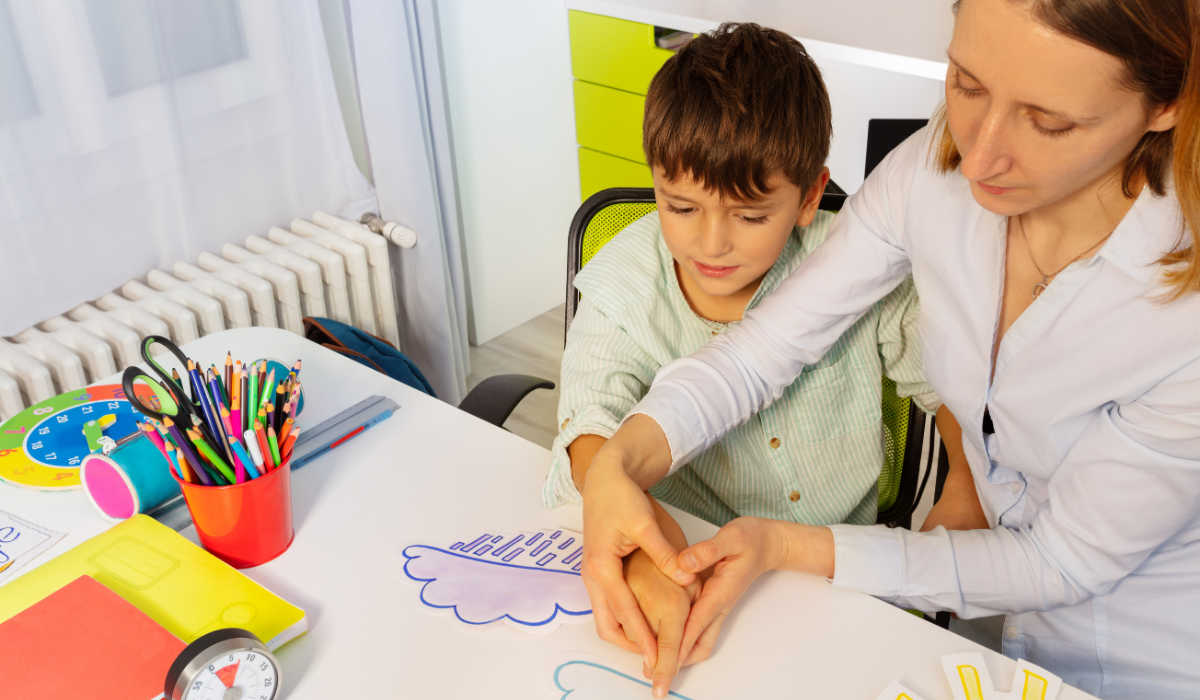
ABA stands for Applied Behavior Analysis. In simple terms, it’s a therapy that uses positive reinforcement to teach meaningful skills—like communication, social behaviors, and life skills—while reducing harmful or unhelpful behaviors.
How ABA Works
A certified ABA therapist (also called a BCBA) works one-on-one with your child. Sessions are personalized and focus on:
- Communication (verbal and non-verbal)
- Self-care tasks (like brushing teeth or potty training)
- Coping skills and reducing meltdowns
- Social interaction and play
Parents are also coached, so they can reinforce positive behaviors at home.
How soon can you start ABA autism therapy?
As soon as possible. Early intervention is one of the most effective ways to support a child with autism. In fact, ABA autism therapy can begin even before the age of 2, as long as the program is customized to meet the child’s developmental level. Starting early helps children develop communication, social, and daily living skills during critical brain development stages.
The sooner therapy begins, the more time your child has to learn, grow, and adapt through positive reinforcement and structured support. If you suspect autism or have received a diagnosis, don’t wait—talk to a qualified ABA provider to begin the process right away.
Where to Find Help Fast
When it comes to autism, early support can make a big difference. Here are some of the best ways to find ABA autism therapy quickly—and how Able Minds ABA can help you start the journey.
1. Local ABA Therapy Centers
Start by searching for “ABA autism therapy near me.” Look for providers with Board Certified Behavior Analysts (BCBAs), strong family support, and personalized care plans. At Able Minds ABA, we offer all of this and more—providing center-based and in-home therapy options that are tailored to your child’s unique needs.
2. Pediatricians and Child Psychologists
Your child’s doctor can be a great resource. Pediatricians and developmental psychologists often work closely with ABA professionals. Ask them for a referral, or let us know at Able Minds ABA, and we’ll coordinate with your healthcare team to ensure a smooth start.
3. Early Intervention Programs
If your child is under age 3, check with your state’s Early Intervention services. These programs may include free or low-cost access to ABA and related therapies. Able Minds ABA regularly partners with early intervention networks and can help guide you through the eligibility and enrollment process.
4. Online ABA Therapy
Accessing care can be a challenge, especially in remote or underserved areas. That’s why Able Minds ABA offers secure, virtual ABA therapy sessions—so your child can receive consistent support no matter where you are. Telehealth is a flexible, effective way to get started without delay.
At Able Minds ABA, we believe in meeting your child exactly where they are — whether at home, in school, or through virtual sessions. Our personalized ABA therapy services are tailored to fit your family’s unique needs, providing consistent support with compassion and care you can trust.
Ready to take the next step?
Contact us today to begin your journey toward meaningful progress and lasting change.
Supporting Your Child at Home
While you wait for therapy sessions or evaluations to begin, here are a few things you can do now:
- Create a calm environment: Reduce overstimulation by limiting noise, bright lights, or clutter.
- Use visual schedules: Pictures of daily activities can help with transitions and reduce anxiety.
- Celebrate every little success: Whether it’s making eye contact or trying a new food, praise and positive reinforcement go a long way.
- Read and learn: Books like “The Reason I Jump” or “Uniquely Human” provide real insight into the autism experience.
The Emotional Journey for Parents: It’s Okay to Feel Everything
Denial. Guilt. Fear. Hope. Relief.
It’s normal to cycle through these emotions. You might even feel overwhelmed by the number of therapy options, appointments, and the uncertainty of the future. Breathe. Take it one day at a time. Join a support group, connect with other parents, and most importantly, remember this:
Your child is not broken. They are different, not less.
And you are not alone.
Conclusion
Recognizing the early signs of autism can feel scary, but taking fast action changes everything.
With proper support—especially evidence-backed tools like ABA autism therapy—children with autism can thrive, connect, and lead meaningful lives. So don’t second-guess your gut. Seek help, ask questions, and move forward with love and confidence.
The earlier you act, the more you empower your child’s potential.
FAQ’s
What age should I look for signs of autism?
Most signs of autism appear between 12 and 24 months, though some may show as early as 6 months. These can include lack of eye contact, limited response to name, delayed speech, or repetitive behaviors. If you notice any of these, consult your pediatrician early so you can explore support options like ABA autism therapy.
Can my child outgrow autism?
Autism is a lifelong condition, but early and consistent intervention can lead to major improvements. While a child may not “outgrow” autism, therapies like ABA autism therapy help them develop essential skills and gain more independence over time.
How many hours of ABA therapy does my child need?
It depends on the child’s needs. Some do well with 10–15 hours a week, while others benefit from 20–40 hours. An ABA therapist will assess your child and create a tailored plan to help them meet specific developmental goals.
Is ABA therapy covered by insurance?
In many cases, yes. Most insurance plans now include ABA autism therapy, especially if your child has a formal autism diagnosis. Coverage may vary by state and provider, so be sure to check with your insurer and local regulations.
Can I do ABA techniques at home?
Absolutely. Many ABA programs involve parents directly and teach simple techniques to use in daily life. Practicing these strategies at home can reinforce your child’s progress and help create a more supportive routine.
