


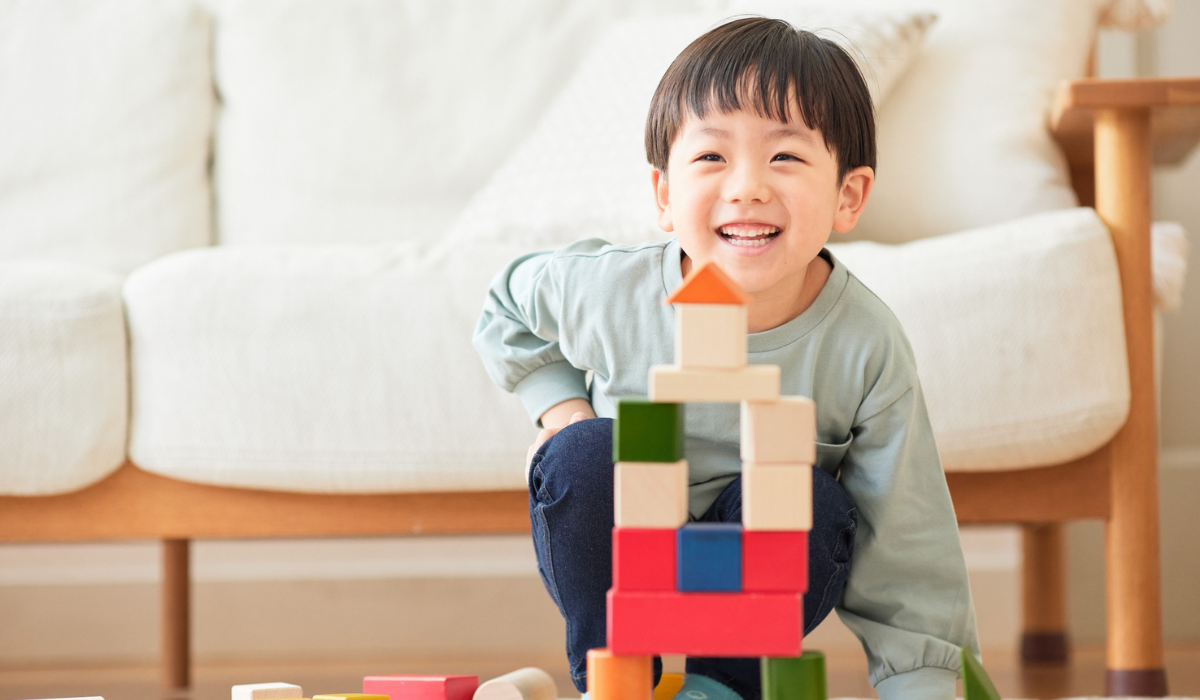
When it comes to helping children grow, learn, and communicate better, play is one of the most powerful tools we have. At Able Minds ABA, we believe that play isn’t just about fun — it’s a gateway to building essential life skills. This is why ABA therapy toys are such an important part of our programs. They turn everyday playtime into meaningful learning experiences that strengthen focus, communication, and social interaction.
In this guide, we’ll explore how ABA therapy toys work, which ones are most effective, and how they can help children achieve lasting progress at home and during therapy sessions.
What Are ABA Therapy Toys?
ABA therapy toys are carefully chosen learning tools used by behavior therapists to help children build specific developmental skills. These toys aren’t just regular playthings — they are designed or selected to encourage communication, problem-solving, attention, and social engagement.
For example:
- Puzzles and building blocks improve focus and fine motor skills.
- Pretend play sets help children understand emotions and develop social awareness.
- Cause-and-effect toys teach the concept of actions and consequences.
At Able Minds ABA, therapists select toys based on each child’s learning goals and abilities. Whether it’s working on eye contact, turn-taking, or following instructions, every toy serves a purpose in the therapy plan.
The Power of Play in ABA Therapy
Children learn best through experiences — and play is one of the most natural ways for them to absorb new information. ABA therapy toys transform lessons into engaging activities, helping children stay motivated while learning.
Play supports:
- Repetition: Toys help children practice skills multiple times without it feeling like work.
- Positive reinforcement: Every success is celebrated, keeping motivation high.
- Generalization: Skills learned through play often transfer to real-world situations.
For instance, a simple stacking game can help with patience, hand-eye coordination, and the ability to follow directions — all while the child enjoys the process.
How ABA Therapy Toys Improve Focus
Focus is one of the first areas addressed in ABA therapy, as attention is key to learning. Many children struggle to maintain attention during structured tasks, but toys make it easier to engage.
Here’s how they help:
1. Engaging the Senses: Children respond better when their senses are stimulated. Toys that make sounds, have textures, or involve movement keep their attention longer. For example, toys like spinning tops, light-up blocks encourage children to stay engaged, helping them naturally extend their focus time.
2. Structured Play Routines: Therapists at Able Minds ABA use toys within structured play routines. Each step of the play has a clear goal — stacking blocks in order, matching shapes, or sorting colors. Over time, these routines help children build patience and stay on task for longer periods.
3. Reinforcing Success: When a child completes a task successfully, positive feedback (like clapping or verbal praise) strengthens their focus. Repetition and reward make children more eager to participate in similar tasks. By consistently practicing through ABA therapy toys, children not only improve focus during sessions but also carry that skill into other daily activities like schoolwork or household routines.
Boosting Communication Through ABA Therapy Toys
Communication is another key area of development supported by ABA therapy toys. Many children receiving ABA services are still learning to express their thoughts, needs, or feelings — and toys become a bridge for that.
1. Encouraging Verbal Interaction: Simple toys such as picture cards, animal figures, or storybooks help children learn new words, name objects, and form sentences. During therapy sessions, therapists model language — for example, saying “blue car” or “big ball” — and encourage children to repeat or respond.
At Able Minds ABA, we often use turn-taking games and pretend play to teach both verbal and non-verbal communication. Children learn how to start a conversation, make eye contact, and respond appropriately — all through interactive play.
2. Teaching Requesting and Labeling: Toys help children learn to ask for what they want. For example, a child may say “I want the red block” or point to it. This process, called mand training, is an essential part of ABA therapy. It builds communication skills in a way that feels natural and rewarding.
3. Improving Comprehension: Through guided play, therapists use toys to help children understand directions and actions. For instance, “Put the car under the bridge” helps teach prepositions and improves listening skills.
Enhancing Social Skills with ABA Therapy Toys
Social interaction can be challenging for many children, but ABA therapy toys make it easier to practice these skills in a supportive environment.
1. Turn-Taking and Sharing: Games like board games, stacking towers, or puzzles teach children how to wait for their turn, share toys, and celebrate others’ successes. This builds patience and understanding — skills that are essential for group play and classroom interactions.
2. Role-Playing and Imaginative Play: Pretend kitchens, doctor kits, or dollhouses encourage children to act out real-life scenarios. This type of play helps them understand emotions, empathy, and relationships.
Therapists at Able Minds ABA often guide children through role-play sessions, helping them practice greetings, conversations, and cooperation — all in a fun, pressure-free setting.
3. Teamwork and Cooperation: When children play together, they learn how to collaborate, solve problems, and work toward a shared goal. Toys that require joint attention (like building a structure or completing a puzzle together) encourage teamwork and positive peer interaction.
Choosing the Right ABA Therapy Toys
Not every toy supports skill development the same way. At Able Minds ABA, we carefully select toys based on a child’s goals, preferences, and progress. Here’s how parents can do the same at home:
- Look for simplicity: The best ABA therapy toys are not overly complicated. Simple toys allow more interaction and teaching opportunities.
- Match your child’s interests: Children stay engaged longer when they enjoy the toy.
- Focus on skill goals: Choose toys that promote the specific skills your child is working on, such as turn-taking, matching, or following directions.
- Prioritize safety and durability: Always select age-appropriate, safe, and sturdy toys.
Popular examples include stacking cups, building blocks, magnetic tiles, and pretend play sets.
Using ABA Therapy Toys at Home
Parents play a major role in extending therapy beyond the clinic. By using ABA therapy toys at home, you can help your child reinforce what they’ve learned during sessions.
Here’s how you can make playtime more purposeful:
- Set short play sessions (10–15 minutes) focused on one skill.
- Praise small successes to build motivation.
- Use consistent language and routines from your child’s ABA sessions.
- Ask your ABA therapist for toy recommendations that match your child’s goals.
Home-based play strengthens the bond between parent and child while supporting long-term growth.
The Able Minds ABA Approach to Play and Progress
At Able Minds ABA, we combine evidence-based strategies with hands-on learning. Our therapists understand that every child learns differently, so we tailor our approach — including the choice of ABA therapy toys — to meet individual needs.
Here’s what sets us apart:
- Personalized therapy plans: Each child’s program includes specific goals supported by the right toys and activities.
- Parent collaboration: We guide parents on how to use the same toys and techniques at home.
- Progress tracking: Every milestone is measured to ensure consistent improvement.
- Comfortable environments: Whether sessions happen in-clinic or at home, we make learning enjoyable.
Our goal is to make every play session a step toward independence, confidence, and better communication.
The Lasting Impact of ABA Therapy Toys
The benefits of ABA therapy toys extend beyond playtime. They help children learn real-life skills — like focusing during class, following instructions, and forming friendships. Over time, these small improvements create lasting change.
By transforming learning into enjoyable play, ABA therapy toys open the door to greater understanding and self-expression. With the guidance of experts at Able Minds ABA, parents can continue this progress at home and watch their child’s confidence grow.
Conclusion
ABA therapy toys are more than just tools for play — they are keys to unlocking potential. They make learning enjoyable, improve attention span, strengthen communication, and encourage social growth.
At Able Minds ABA, we see the transformation every day: children who once struggled to focus now participate with enthusiasm; those who found it hard to speak now communicate with joy; and families who felt uncertain now celebrate progress together.
Play may seem simple, but with the right guidance and purpose, it becomes one of the most powerful parts of therapy.
Frequently Asked Questions (FAQs)
What are ABA therapy toys used for?
ABA therapy toys are used to help children learn communication, focus, and social skills through play. Each toy serves a learning purpose, making it easier for children to stay engaged while practicing specific behaviors.
Can I use ABA therapy toys at home without a therapist?
Yes, you can! Parents can use these toys at home to reinforce skills taught during therapy. However, guidance from professionals like those at Able Minds ABA ensures that toys are used effectively for each child’s goals.
How do ABA therapy toys help with communication?
Toys encourage children to express themselves by labeling objects, requesting items, or following instructions. This playful interaction builds vocabulary and improves both verbal and nonverbal communication.
Are ABA therapy toys expensive?
Not necessarily. Many effective ABA therapy toys are affordable and easy to find. Everyday items like blocks, puzzles, or shape sorters can serve as excellent learning tools when used correctly.
How do therapists at Able Minds ABA use toys in sessions?
Therapists at Able Minds ABA use toys strategically to make learning fun and purposeful. They select toys that align with a child’s therapy goals, ensuring each session encourages skill-building in an enjoyable way.
What should parents look for when buying ABA therapy toys?
Parents should choose toys that promote focus, turn-taking, communication, and problem-solving. Always consider the child’s interests, developmental stage, and the skills being targeted in therapy.
