


Homework and after-school routines can be challenging for children, and many parents struggle with meltdowns, resistance, or frustration during these times. These struggles are not uncommon and can affect the child’s learning, family dynamics, and overall confidence. Fortunately, ABA Therapy at home offers structured strategies that help children develop consistent routines, manage emotions, and build independence.
At Able Minds ABA, our approach to ABA Therapy is tailored to each child’s strengths and challenges, ensuring that interventions are meaningful, practical, and long-lasting.
Understanding Homework Challenges in Children
Homework time often presents a unique set of challenges for children. Some may struggle with attention, following directions, or understanding instructions. Others may experience frustration if they cannot complete a task independently. These struggles can quickly escalate into after-school meltdowns, impacting not only the child’s emotional state but also the family’s evening routine.
ABA Therapy focuses on identifying the root causes of homework difficulties. By analyzing behavior, therapists can determine which skills need support and which routines can be adjusted for success. For example, children may benefit from structured visual schedules, step-by-step instructions, or positive reinforcement strategies to stay motivated and engaged.
How ABA Therapy Supports Homework Routines
One of the key benefits of ABA Therapy is its emphasis on structure and consistency. Homework routines can be overwhelming for children without clear guidance, but ABA provides practical tools to create predictable, manageable schedules.
1. Creating Structured Homework Schedules
ABA programs often begin with establishing a clear homework routine. This might include:
- Designating a specific homework space free from distractions
- Breaking assignments into smaller, manageable steps
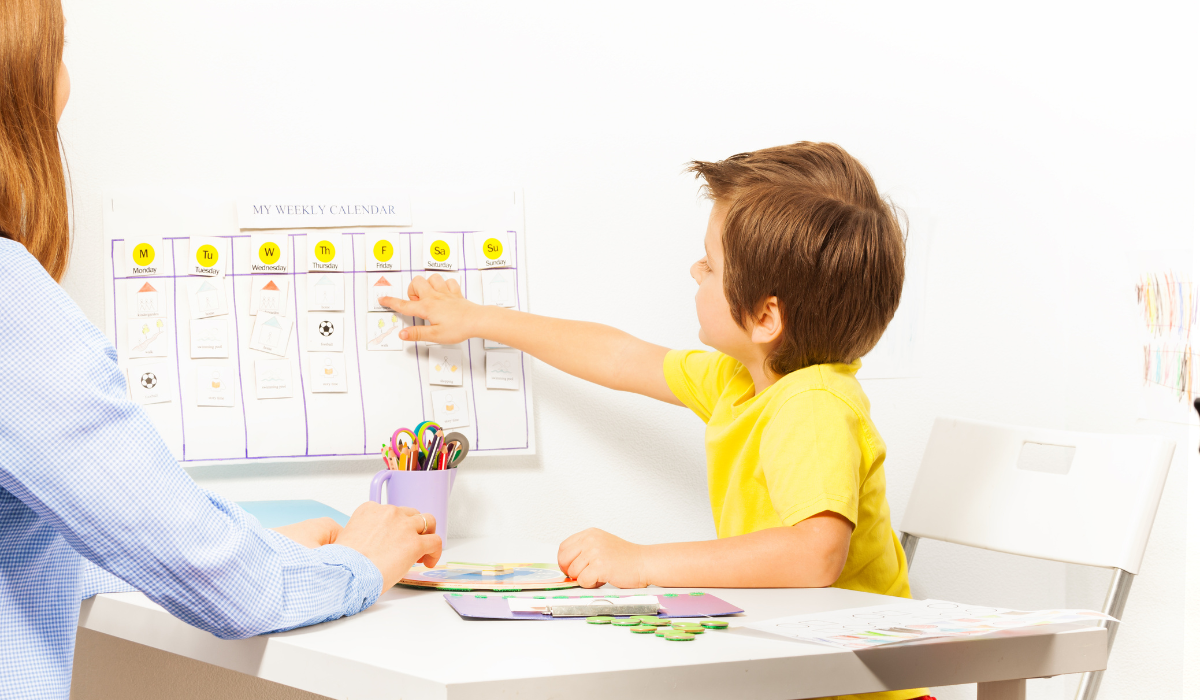
- Using visual schedules or checklists to guide tasks
By creating a predictable environment, children feel more confident and are less likely to resist completing homework. Positive reinforcement, such as praise or small rewards, encourages children to stay on task and develop a sense of accomplishment.
2. Teaching Independent Skills
Another core component of ABA Therapy is teaching children to complete tasks independently. For homework, this may involve:
- Modeling how to approach a problem step-by-step
- Prompting only as needed, gradually reducing support
- Reinforcing correct behaviors and celebrating progress
Over time, children gain autonomy and develop essential organizational and problem-solving skills. This not only improves homework performance but also boosts self-esteem.
3. Reducing Frustration and Avoidance
Children often avoid homework or become upset when they feel frustrated or unsure. ABA strategies help by:
- Identifying triggers for frustration or meltdowns
- Implementing coping strategies, such as deep breathing or scheduled breaks
- Reinforcing calm behavior and persistence
By addressing emotional regulation, children are less likely to have disruptive after-school meltdowns and more likely to engage positively with homework.
Managing After-School Meltdowns with ABA Therapy
After-school meltdowns are common, particularly when a child transitions from structured school activities to less structured home environments. These meltdowns may manifest as tantrums, withdrawal, or refusals to participate in family routines.
1. Understanding Triggers
ABA therapy begins with careful observation to identify what triggers meltdowns. These may include:
- Fatigue after a long school day
- Difficulty with homework or chores
- Transitions between activities
Once triggers are identified, therapists can design interventions that address the root cause rather than simply reacting to behavior.
2. Teaching Coping and Communication Skills
A significant component of ABA Therapy is helping children communicate their needs effectively and cope with frustration. For example:
- Teaching children to request breaks or help when needed
- Using visual tools or communication boards to express emotions
- Reinforcing positive ways of managing upset feelings
By learning to communicate and regulate emotions, children experience fewer intense meltdowns, making after-school routines smoother for the whole family.
3. Implementing Positive Reinforcement
Positive reinforcement is a cornerstone of ABA strategies. Children are encouraged to engage in desired behaviors by receiving consistent rewards, which may include:
- Verbal praise for completing homework independently
- Extra playtime after finishing tasks
- Stickers, tokens, or small tangible rewards
Over time, children associate positive behaviors with rewarding outcomes, reducing resistance and improving compliance with homework and routines.
Benefits of ABA Therapy at Home
Families in Maryland have access to personalized services such as aba therapy at home Maryland or aba home therapy Maryland. These in-home programs offer several advantages:
- Personalized interventions tailored to the child’s environment
- Opportunities for practicing skills in real-life situations
- Increased parent involvement and training for consistency
In-home ABA therapy allows children to practice homework routines and coping strategies in a familiar, comfortable setting. This approach also provides parents with practical tools and guidance to reinforce skills throughout daily life.
The Role of BCBAs in Supporting Homework and Emotional Skills
Board Certified Behavior Analysts (BCBAs) play a vital role in designing and overseeing ABA programs. A bcba job involves:
- Conducting assessments to identify behavioral and learning needs
- Developing individualized treatment plans for homework and after-school routines
- Training parents and caregivers to implement ABA strategies effectively
By working closely with families, BCBAs ensure that children receive consistent support both at home and during therapy sessions.
Integrating ABA Therapy with School Support
Collaboration between home and school is essential for consistent skill development. ABA programs often encourage communication with teachers to:
- Align homework strategies with classroom expectations
- Track progress and share effective techniques
- Support children during transitions between school and home
When ABA therapy is integrated with educational support, children experience fewer struggles with homework and after-school routines, making daily life more manageable for families.
Practical Tips for Parents
Parents can support ABA strategies and reduce homework-related meltdowns by:
- Establishing consistent routines and schedules
- Breaking tasks into small, manageable steps
- Using visual cues and checklists to guide activities
- Reinforcing positive behaviors with praise or rewards
- Collaborating with therapists to maintain consistency across settings
By following these tips, parents create an environment that encourages skill development, emotional regulation, and independence.
Conclusion
Homework routines and after-school meltdowns can be a source of stress for families, but ABA Therapy provides effective tools and strategies to address these challenges. Through structured routines, skill-building, and positive reinforcement, children learn to manage tasks independently, communicate their needs, and regulate emotions.
Whether through aba therapy in home Maryland or guided support from a bcba job, children develop essential skills that extend beyond homework, improving daily life and family harmony. At Able Minds ABA, we’re committed to helping children thrive by building the tools they need for a successful and confident life.
FAQs
What is ABA Therapy, and how can it help with homework?
ABA Therapy, or Applied Behavior Analysis, uses evidence-based strategies to teach children skills, manage behaviors, and build independence. It can help with homework by creating structured routines, teaching step-by-step problem-solving, and reinforcing positive behaviors.
Can ABA Therapy reduce after-school meltdowns?
Yes. ABA Therapy helps children identify triggers, learn coping skills, and communicate needs effectively. These strategies significantly reduce the frequency and intensity of after-school meltdowns.
How does ABA Therapy work at home in Maryland?
In-home ABA therapy Maryland programs bring therapy into the child’s familiar environment. Therapists design routines that fit daily schedules, provide personalized support, and train parents to reinforce skills consistently.
What are the benefits of ABA home therapy in Maryland?
ABA home therapy Maryland offers personalized attention, real-life skill practice, flexible scheduling, and increased parent involvement, all of which support smoother homework routines and emotional regulation.
Who provides ABA Therapy services at home?
ABA Therapy is provided by trained therapists under the supervision of a BCBA (Board Certified Behavior Analyst). The BCBA oversees assessments, creates individualized plans, and ensures interventions are effective.
How does ABA Therapy help children manage frustration with homework?
ABA strategies teach children to break tasks into manageable steps, use visual aids, request help when needed, and receive positive reinforcement. This reduces frustration and increases motivation to complete homework.
Can ABA Therapy support transitions between school and home routines?
Yes. ABA Therapy helps children adjust to transitions by establishing predictable routines, practicing coping skills, and reinforcing positive behaviors, making the shift from school to home smoother.
How do parents participate in ABA Therapy for homework routines?
Parents are trained to implement strategies, use visual schedules, reinforce positive behavior, and collaborate with therapists to maintain consistency between sessions and daily life.
Is ABA Therapy suitable for all children struggling with homework routines?
ABA Therapy is highly individualized, so it can be adapted for children with varying needs, learning styles, and challenges to help them improve homework performance and emotional regulation.
How can I find qualified ABA providers in Maryland?
You can search for certified ABA providers through organizations like Able Minds ABA or contact local BCBAs to discuss in-home ABA therapy Maryland options that fit your child’s needs.
How long does it take for ABA Therapy to improve homework routines?
The timeline varies depending on the child’s needs and consistency of therapy. With regular sessions and parent involvement, many children show noticeable improvements in homework engagement and emotional regulation within a few months.
Can ABA Therapy help with multiple after-school challenges at once?
Yes. ABA Therapy addresses a range of behaviors and skills simultaneously, including homework routines, emotional regulation, communication, and independence, creating smoother after-school transitions and reducing overall stress for the family.
