


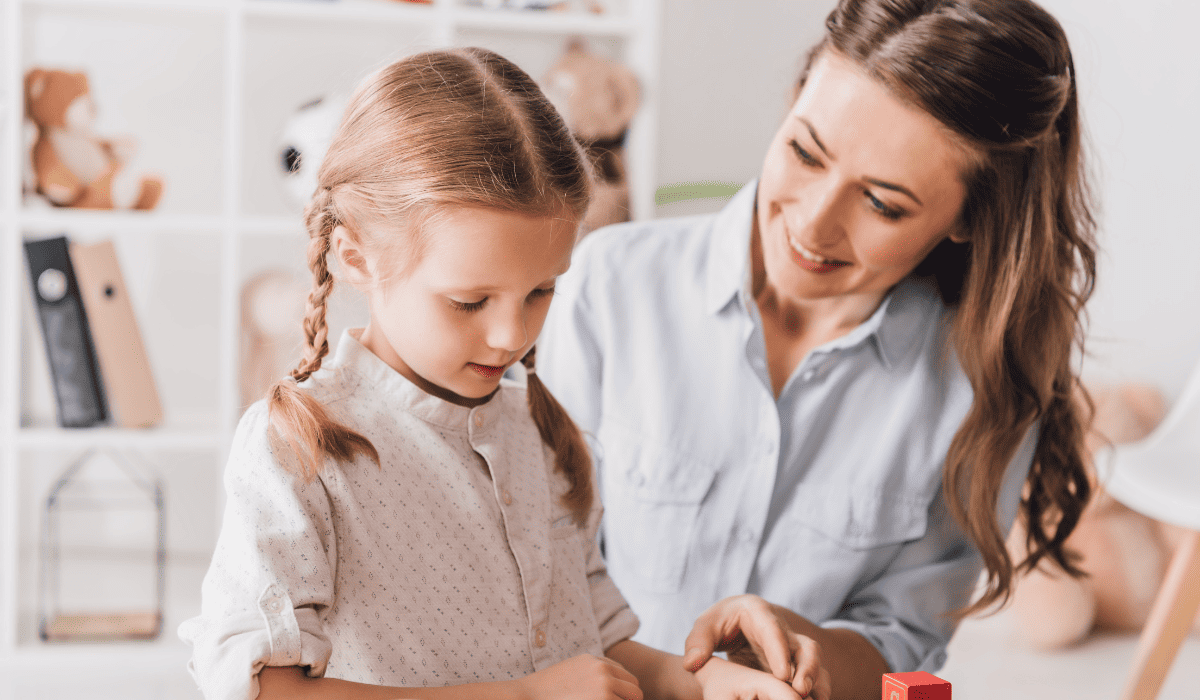
Managing anger is an important life skill for every child, but it can be especially challenging for Children With Autism. When emotions run high, they may struggle to express how they feel, understand what triggered the reaction, or calm themselves down. This is where Applied Behavior Analysis (ABA) becomes a powerful tool. Families searching for effective support often look for structured and research-backed options, which is why many turn to aba services to guide emotional and behavioral growth.
ABA uses proven techniques to help kids understand emotions, practice calming behaviors, and build stronger communication. When taught the right way, children learn how to express themselves safely, handle stress better, and build confidence in everyday situations.
Below is a detailed look at How ABA Therapy Helps Children With Autism Manage Anger Safely, the strategies used, and why it works so well for long-term development.
Understanding Anger in Children With Autism
Children experience anger for many different reasons, but Children With Autism may have a harder time managing these feelings because they often face challenges with communication, changes in routine, frustration tolerance, and emotional understanding.
Anger may appear as crying, shouting, aggression, withdrawal, or difficulty completing tasks. While these reactions can feel overwhelming for families, ABA provides a structured way to understand why the behavior is happening and how to respond to it productively.
ABA focuses on breaking down complex emotional processes into clear, teachable steps. By doing so, children learn to identify their feelings, express needs, and use positive actions instead of reacting impulsively.
Why ABA Therapy Works for Anger Management
ABA focuses on understanding how behavior works, why it happens, and how to shape it into something positive. This approach helps Children With Autism learn the skills they need to manage anger safely and confidently.
Here are key reasons ABA is effective:
1. ABA Identifies the Root Cause of Anger
Behavior analysts study triggers, patterns, and responses to understand what is causing frustration. This may include communication challenges, task difficulty, denied access to a preferred activity, or unexpected changes.
Once triggers are identified, therapists design strategies to help children navigate these situations calmly.
2. ABA Teaches Communication Skills
Many children react with anger when they cannot find the right words to express what they want or need. ABA teaches communication through words, gestures, pictures, or devices so they can express themselves clearly.
When a child learns to ask for help or request a break, their frustration naturally decreases.
3. ABA Teaches Replacement Behaviors
Instead of expressing anger through aggression or refusal, children learn new, safer alternatives. These may include:
- Raising a hand for help
- Requesting a break
- Using calm-down tools
- Asking for clarification
- Practicing coping strategies
Teaching replacement behaviors gives children the confidence to choose positive actions.
4. ABA Reinforces Positive Behavior
Positive reinforcement is one of the strongest tools in ABA. When children choose a safe and calm behavior, they receive encouragement, praise, rewards, or access to preferred activities. Over time, these positive choices become habits.
5. ABA Creates Emotion Regulation Skills
Through step-by-step learning, children practice:
- Identifying emotions
- Responding to feelings the right way
- Understanding their body’s reactions
- Practicing calm-down routines
These skills help them manage anger in real life, both at home and in school.
Strategies ABA Uses to Help Children Manage Anger
Therapists use a combination of structured strategies to help Children With Autism improve emotional control. Each plan is personalized to match the child’s needs and strengths.
Here are some of the most effective ABA strategies:
1. Functional Behavior Assessment (FBA)
An FBA helps identify why anger occurs. Therapists observe behavior, examine patterns, and create a plan based on each child’s emotional triggers.
2. Visual Behavior Plans
Children benefit from clear and consistent expectations. Behavior plans often include:
- Step-by-step routines
- Visual reminders
- Rules for expressing feelings
- Calm-down steps
These tools help children remember what to do when anger rises.
3. Emotional Labeling
Therapists teach children how to identify their feelings by naming them. When kids can label emotions like “mad,” “upset,” or “frustrated,” they gain better control over their reactions.
4. Teaching Break Requests
Learning to request a break can significantly reduce anger episodes. ABA helps children practice:
- Asking for a break politely
- Going to a calm space
- Rejoining activities when ready
This prevents emotional overload and builds self-regulation.
5. Teaching Problem-Solving Skills
Children learn to ask:
- What is wrong?
- What do I need?
- What can I do?
Therapists guide them through step-by-step solutions, helping them replace anger with constructive thinking.
6. Reinforcement Systems
Reward charts, token boards, and praise help encourage positive choices and reduce negative behaviors over time.
7. Parent Training
Family participation is essential. ABA provides parents with strategies to support emotional growth at home, ensuring children receive consistent guidance.
How Families Benefit from ABA Anger-Management Support
Managing anger at home can be stressful for parents, especially when outbursts become frequent. ABA gives families the tools to respond calmly, prevent escalation, and support long-term growth.
Key benefits include:
- More peaceful daily routines
- Improved communication
- Fewer power struggles
- Increased confidence in handling challenges
- Stronger child–family relationships
Because of these benefits, many families choose programs like aba maryland, aba therapy in maryland, or other top rated aba therapy options to ensure their child receives high-quality support.
Real-Life Growth Through ABA
When children begin ABA anger-management programs, their progress is often steady and long-lasting. They start by learning simple steps like asking for help or identifying emotions. Over time, they build up to more advanced skills such as handling disappointment, waiting calmly, or transitioning between activities.
These improvements help them succeed in school, at home, and in social situations.
Here are examples of real-life progress children often achieve:
- Reduced aggressive reactions
- Increased independence
- Better emotional communication
- Improved cooperation with routines
- Stronger problem-solving skills
ABA does not just reduce anger—it builds the foundation for confidence, emotional maturity, and lifelong success.
The Long-Term Impact of ABA for Emotional Development
ABA teaches practical skills children can use throughout life. When Children With Autism learn to manage anger safely, they also gain:
- Better self-awareness
- Stronger decision-making skills
- Improved relationships with peers
- Confidence in new situations
- A sense of control over emotions
These are skills they will rely on in school, the workplace, and adulthood.
ABA is most effective when it is consistent, individualized, and supported by families and trained professionals. With the right guidance, children can make exceptional progress.
Conclusion
How ABA Therapy Helps Children With Autism Manage Anger Safely by teaching communication, understanding emotional triggers, reinforcing positive behavior, and empowering children with practical coping tools. With compassion, structure, and personalized strategies, ABA gives children the confidence and skills they need to navigate frustration and express themselves safely.
At Able Minds ABA, we know your child is capable of more, and we’re here to show you what children with autism can do. Our expert ABA therapy builds skills for a successful life.
FAQs
How does ABA therapy help children manage anger safely?
ABA therapy teaches children how to understand their emotions, identify triggers, and use safe replacement behaviors. Instead of reacting with aggression or frustration, children learn how to communicate their needs, request help, and practice calming techniques in real-life situations.
What triggers anger in children, and how does ABA identify them?
ABA therapists conduct a detailed assessment to understand what leads to anger, such as communication challenges, difficulty with tasks, or unexpected changes. By identifying the root cause, therapists design strategies that help children respond calmly and predictably.
Can ABA therapy improve communication to reduce anger?
Yes. Many children express anger when they cannot communicate what they want or how they feel. ABA builds communication skills—through words, gestures, or alternative communication methods—so children can express themselves clearly instead of reacting emotionally.
What replacement behaviors does ABA teach for anger control?
Children are taught positive alternatives such as asking for a break, requesting help, using words to express feelings, or practicing calm-down routines. These behaviors replace unsafe reactions and help them manage frustration more effectively.
How does ABA reinforcement help with anger management?
Reinforcement encourages children to choose positive behaviors. When they use calm actions, communicate effectively, or follow routines, they receive praise or rewards, which strengthens those helpful habits over time.
Can ABA therapy help reduce anger at home and in school?
Yes. ABA strategies are designed to be used across different environments. Parents and teachers receive guidance so children experience consistent support, which significantly reduces anger episodes in both home and school settings.
How long does it take to see progress in anger management through ABA?
Progress varies for each child depending on their needs, consistency, and the intensity of therapy. Many families begin noticing improvements within a few weeks as children learn communication, coping strategies, and structured routines.
Do parents play a role in ABA anger-management programs?
Absolutely. Parent involvement is essential for long-term success. ABA therapists coach families on how to respond to anger safely, reinforce positive behaviors, and support emotional growth using the same techniques practiced in therapy.
Is ABA effective for children who have frequent outbursts or aggression?
Yes. ABA is one of the most effective approaches for managing challenging behaviors. By understanding triggers and teaching new skills, ABA helps children replace aggressive reactions with safer, more positive behaviors.
Can ABA therapy support long-term emotional development?
Definitely. ABA teaches children how to manage emotions, make decisions, express needs, and build self-control. These skills continue to help them throughout school, social settings, and into adulthood.
