


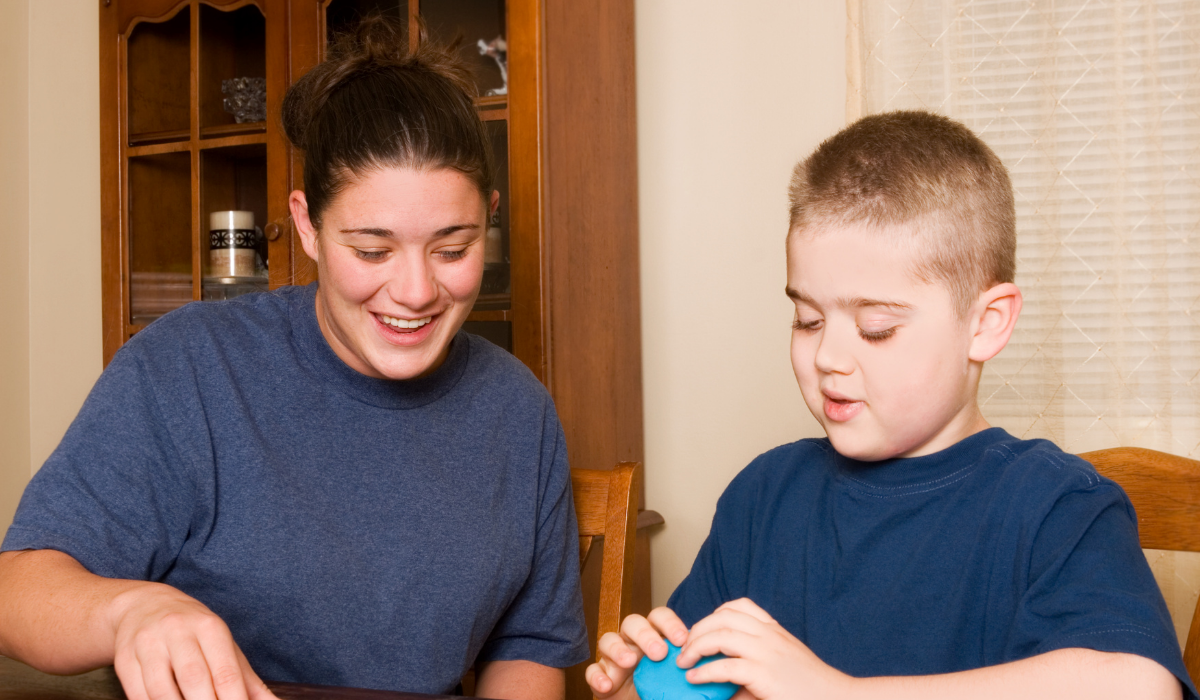
Children with autism may struggle with daily tasks like brushing teeth, dressing, or making simple meals. With structured guidance and support, these skills can be learned. ABA in home therapy is a proven method that helps children build independence by teaching essential communication, social, and self-help skills right in their familiar home environment. Starting early can make a big difference in long-term success.
Why Everyday Life Skills Matter for Kids with Autism
Everyday life skills—or adaptive skills—are the basic tasks we perform daily to take care of ourselves and interact with the world. For children with autism, these tasks can feel overwhelming due to sensory sensitivities, difficulties with communication, or challenges in understanding social cues.
However, the goal of ABA isn’t just academic learning. It’s about helping children become as independent as possible in their daily lives—whether that means learning how to dress themselves, follow a morning routine, or ask for help when needed.
What Is ABA in Home Therapy?
ABA in home therapy brings behavior-based learning directly into your child’s natural environment. Instead of working in a clinic or school setting, a trained ABA therapist comes to your home and designs a personalized plan that focuses on your child’s individual goals.
This approach makes the learning process more relevant and effective because:
- Children feel more comfortable in their familiar surroundings.
- Parents and caregivers can be actively involved in the therapy.
- Skills are taught exactly where they’ll be used—in the kitchen, bathroom, bedroom, or backyard.
How ABA Therapy Teaches Everyday Life Skills
ABA therapy uses evidence-based techniques like prompting, reinforcement, and task analysis to break down complex behaviors into smaller, teachable steps. Over time, with repetition and encouragement, children learn to perform these skills independently.
Let’s look at a few examples of how ABA in home therapy helps develop life skills:
1. Personal Hygiene
Many children with autism struggle with hygiene routines due to sensory sensitivities (such as disliking the feeling of water or toothpaste) or difficulty understanding the importance of these habits.
In-home ABA therapists work on:
- Brushing teeth step by step
- Washing hands after using the bathroom
- Bathing and grooming routines
- Using the toilet independently
By turning these tasks into structured routines with visual aids and reinforcement, children learn to complete them with more ease and consistency.
2. Getting Dressed
Choosing and putting on clothes can be challenging for a child with autism, especially when dealing with buttons, zippers, or scratchy fabrics. ABA breaks the dressing process into small steps and teaches each part until the child becomes comfortable.
Therapists may use:
- Visual schedules showing the order of dressing
- Practice with different clothing types
- Reinforcement for trying new textures or styles
3. Eating and Mealtime Skills
Children may struggle with sitting at the table, using utensils, or trying new foods. ABA therapy focuses on:
- Teaching utensil use
- Encouraging healthy food choices
- Reducing food aversions
- Following mealtime rules and routines
With ABA in home therapy, these skills are practiced during actual mealtimes, which enhances generalization and comfort.
4. Household Chores and Responsibility
Simple chores like cleaning up toys, setting the table, or feeding a pet help build responsibility and confidence.
ABA therapists guide children in:
- Following multi-step directions
- Completing chores with visual support
- Accepting responsibility for tasks
These tasks build structure, patience, and a sense of achievement.
5. Communication and Asking for Help
Being able to communicate needs—like saying “I’m hungry” or “I need a break”—is a huge part of life skills. ABA therapy strengthens both verbal and non-verbal communication by:
- Using picture exchange systems (PECS)
- Encouraging speech or sign language
- Teaching children how to advocate for themselves
Home-based sessions help generalize these communication skills where the child needs them most.
Why the Home Environment Makes a Difference
One of the biggest advantages of ABA in home therapy is the natural setting. Children often learn more effectively when the lessons are relevant and consistent with their daily routines.
For example, instead of pretending to wash hands in a therapy room, your child practices at their actual sink. Instead of rehearsing meal behavior at a table in a clinic, they do it at your family dining table.
This helps with:
- Faster skill generalization
- Better transfer of skills to daily life
- Reduced anxiety due to familiar surroundings
- Active parent participation in the learning process
The Role of Parents and Caregivers
You’re not just a bystander in your child’s progress—you’re a key player. One of the core principles of ABA in home therapy is parent involvement. Therapists often teach caregivers how to use the same techniques, ensuring consistency when the therapist is not present.
You’ll learn how to prompt your child gently, how to reward positive behaviors, and how to track progress toward goals.
This collaboration empowers you and gives your child more opportunities to practice and succeed.
Consistency Is the Key
ABA isn’t a quick fix—but it is a proven one. The most progress happens with consistent sessions, patient guidance, and reinforcement over time.
Even small steps, like washing hands without prompting or putting away their shoes, are victories worth celebrating. Each skill mastered lays the foundation for future independence.
Final Thoughts
Every child learns at their own pace. What’s important is creating a plan that meets your child where they are and helps them build toward greater independence.
With ABA in home therapy, children with autism can develop the life skills they need to succeed—not just today, but for years to come. From basic hygiene to communication and daily routines, ABA helps unlock your child’s potential right in the heart of your home.
FAQ’s
What is the difference between in-home ABA therapy and center-based therapy?
In-home ABA therapy takes place in the child’s natural environment, allowing for real-world learning and greater family involvement. Center-based therapy happens in a clinical setting with more structured sessions.
At what age should ABA therapy begin?
The earlier, the better. Many children start ABA therapy between ages 2 and 5, but it can be beneficial at any age—even for teens.
How often should in-home ABA sessions take place?
It varies by child, but most programs recommend 10–40 hours per week depending on goals, availability, and individual needs.
Does insurance cover ABA in home therapy?
Many insurance providers cover ABA therapy, including home-based services. It’s best to check with your insurance provider and the ABA agency.
Can I be involved in my child’s ABA sessions at home?
Absolutely. In fact, parental involvement is highly encouraged. Therapists often train parents to reinforce strategies between sessions for better results.
