


When I walk into school, sometimes I feel a little nervous. I wonder if kids will notice that I do things differently. My parents tell me that everyone is unique, but it still feels hard when someone laughs or says something mean. That’s why I’m learning new ways to be confident through something called ABA Strategies.
My family found support through services like best in home aba therapy Maryland, where experts visit and guide us on how to practice skills every day. These sessions help me feel strong enough to handle tough moments, especially when I face teasing or bullying. Parents like mine also get tools to support their children, which makes a big difference.
Understanding Bullying from My Eyes
Bullying isn’t just name-calling. Sometimes it’s when kids leave me out of games, whisper about me, or make me feel like I don’t belong. I don’t always know how to respond. I may feel like hiding, or I might even cry when I get home.
But with the right support, I’ve started to learn that I don’t have to stay quiet or feel powerless. Parents often worry when they see their child sad after school, but there is hope. Together, we can use ABA Strategies that teach kids like me how to be confident, speak up, and build friendships that matter.
Why Confidence Matters
Confidence is like my invisible shield. When I feel strong about who I am, mean words don’t hurt as much. My parents and therapists say confidence helps in three big ways:
- I can make friends more easily.
- I can tell others how I feel.
- I can ask for help when I need it.
That’s why building confidence through structured support is important. When I learn step by step with ABA Strategies, it feels easier to try new things, join activities, and stand tall even when someone tries to bring me down.
How ABA Strategies Teach Us to Handle Bullying
Parents may wonder how this works. For me, learning doesn’t happen all at once. It takes small steps, practice, and encouragement. That’s where ABA Strategies come in. Here are some ways they’ve helped me:
1. Practicing Social Skills
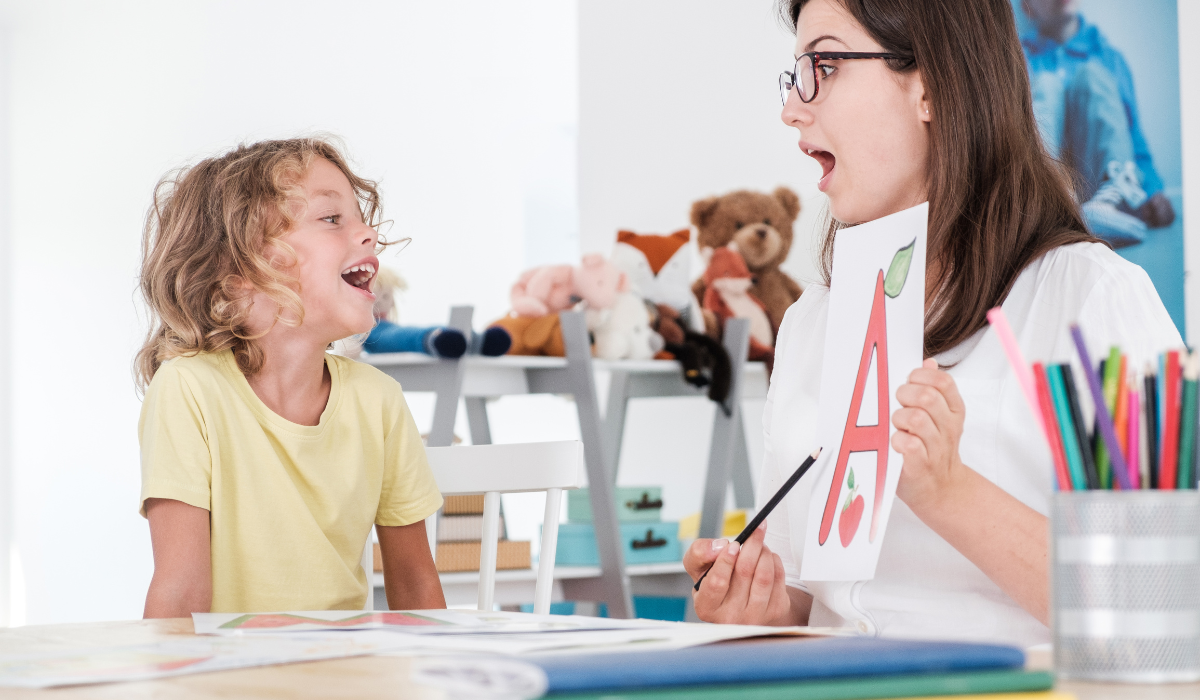
We practice role-playing at home and during therapy sessions. My therapist pretends to say something mean, and I practice how to respond. Sometimes I say, “Please stop,” or I walk away confidently. These small practices help me feel ready when it happens at school.
2. Learning to Stay Calm
When someone teases me, I feel upset inside. My heart races, and I don’t know what to do. ABA shows me how to take a deep breath or count slowly. Staying calm gives me time to think instead of reacting in a way that might make things worse.
3. Building Friendships
Making friends isn’t always easy, but ABA shows me how to join a game, start a conversation, or share my favorite things. Having friends means I’m not alone, and bullies often back off when they see I have people around me.
4. Practicing Self-Advocacy
Self-advocacy means I learn to use my voice. I can say, “That hurts my feelings,” or “I don’t like that.” ABA helps me practice these words until they feel natural. Parents love seeing this change because it gives children real power to stand up for themselves.
What Parents Can Do at Home
Parents are my biggest cheerleaders. When they use the same strategies I learn in therapy, I feel even stronger. Here are some things families can try:
- Celebrate small wins – Every time I speak up or handle a situation, my parents cheer me on. This makes me want to keep trying.
- Model confidence – When my parents show me how they stay calm or assertive in their daily lives, I learn from them.
- Stay consistent – Using the same rules and encouragement at home and in therapy helps me feel safe and supported.
Families working with programs like in-home aba therapy services Maryland get step-by-step guidance. This way, parents don’t feel lost, and children feel supported every day.
The Role of Therapists and Teams
It’s not just me and my parents working on this. Therapists and professionals play a big role. I work with people who understand how kids like me think and feel. Sometimes, my sessions involve fun games where I practice social interactions, or reward systems that encourage me when I try hard.
Some helpers are called Registered Behavior Technicians (RBTs). They are trained to work directly with kids. I’ve met some who are kind and patient, and I’ve even heard about rbt jobs being important because more children need support. Having these caring people makes a huge difference in my journey.
Facing the School Environment
School is where most bullying happens, so practicing confidence in that environment is key. My therapist sometimes talks to my teachers about strategies that help me succeed. This might include:
- Giving me a safe place to go when I feel overwhelmed.
- Encouraging classmates to be kind and inclusive.
- Rewarding positive social behavior.
With these supports, I don’t feel alone. Teachers and friends can become allies who help stop bullying before it gets worse.
Building Long-Term Resilience
The best part of using ABA is that I’m not just learning quick fixes. I’m learning skills that last. Bullying may not disappear overnight, but I’ve learned to face challenges with courage. Over time, I won’t just handle bullying—I’ll be ready for other challenges in life, too.
For parents, this means peace of mind. They know I’m building tools for independence and happiness.
About Us – Able Minds ABA
At Able Minds ABA, we know your child is capable of more, and we’re here to show you what children with autism can do. Our expert ABA therapy builds skills for a successful life. We help families create a supportive environment where children grow in confidence, learn resilience, and thrive.
Conclusion
Bullying may seem scary, but it doesn’t have to define me—or any child. With the right ABA Strategies, I can stand tall, make friends, and use my voice. Parents, therapists, and schools can all work together to help kids like me shine with confidence.
When families use tools like best in home aba therapy Maryland and in-home aba therapy services Maryland, children learn that they are never alone. With patience and practice, we can move past bullying and step into a future filled with strength and joy.
FAQs
What are ABA Strategies for bullying prevention?
ABA Strategies are step-by-step teaching methods that help children build social, emotional, and communication skills. When applied to bullying prevention, they focus on teaching kids how to respond calmly, stand up for themselves, and grow their confidence. Parents also learn how to support their children at home using consistent practices.
How can ABA help my child feel more confident at school?
Through practice and positive reinforcement, ABA teaches children to use their voice, make friends, and handle stressful situations. Role-playing and skill-building activities help them prepare for real-life challenges, so when bullying happens, they feel strong and ready to respond instead of feeling powerless.
Can ABA therapy be used at home for bullying prevention?
Yes. Many families choose programs such as in-home aba therapy services Maryland where therapists guide children and parents in familiar surroundings. Practicing these strategies at home helps children feel safe and supported while also giving parents tools to reinforce confidence every day.
What role do parents play in ABA-based bullying prevention?
Parents are the most important partners in this process. They model confidence, encourage their child after small wins, and practice strategies alongside therapy sessions. With ongoing support, children feel that their parents are on their side, which makes it easier for them to face bullying situations.
Who delivers ABA therapy to children?
ABA therapy is often delivered by Board Certified Behavior Analysts (BCBAs) and Registered Behavior Technicians (RBTs). RBTs work directly with children, teaching skills and supporting them in everyday environments. In fact, many families see how valuable rbt jobs are because these professionals play such a meaningful role in a child’s progress.
Does ABA therapy only help with bullying?
No. While ABA can support children in handling bullying, its benefits go far beyond that. It helps children build communication, social, and life skills. Parents notice improvements in their child’s independence, problem-solving, and resilience—all of which also make them stronger when facing challenges like bullying.
How do ABA Strategies work with teachers to prevent bullying?
ABA professionals often collaborate with schools to ensure consistency. They may train teachers on how to encourage positive behavior, support inclusion, and recognize when a child is struggling. This teamwork ensures that the same strategies children learn at home are also practiced in the classroom.
What if my child doesn’t want to talk about bullying?
It’s common for children to feel scared or embarrassed to share their experiences. ABA helps by teaching them step-by-step communication skills and creating safe ways to express feelings. Parents and therapists also use reinforcement to encourage openness, so the child learns it’s okay to talk about what happened.
Can ABA Strategies help children build friendships as a defense against bullying?
Yes. Making friends is one of the best protections against bullying. ABA teaches children how to start conversations, share interests, and join group activities. These friendship-building skills not only reduce isolation but also give children the confidence and support network they need in school and beyond.
