


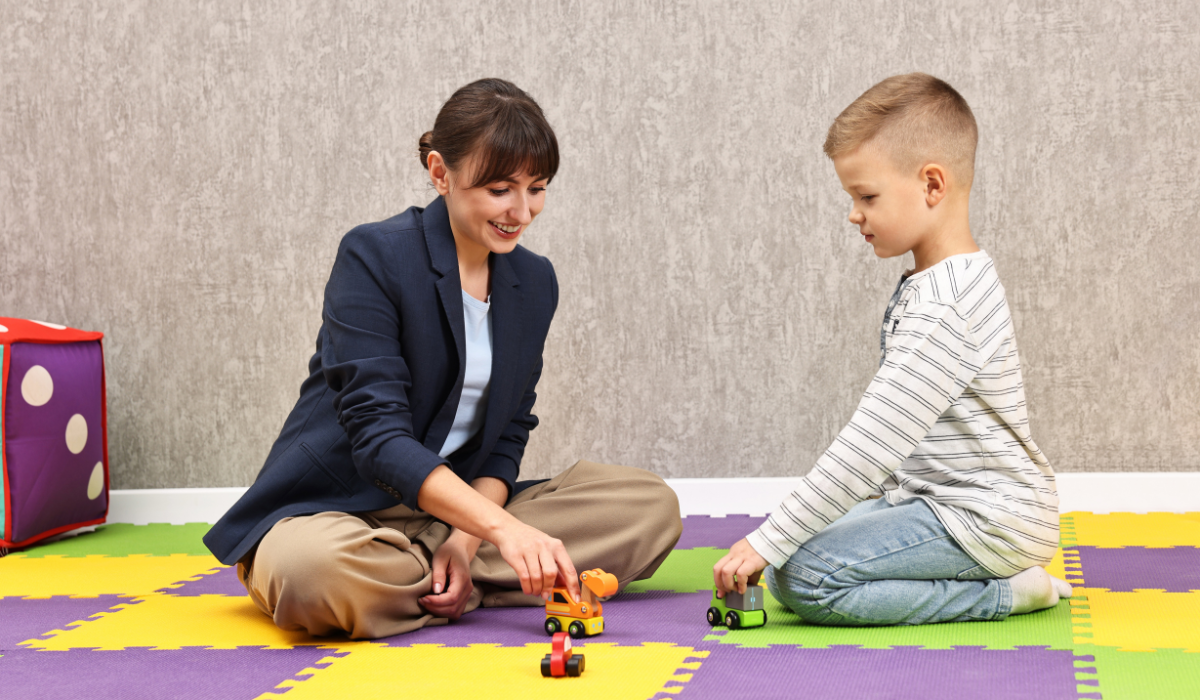
Effective communication is a cornerstone of everyday life, and for children on the autism spectrum, learning to express thoughts, needs, and emotions can be particularly challenging. ABA for Autism Communication has emerged as a highly effective approach to support speech and expression. Through structured interventions and personalized strategies, children can develop meaningful ways to interact with family, friends, and their communities. Many parents in Maryland now seek aba therapy in home Maryland to provide consistent support within the comfort of their own homes.
Applied Behavior Analysis (ABA) focuses on understanding the unique needs of each child and creating interventions that promote progress in communication. By breaking down complex skills into smaller, achievable steps, ABA helps children acquire new language abilities while reinforcing positive social behaviors. Families across the region have found that investing in aba services not only improves speech but also boosts confidence and independence.
Understanding Communication Challenges
Children with autism often face difficulties in verbal and non-verbal communication. These challenges can include limited vocabulary, trouble forming sentences, difficulty understanding questions, or struggling to convey needs and emotions.
ABA for Autism Communication works by identifying the specific areas where a child may need support. A board-certified behavior analyst (BCBA) assesses each child’s communication profile and creates a tailored plan to address individual challenges. The goal is to encourage not just verbal expression but also the ability to use gestures, facial expressions, and other forms of meaningful interaction.
The Role of ABA in Speech Development
ABA therapy is highly effective because it uses evidence-based techniques to teach and reinforce communication skills. For children learning to speak, ABA provides structured opportunities for practice and reinforcement.
Through consistent therapy sessions, children learn to associate words with objects, actions, and emotions. Techniques such as discrete trial training (DTT) or natural environment teaching (NET) allow children to practice language in both structured settings and everyday contexts. Parents and caregivers often participate actively, learning strategies to encourage speech outside therapy sessions.
By applying ABA for Autism Communication, children are supported in building vocabulary, forming sentences, and expressing themselves clearly. Progress is carefully monitored, and reinforcement is adapted to meet each child’s preferences and motivations.
Enhancing Social Interaction Through Communication
Communication is not just about words—it is also about connecting with others. ABA interventions emphasize social engagement, helping children initiate interactions, respond to peers, and participate in conversations.
Techniques such as role-playing, modeling, and prompting encourage children to use newly acquired communication skills in social situations. For example, a child may be guided to ask for help, make a choice, or share experiences with a sibling or friend. Over time, these interactions build confidence and foster meaningful relationships.
Families often find that aba therapy in home Maryland provides an ideal environment for practicing social communication, as children feel more comfortable exploring new skills in familiar surroundings.
Supporting Non-Verbal Communication
Not all children are ready to use spoken words immediately. ABA recognizes the importance of alternative communication methods, such as gestures, picture exchange systems, or communication devices.
ABA for Autism Communication supports children in learning how to convey needs and express feelings through these alternative methods. By reinforcing each successful attempt, children gradually gain confidence and may transition to verbal communication when ready.
In addition, non-verbal communication strategies are often combined with verbal interventions, ensuring that children can communicate effectively in all situations. Using consistent approaches in aba services ensures progress is steady and measurable.
Creating a Personalized ABA Plan
Each child’s journey with communication is unique, which is why personalized ABA plans are essential. BCBAs assess current abilities, set realistic goals, and design interventions tailored to the child’s strengths and challenges.
Goals may include increasing vocabulary, improving sentence structure, initiating conversations, or using non-verbal communication methods. Progress is tracked carefully, and interventions are adjusted as needed to ensure continuous growth. Families also receive guidance on how to reinforce communication skills at home, creating a seamless learning environment.
By following a structured plan, ABA for Autism Communication becomes an effective tool for helping children achieve meaningful communication milestones.
The Importance of Consistency and Practice
Consistent practice is critical in developing communication skills. ABA therapy provides regular sessions where children can practice speech and expression in a safe, supportive environment.
Parents and caregivers play a key role in maintaining consistency between therapy sessions. Implementing techniques learned from aba therapy in home Maryland allows children to generalize skills to everyday routines, such as mealtime, play, or classroom activities. This continuous reinforcement strengthens learning and encourages children to use communication naturally.
Empowering Independence and Confidence
Improving communication skills through ABA not only enhances speech but also empowers children to express needs, make choices, and participate in social activities.
Children who experience success in communication gain self-confidence, which motivates further learning. ABA interventions focus on reinforcing achievements, no matter how small, ensuring that children feel proud of their progress. This positive reinforcement fosters independence and helps children engage more fully with the world around them.
ABA for Autism Communication ensures that progress is meaningful, measurable, and aligned with each child’s unique abilities.
Preparing for Future Communication Success
The benefits of ABA extend beyond childhood. Early and effective communication interventions lay the foundation for future learning, academic success, and social participation.
Children who develop strong communication skills are better equipped to advocate for themselves, build friendships, and navigate new environments confidently. By choosing expert aba services, parents can provide their children with the tools needed for lifelong growth.
Choosing the Right ABA Provider
Finding a skilled and experienced ABA provider is crucial for effective communication support. Parents should look for certified professionals, ideally BCBAs, who can create individualized treatment plans and provide guidance on home practice.
Resources like bcba jobs near me can help families identify local experts who are qualified to deliver evidence-based interventions. A strong partnership between therapists, parents, and schools ensures that children receive consistent support across all settings.
Conclusion
ABA for Autism Communication offers a structured and effective approach to helping children improve speech and expression. Through individualized plans, consistent practice, and positive reinforcement, children can make meaningful progress in both verbal and non-verbal communication.
By integrating aba therapy in home Maryland and expert aba services, families empower their children to connect, express, and thrive in everyday life. Communication milestones achieved through ABA lay the groundwork for confidence, independence, and lifelong success.
At Able Minds ABA, we know your child is capable of more, and we’re here to show you what children with autism can do. Our expert ABA therapy builds skills for a successful life.
FAQs
What is ABA for Autism Communication?
ABA for Autism Communication is an evidence-based approach that helps children develop speech and expressive language skills. It focuses on teaching communication in structured ways while reinforcing positive behaviors to encourage progress.
How does ABA improve a child’s speech and expression?
ABA therapy breaks down complex communication skills into smaller steps. Children practice these skills repeatedly, receive reinforcement for successes, and gradually learn to use words, sentences, or non-verbal communication methods to express their needs and emotions.
Can ABA help children who are non-verbal?
Yes. ABA for Autism Communication incorporates alternative communication strategies such as gestures, picture exchange systems, or communication devices. These methods provide children with effective ways to communicate while they build verbal skills.
What is the role of a BCBA in ABA therapy?
A board-certified behavior analyst (BCBA) designs and oversees individualized ABA programs. They assess a child’s communication abilities, set goals, monitor progress, and adjust interventions to ensure the child is consistently improving.
How often should children receive ABA therapy?
The frequency of ABA therapy depends on each child’s needs. Some children benefit from daily sessions, while others may progress with a few sessions per week. Consistency and reinforcement at home are also crucial for success.
Can parents participate in ABA therapy sessions?
Absolutely. Parental involvement is encouraged in ABA for Autism Communication. Parents learn strategies to reinforce skills at home, practice communication exercises during daily routines, and provide a supportive environment for learning.
