


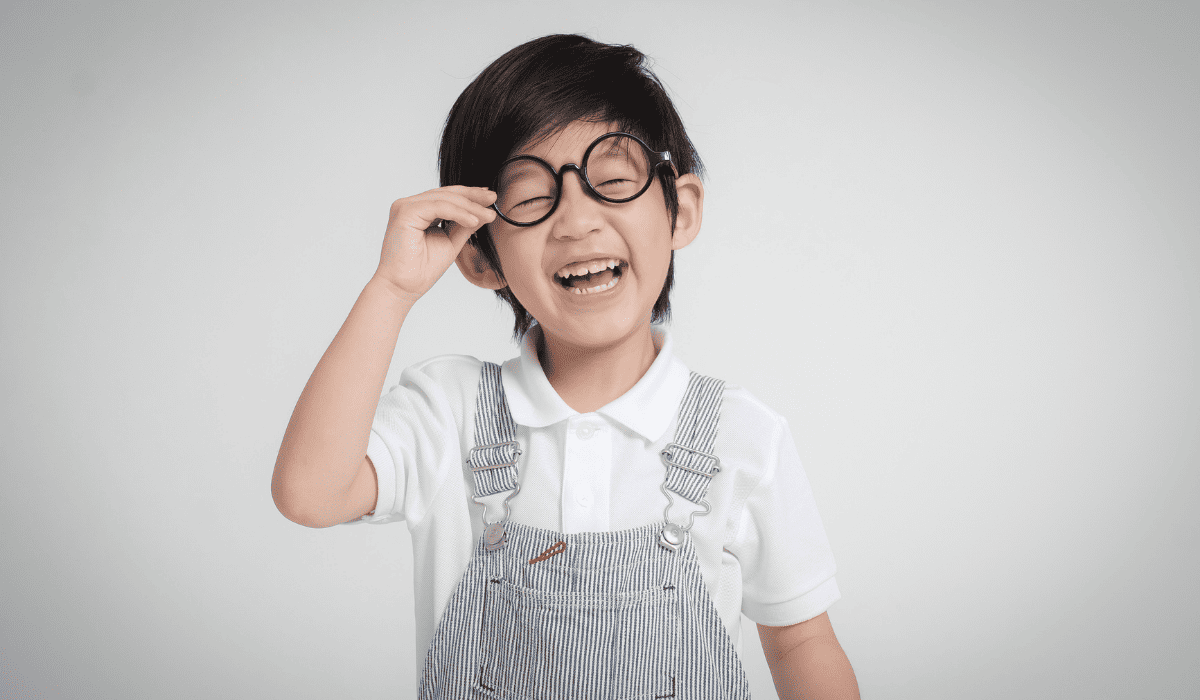
In Applied Behavior Analysis (ABA), learning begins not with teaching—but with trust. Before a child can follow directions, engage in new tasks, or show consistent progress, they need to feel safe and connected to their therapist. This essential first step is called ABA therapy pairing—a process designed to help children build comfort, confidence, and a positive relationship with their therapist.
At Able Minds ABA, we understand that progress in ABA therapy is not only about data and goals; it’s also about connection and care. That’s why our therapists prioritize pairing from the very beginning, ensuring every child feels understood, valued, and supported before diving into structured sessions.
Let’s explore how pairing works, why it’s so important, and how it sets the foundation for long-term success in ABA therapy.
What Is ABA Therapy Pairing?
ABA therapy pairing is the process of building a positive relationship between the child and therapist. During this stage, the therapist focuses on becoming associated with things the child enjoys—favorite toys, activities, or even moments of laughter.
The goal is simple:
The therapist becomes a source of fun, comfort, and good experiences rather than demands or pressure.
In other words, pairing helps the therapist transition from being a stranger to becoming a trusted friend. Once that relationship is strong, the child is naturally more motivated to learn and engage during therapy sessions.
At Able Minds ABA, our team takes a child-centered approach to pairing, meeting each child at their comfort level and following their lead during early sessions.
Why Is Pairing the Foundation of ABA Therapy?
Imagine being asked to complete a challenging task by someone you barely know—it’s uncomfortable, right? The same applies to children starting ABA therapy. That’s why pairing comes first—it helps establish trust before teaching.
Here’s why ABA therapy pairing is essential:
- Builds a Positive Emotional Connection: Children begin to associate therapy time with fun and warmth instead of stress.
- Reduces Resistance: When trust is built, children are less likely to avoid tasks or show challenging behaviors.
- Increases Motivation: Positive interactions motivate children to stay engaged and try new things.
- Encourages Faster Learning: When children feel safe, they learn more quickly and confidently.
At Able Minds ABA, pairing isn’t just a phase—it’s a philosophy. We believe every successful therapy program begins with meaningful connection.
How ABA Therapy Pairing Works in Practice
The pairing process looks simple on the surface, but it’s built on careful observation, empathy, and individualized strategies.
Here’s how therapists at Able Minds ABA typically approach pairing:
- Observation and Listening: Before starting structured activities, therapists spend time observing the child—what makes them smile, what catches their attention, and what triggers discomfort.
- Joining In, Not Leading: During pairing, the therapist joins the child’s play rather than directing it. If the child is playing with blocks or cars, the therapist might build alongside them or comment positively without interrupting.
- Creating Positive Associations: The therapist ensures that their presence is always linked to enjoyable experiences—praise, laughter, or favorite toys.
- Avoiding Demands Initially: Early pairing sessions focus on fun and comfort, not following directions or completing tasks. This helps prevent frustration or pressure.
- Gradual Introduction of Learning Activities: Once the child consistently responds positively, structured learning can slowly be introduced. The therapist continues to reinforce trust throughout.
Each child’s journey through ABA therapy pairing is unique. Some children connect within a few sessions; others may take longer. At Able Minds ABA, we match each approach to the child’s pace, never rushing progress.
Signs That Successful Pairing Is Taking Place
Parents often wonder, “How do I know if pairing is working?”
Here are a few clear signs that your child is forming a positive bond with their therapist:
- Your child looks forward to therapy sessions.
- They smile, laugh, or engage easily with their therapist.
- There’s less resistance to learning activities.
- The therapist can redirect behaviors more easily.
- The child’s motivation and attention improve during sessions.
When these signs appear, it means the foundation for effective learning is strong—and your child is ready for more structured teaching.
How Parents Can Support ABA Therapy Pairing
Parents play a crucial role in pairing success. The trust a child builds with their therapist often mirrors the emotional environment at home.
Here’s how you can help strengthen the process:
- Be Patient: Pairing takes time, but it’s worth it. Allow your child to warm up at their own pace.
- Encourage Positive Talk: Use kind, supportive language when discussing the therapist or therapy time.
- Reinforce at Home: Use some of the same games, praise, or rewards that the therapist uses during sessions.
- Communicate Regularly: Share insights about your child’s likes and dislikes with your therapy team.
- Celebrate Small Wins: Recognize every moment of connection and cooperation.
At Able Minds ABA, we partner with parents every step of the way. From the first session to steady progress, we ensure your family feels informed, supported, and confident.
The Emotional Side of Pairing
While ABA therapy pairing is based on behavioral science, it’s also deeply emotional. It’s about helping children feel seen, safe, and valued.
For many children, therapy starts as something new—and sometimes overwhelming. Pairing bridges that gap, transforming nervousness into curiosity and connection.
Our therapists at Able Minds ABA take time to understand each child’s personality, comfort level, and communication style. This approach ensures that pairing is not just effective—it’s compassionate.
Long-Term Benefits of Successful Pairing
When ABA therapy pairing is done effectively, it creates a strong foundation that supports every step of a child’s learning journey. The positive connection established between the therapist and the child doesn’t just make sessions smoother—it sets the stage for long-term growth and development.
Here are some of the key long-term benefits of successful pairing:
- Stronger Engagement: Children who feel safe and understood are more likely to participate actively and maintain focus during learning sessions, making each activity more effective and enjoyable.
- Better Skill Retention: Lessons experienced in a positive, supportive environment are remembered and applied consistently, allowing children to generalize skills across different settings.
- Reduced Behavioral Challenges: Trust reduces frustration and encourages cooperation, creating a calmer and more productive learning environment.
- Higher Motivation: Children begin to associate therapy with joy and accomplishment rather than stress, increasing their willingness to try new skills and tasks.
- Smooth Transitions: Whether moving between tasks, routines, or working with new therapists, children who have experienced strong pairing adapt more easily and feel confident in unfamiliar situations.
At Able Minds ABA, we’ve seen firsthand how successful pairing transforms therapy into a partnership built on patience, connection, and empowerment, ensuring children not only learn but thrive.
The Role of the Therapist in Pairing
Therapists are at the heart of the pairing process. They act as mentors, play partners, and guides—all while using evidence-based strategies.
Here’s what makes an effective therapist during pairing:
- Empathy: Understanding the child’s emotions and boundaries.
- Observation Skills: Noticing subtle cues that show comfort or discomfort.
- Flexibility: Adapting sessions based on the child’s responses.
- Consistency: Creating a stable, predictable environment.
- Positivity: Using enthusiasm and praise to build strong connections.
At Able Minds ABA, our therapists receive specialized training in building meaningful relationships, ensuring pairing becomes a natural and rewarding experience.
Why Able Minds ABA Focuses on Connection First
At Able Minds ABA, we believe pairing is the heartbeat of every successful therapy journey. Our approach is built on compassion, patience, and collaboration—with parents involved every step of the way.
We take time to:
- Understand your child’s unique preferences.
- Build a connection that encourages curiosity.
- Turn therapy into something your child enjoys, not avoids.
- Maintain open communication with families to ensure comfort and clarity.
By focusing on pairing first, we set the stage for learning that lasts a lifetime.
Final Thoughts
ABA therapy pairing isn’t just an introduction—it’s the foundation of growth, communication, and trust. When done with care, it transforms therapy from a task into a relationship.
At Able Minds ABA, we’ve seen the incredible difference that connection-first therapy can make. Our mission is to help children feel safe, motivated, and proud of their progress—one positive interaction at a time.
Every milestone begins with trust, and every success starts with pairing.
FAQs
What is ABA therapy pairing?
ABA therapy pairing is the process of building a positive, trusting relationship between a therapist and child. It helps the child associate therapy with fun, comfort, and motivation, creating a strong foundation for learning.
How long does pairing usually take?
The duration varies for each child. Some children connect quickly within a few sessions, while others may take more time. At Able Minds ABA, we follow each child’s pace to ensure comfort and readiness before structured learning begins.
Can parents help with ABA therapy pairing?
Absolutely! Parents can reinforce pairing by using similar praise, play, and reinforcement strategies at home. This consistency strengthens the child’s trust and learning between sessions.
Why is pairing so important before starting therapy goals?
Pairing builds trust and motivation, which are essential for engagement and learning. Without pairing, therapy can feel overwhelming, leading to frustration or resistance.
How do therapists know if pairing is successful?
Therapists look for signs like increased engagement, smiles, cooperation, and enthusiasm. At Able Minds ABA, we measure success not just through behavior data—but through connection and joy.
Does pairing continue throughout therapy?
Yes. Even after progress begins, therapists continue to strengthen the bond with the child. Pairing is an ongoing process that helps maintain trust and motivation over time.
