


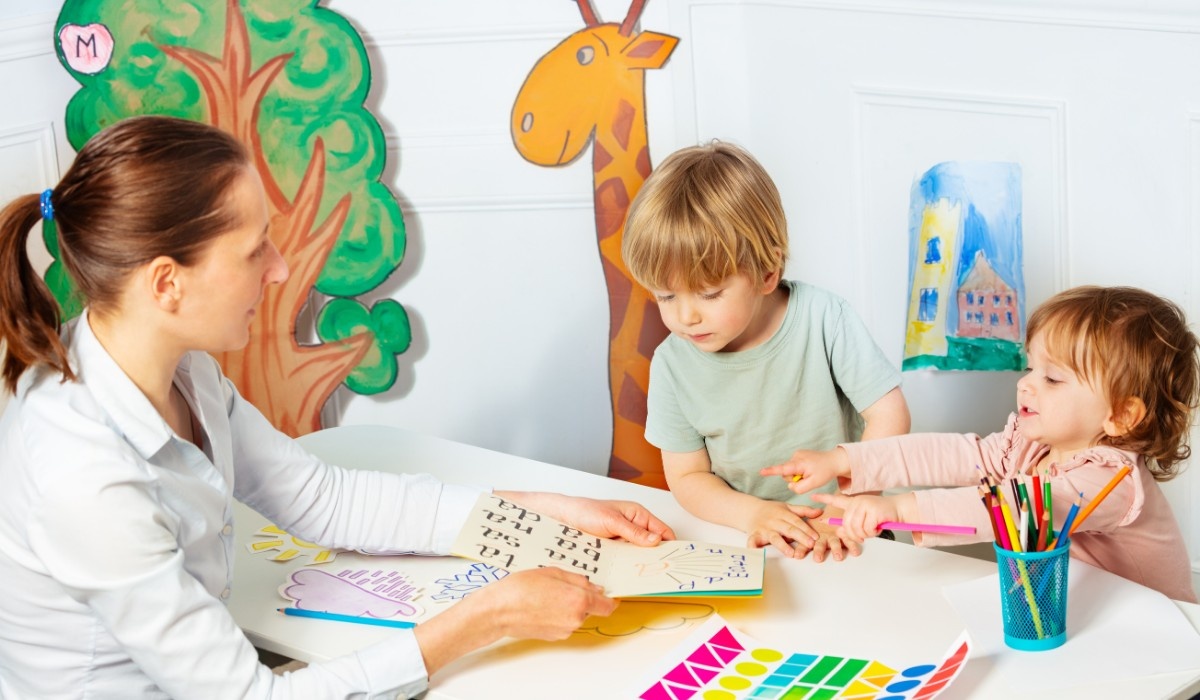
Every parent who begins ABA therapy for their child wonders the same heartfelt question:
“How long does ABA therapy take to work?”
It’s a question filled with hope and love — because when you’ve watched your child struggle to communicate, connect, or stay calm, you want to know that help is truly on the way. You want to know that the hours you invest in therapy will lead to meaningful, visible progress.
The honest answer?
ABA therapy works — but it takes consistency, time, and teamwork.
At Able Minds ABA, we’ve seen hundreds of Maryland families celebrate progress step by step. Some see small victories in the first few weeks, while others notice deeper, lasting changes over months. But in every case, change happens — and it’s powerful.
Let’s walk through what that journey looks like, how long ABA therapy typically takes to show results, and what you can do as a parent to make the process faster and more rewarding.
How Long Does ABA Therapy Take to Work?
The answer depends on your child’s age, diagnosis, goals, and the intensity of therapy.
However, based on decades of research — and our own experience at Able Minds ABA — here’s a realistic timeline of what families often see:
1. The Early Stage (First 1–3 Months): Building Trust and Foundation
The first few months of ABA therapy are all about building relationships and setting the groundwork for long-term success.
At this stage, your child might be meeting a therapist for the first time. They may feel uncertain or even resistant to the structured sessions. That’s normal.
The focus during these early weeks is to help your child feel safe, comfortable, and understood.
Therapists spend time:
- Observing behaviors and identifying triggers
- Understanding what motivates your child (toys, praise, snacks, activities)
- Building routines that make therapy sessions predictable and calming
You might not see huge external changes right away, but the foundation is forming. Your child is learning to trust the therapist, follow structure, and accept gentle redirection — which are essential steps before real skill-building begins.
By the end of this stage, parents often report small but meaningful changes like:
- Sitting through short sessions without resistance
- Following basic one-step instructions
- Showing curiosity or engagement with the therapist
- Fewer meltdowns during sessions
These may look small on the surface, but they are the roots of long-term success.
2. The Middle Stage (3–6 Months): Noticeable, Measurable Progress
This is the stage where most parents begin to see noticeable changes.
Once trust and consistency are established, children start generalizing what they learn — meaning they begin using skills in different settings (home, school, community).
During this time, ABA therapy focuses on:
- Expanding communication (more words, gestures, or visual aids)
- Improving focus, attention, and compliance
- Reducing problem behaviors through replacement skills
- Encouraging more social engagement and play
Families might begin hearing comments from teachers or relatives like,
“Wow, they’re calmer.”
“They’re starting to say more words.”
“They seem so much happier.”
These aren’t coincidences — they’re proof that ABA therapy is working.
Many families also start noticing smoother routines at home — bedtime, mealtime, or transitions to school become easier. Children learn to express their needs rather than reacting with frustration.
This is when parents often say, “We can finally breathe again.”
3. The Growth Stage (6–12 Months): Real Change, Strong Skills
By this stage, many children show consistent, meaningful improvement in key life skills.
They may be speaking more fluently, using eye contact naturally, or playing cooperatively with others.
Therapy now focuses on strengthening these new skills and helping children use them outside of the therapy setting — in school, community, and family life.
Behavior challenges often continue to decrease, and confidence grows. Parents often describe this stage as “seeing our child’s personality shine.”
Typical progress after 6–12 months of ABA therapy includes:
- Better emotional regulation (fewer tantrums, calmer recovery)
- Improved self-help skills (dressing, eating, cleaning up)
- Expanded vocabulary or communication system
- Longer attention spans
- More independence in daily routines
4. The Maintenance and Independence Stage (1 Year and Beyond)
Beyond the first year, therapy shifts from learning new behaviors to maintaining and refining them.
Your child’s BCBA may reduce session hours or introduce more community-based practice. The focus moves toward independence — being able to adapt to new environments, follow multi-step instructions, and handle change.
Some families continue ABA therapy for several years, while others transition to less frequent sessions as their child becomes more independent.
It’s not about “finishing” therapy — it’s about ensuring your child has every tool they need for lifelong success.
Why There’s No Exact “End Date”
ABA therapy isn’t a race with a finish line — it’s a journey that adapts as your child grows.
Each child learns differently, at their own speed, and through their own interests. The most important part is consistency and individualization.
At Able Minds ABA, we adjust goals every few weeks based on your child’s data.
When a goal is mastered — like following instructions or using words to request — we move to the next level. This keeps therapy dynamic, exciting, and effective.
Rather than focusing on “how long,” we encourage families to focus on “how far” their child has come.
Understanding What “Progress” Really Means in ABA Therapy
Before we answer how long it takes for ABA therapy to work, it’s important to understand what “working” actually means.
ABA therapy (Applied Behavior Analysis) isn’t a quick fix — it’s a scientific, step-by-step approach that focuses on teaching meaningful behaviors through reinforcement, repetition, and structure.
Progress isn’t always dramatic or instant. It’s often subtle, steady, and deeply rewarding.
You might notice that your child:
- Makes better eye contact
- Responds to their name
- Plays alongside another child for the first time
- Follows a simple instruction without help
- Uses a gesture, picture, or word to communicate a need
Each of these moments might seem small — but together, they signal that your child’s brain is forming new, healthy learning pathways.
That’s what ABA therapy does best: it helps children learn how to learn, communicate, and engage with the world around them.
What Affects How Quickly ABA Therapy Works?
Several key factors influence the pace of progress — and understanding them helps families stay patient, supportive, and involved.
1. The Age of the Child and Early Intervention
Starting ABA therapy early — ideally between ages 2–5 — can dramatically accelerate results.
Younger children are more adaptable, and their brains are highly receptive to learning new skills.
But it’s never “too late.”
Older children and even teenagers benefit greatly from ABA, especially in improving communication, social skills, and emotional regulation.
Early intervention simply builds a stronger foundation for the future.
2. The Intensity and Frequency of Sessions
The number of hours your child receives each week plays a major role in how quickly progress appears.
Most children benefit from 10–25 hours per week, depending on their goals. Some may need more intensive programs (30+ hours) if there are significant communication or behavioral challenges.
ABA works through repetition and reinforcement — children learn by practicing the same skill across many environments and situations.
The more consistent the sessions, the stronger and faster the results.
Missing too many sessions, inconsistent scheduling, or long breaks can slow down progress.
3. Parental Involvement and Home Practice
This is one of the most powerful factors.
Children make the fastest progress when parents are active participants in therapy.
At Able Minds ABA, we train parents and caregivers on the same techniques therapists use — reinforcement, prompting, and shaping.
When these methods are applied at home, skills generalize faster, and children retain them better.
For example, if your therapist teaches your child to use a picture card to request snacks, continuing that same method at home reinforces the skill naturally.
Parent participation also builds consistency — your child learns that the same expectations and rewards exist both in therapy and at home.
4. Therapist Experience and Consistency
Progress happens when there’s a strong, trusting relationship between your child and the therapy team.
That’s why therapist consistency matters. The same therapist working regularly with your child understands triggers, motivators, and subtle signs of growth that others might miss.
At Able Minds ABA, all programs are supervised by Board-Certified Behavior Analysts (BCBAs) who tailor each plan based on detailed behavior data. We also ensure that therapists receive continuous training to maintain high-quality care.
The right therapist doesn’t just teach — they connect, understand, and celebrate every milestone with your family.
5. Collaboration with Other Therapies
ABA therapy often works best when paired with other supportive therapies such as:
- Speech therapy for communication development
- Occupational therapy for fine motor skills and sensory regulation
- Feeding therapy for mealtime behaviors or food selectivity
When these therapies are coordinated, progress becomes faster and more holistic.
Our team at Able Minds ABA frequently collaborates with other specialists to make sure everyone is working toward the same goals.
What Real Change Looks Like for Families
Progress in ABA therapy isn’t always something you can measure in charts — it’s something you feel.
Parents tell us stories like:
“He looked at me and said, ‘Mom, I’m hungry.’ I waited years to hear that.”
“She started hugging her brother for the first time.”
“We can finally go to the grocery store without tears.”
These are the real-life victories that make ABA therapy life-changing.
Your child might not suddenly become talkative or independent overnight, but you’ll notice moments of connection, understanding, and calm that grow with each week.
Progress is personal — and every child’s success story is different, but equally beautiful.
How to Know ABA Therapy Is Working
Even when progress feels slow, there are subtle signs that ABA is making a difference:
- Reduced tantrums or aggression
- Improved focus and willingness to learn
- More consistent responses to instructions
- New words, gestures, or social interactions
- Greater happiness and comfort in daily life
Therapists track these milestones with data, but families often notice them in daily routines — like smoother mornings, more eye contact, or laughter during play.
How Long Does ABA Therapy Last Altogether?
Some children reach their goals in 12–24 months. Others continue at a reduced schedule for several years, especially if they begin therapy later or have more complex needs.
Think of ABA as an investment in your child’s long-term success — the more time, consistency, and collaboration you put in, the stronger the results.
Even after therapy ends, the lessons and habits your child learns continue to shape their confidence, independence, and communication for life.
Final Thoughts: Progress Is a Journey
So, how long does ABA therapy take to work?
There’s no single answer — because every child’s growth is unique.
But here’s what we know for sure:
When aba therapy services is consistent, personalized, and supported at home, progress happens — and it lasts.
You’ll begin seeing small but powerful moments of change: smiles, words, calmness, connection.
Over months, those moments multiply into transformation.
At Able Minds ABA, we’re here to guide you through that journey with compassion, patience, and proven expertise — one meaningful milestone at a time.
Frequently Asked Questions (FAQs)
How long does ABA therapy take to work?
Most families begin noticing progress within 3–6 months of consistent sessions. Each child’s timeline varies depending on their needs, therapy hours, and family involvement.
How long does it take for ABA therapy to show results in communication?
Early communication skills often appear within the first few months, especially if therapy includes visual or verbal reinforcement. Over time, these skills develop into stronger language use.
Can ABA therapy help older children or teenagers?
Yes. ABA therapy is effective for all age groups. For older children, the focus shifts to independence, emotional control, and social understanding.
Will my child need ABA therapy forever?
Not necessarily. Many children complete therapy once their goals are achieved. Others transition to fewer sessions as they gain independence.
How can I help ABA therapy work faster?
Be involved, stay consistent, and reinforce what’s learned at home. Open communication with your therapy team also ensures adjustments are made when needed.
