


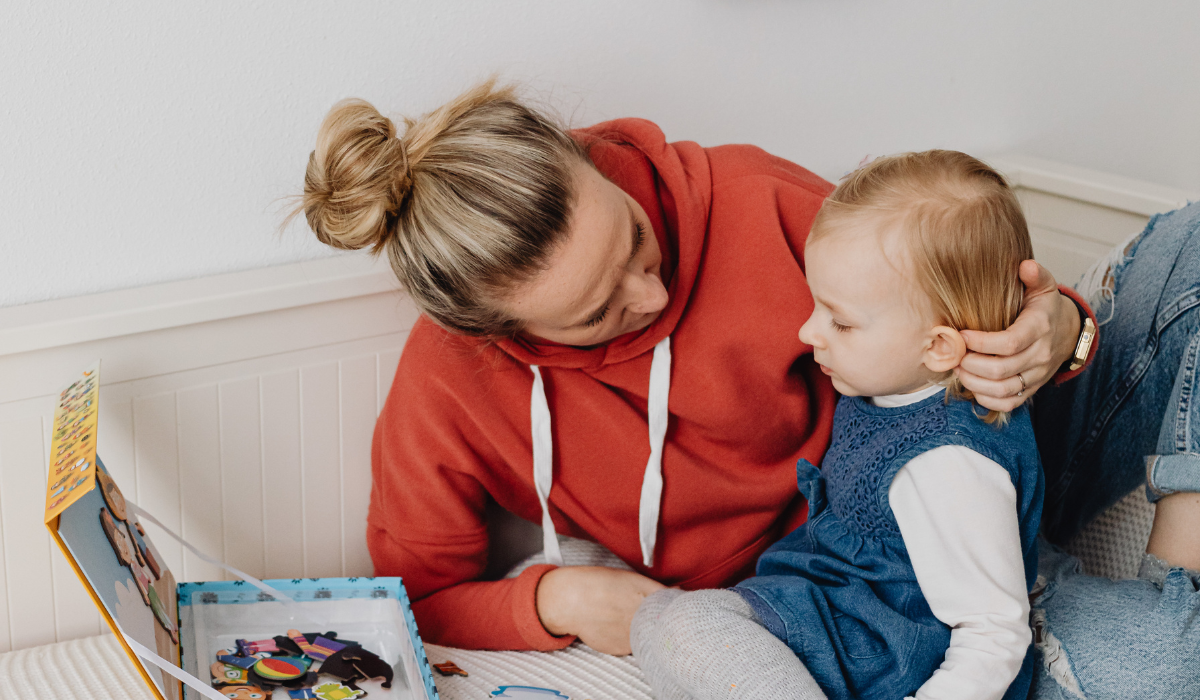
Birthday parties are exciting, filled with balloons, cake, laughter, and cherished memories. But for many families of children with unique learning needs, parties can feel overwhelming. The noise, new faces, and busy environment may sometimes trigger stress and challenging behaviors. Parents want their children to enjoy these special moments without fear of meltdowns. That’s where Applied Behavior Analysis (ABA) can provide helpful, practical strategies. Families who already work with experts through in-home ABA therapy services Maryland often discover that birthday parties become smoother, more joyful, and far less stressful when ABA techniques are applied.
At Able Minds ABA, we understand that your child is capable of so much more. By combining professional guidance with the right strategies, you can create celebrations that everyone enjoys while helping your child feel confident, calm, and happy.
Why Birthday Parties Can Feel Overwhelming
Birthday parties bring together a mix of activities: games, music, decorations, and social interactions. For some children, the fast pace and unpredictability may feel confusing or difficult to manage. Parents often notice that their child may withdraw, become upset, or even have meltdowns.
This doesn’t mean parties are off-limits. It simply means that extra planning and structured supports can help make the event more comfortable. ABA provides step-by-step approaches to teach children how to handle new experiences with greater ease.
Using ABA Strategies for Party Success
Applied Behavior Analysis focuses on understanding behavior, teaching new skills, and creating positive reinforcement systems. By preparing in advance and breaking experiences into manageable steps, parents can set their child up for success.
Here are strategies that truly work for ensuring Birthday Parties without Meltdowns: ABA Tips that Work:
1. Prepare in Advance
Preparation is the key. Talk about the party in simple terms several days before. Use visual schedules, photos of the location, or even practice games at home to build familiarity. Children thrive when they know what to expect, and ABA encourages introducing new experiences gradually.
2. Role-Play Party Moments
Before the big day, rehearse what might happen at the party. Practice blowing out candles, singing birthday songs, or saying hello to guests. Role-playing helps reduce surprises and builds confidence. With consistent practice, your child begins to view these activities as fun rather than stressful.
3. Keep Expectations Realistic
It’s helpful to remember that your child doesn’t need to participate in every single activity. If the party has ten games planned, your child may only join one or two—and that’s perfectly okay. ABA techniques emphasize celebrating small wins, reinforcing participation with encouragement or rewards.
4. Use Positive Reinforcement
Praise and rewards go a long way. For example, if your child joins a group game or tries something new, offer immediate positive reinforcement. This could be a favorite toy, a high-five, or words of encouragement. Reinforcement teaches your child that party participation brings positive outcomes.
5. Create a Quiet Break Area
Having a calm space available can prevent meltdowns. If your child starts feeling overwhelmed, guide them to a quieter spot for a short break. ABA therapists often recommend this as a proactive strategy, allowing children to reset before rejoining the fun.
Step-by-Step ABA Party Plan
Parents often find it helpful to map out a clear plan before the celebration. Below is a simple structure based on ABA principles:
- Step 1: Practice at Home
- Rehearse common party activities.
- Step 2: Prepare Visual Supports
- Show the schedule of the day. For example: “Arrive → Play → Cake → Home.”
- Step 3: Arrive Early
- Let your child explore before the party becomes busy.
- Step 4: Use Reinforcement Throughout
- Offer praise and small rewards for each successful step.
- Step 5: Allow Breaks
- Encourage short pauses before returning to the group.
- Step 6: End on a Positive Note
- Leave while your child is still feeling good rather than waiting until fatigue sets in.
Helping Other Children Understand
Birthday parties also involve peers. Teaching siblings, cousins, or classmates to be supportive can make a huge difference. ABA strategies can be shared with other children, such as waiting patiently, modeling turn-taking, or giving gentle encouragement. This builds a more inclusive environment where everyone celebrates together.
Celebrating Small Wins
Not every birthday party will go perfectly—and that’s okay. Success isn’t defined by your child doing everything “just like others.” Instead, it’s about creating happy moments, reducing stress, and ensuring your child feels included. Each party offers an opportunity to learn and improve for the next one.
By focusing on progress, parents can gradually help their child enjoy parties with less stress. Over time, what once felt overwhelming can become something to look forward to.
How ABA Professionals Can Help
Families don’t need to handle everything alone. Partnering with experienced ABA providers makes the journey easier. For example, parents searching for the best in home aba therapy Maryland often find professional support helps them apply these strategies more effectively. Board Certified Behavior Analysts (BCBAs) and Registered Behavior Technicians (RBTs) work closely with families, providing tools tailored to each child.
In fact, many parents have discovered that ABA strategies practiced at home can naturally extend to birthday parties, family gatherings, and community events. When children build these skills in everyday life, they become more confident across all settings.
Building Social Confidence Through ABA
Birthday parties are not only about cake and games; they’re opportunities to build social skills. ABA focuses on teaching children how to interact, communicate, and participate in group settings. By practicing greetings, turn-taking, and asking for help, children strengthen skills that extend far beyond the party.
When these skills are reinforced consistently, children become more comfortable around peers, creating lasting friendships and memories.
Why Consistency Matters
Consistency is one of the cornerstones of ABA. The same strategies used at home can be applied at a party, making transitions smoother. For instance, if your child uses a reward system for daily routines, carry that same system into the party environment. Familiarity creates comfort, and comfort reduces the likelihood of meltdowns.
Encouraging Independence
Another benefit of using ABA strategies during parties is fostering independence. Encouraging your child to make choices—such as which game to join, or when to take a break—empowers them. These small steps help build confidence, showing your child that they can manage new environments successfully.
Supporting Parents Too
It’s not just children who benefit—parents also gain peace of mind knowing they have a plan. Instead of worrying about potential challenges, parents can enjoy the celebration, connect with friends and family, and focus on positive moments.
ABA is about creating success for the whole family, not just the child.
Opportunities for Careers in ABA
Behind every successful birthday party supported by ABA are dedicated professionals. Families often meet behavior technicians who provide essential guidance. For those inspired by this work, opportunities such as rbt jobs are available. Becoming an RBT means making a direct impact in helping children achieve milestones both at home and during special events like birthday parties.
Conclusion
Birthday celebrations are milestones filled with joy, but they can sometimes feel challenging for families. By using structured strategies from Applied Behavior Analysis, parents can ensure smoother experiences, fewer meltdowns, and happier memories.
At Able Minds ABA, we believe in empowering children to shine, not only at home but also during life’s most joyful moments. With preparation, reinforcement, and professional support, families can truly enjoy Birthday Parties without Meltdowns: ABA Tips that Work—creating celebrations full of laughter, connection, and love.
FAQs
How can ABA help prevent meltdowns during birthday parties?
ABA provides structured strategies like preparation, role-playing, positive reinforcement, and clear routines. These methods help children know what to expect and build skills for handling new situations. By breaking down activities into smaller, manageable steps, ABA reduces overwhelm and increases confidence, making parties more enjoyable.
What can I do if my child feels overwhelmed at a party?
It’s helpful to plan a quiet break area where your child can pause and relax. ABA techniques encourage short breaks as a proactive tool rather than waiting until a meltdown begins. Allow your child to return to the celebration when they are ready. This supports emotional regulation while still including them in the fun.
Should I expect my child to participate in every activity at a party?
Not necessarily. ABA emphasizes celebrating small wins. Even if your child joins one game or sings during the cake ceremony, that’s progress worth celebrating. The goal is not full participation right away but gradual success that builds confidence over time.
How can I prepare my child for a birthday party in advance?
You can start by talking about the party several days ahead, showing pictures of the location, or creating a simple schedule of the day. Role-playing common activities like blowing out candles or greeting guests can also reduce surprises. Practicing these steps at home makes the real event feel more familiar.
Can ABA professionals support families during special events like parties?
Yes. Many families work with ABA professionals to prepare children for real-life events, including birthdays. Skills practiced in therapy sessions often extend to celebrations, family gatherings, and community outings. Parents seeking expert guidance, such as through in-home ABA therapy services in Maryland, find that support from trained professionals makes these events smoother and more successful.
