


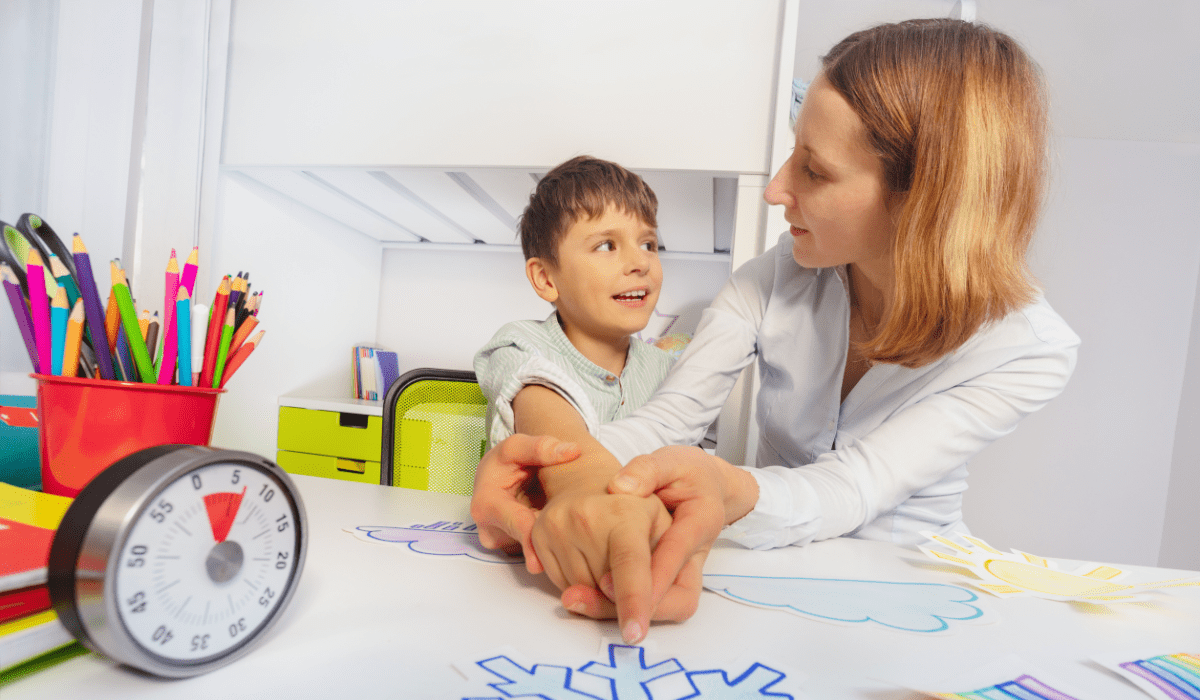
Every parent wants to see their child thrive—communicating clearly, learning new skills, and becoming independent. Yet, for many families, the journey feels overwhelming. You may have already tried traditional therapies but still feel like your child is struggling to make consistent progress. This leaves parents questioning what more can be done.
This is where ABA Therapy (Applied Behavior Analysis) comes in. Unlike many one-size-fits-all approaches, ABA provides structured, evidence-based strategies tailored to each child’s unique needs. By focusing on positive reinforcement, measurable goals, and consistent practice, it bridges the gap where traditional therapy sometimes falls short.
In this article, we’ll explore why traditional therapy may not deliver the results you expect, and how ABA Therapy can provide the missing link to meaningful growth.
Why Traditional Therapy Alone May Not Be Enough
Traditional methods often offer general support, but they don’t always take into account the specific ways children learn. Many children require a highly individualized program that breaks down skills step by step. Without this level of structure, they may face:
- Inconsistent results: Progress may seem to stall or vary across settings.
- Limited generalization: Skills learned in one environment may not transfer to daily life.
- Lack of measurable goals: Families may not see clear benchmarks to track improvements.
These challenges can leave parents feeling like their child is working hard but still not reaching their potential.
How ABA Therapy Bridges the Gap
ABA Therapy is different because it is rooted in data-driven methods and personalization. Each program is designed based on assessments and is implemented with clear objectives in mind. Here’s how it helps:
1. Individualized Plans
Unlike generic therapies, ABA programs are tailored specifically to each child. Goals may include improving communication, building daily living skills, or reducing disruptive behaviors.
2. Data-Driven Progress
Therapists collect data during each session, allowing families to see measurable improvements over time. This creates clarity and reassurance.
3. Positive Reinforcement
Children learn better when encouraged with rewards and motivation. ABA emphasizes positive reinforcement to make learning enjoyable and effective.
4. Skilled Guidance from BCBAs
Programs are usually designed and monitored by Board Certified Behavior Analysts (BCBAs). These professionals not only ensure quality but also adapt strategies when needed. The demand for BCBA jobs continues to grow as more families recognize the effectiveness of this therapy.
Benefits of Choosing ABA Therapy
Families who turn to ABA often report significant changes that traditional therapy alone could not achieve:
- Stronger communication abilities
- Better coping skills in different environments
- Increased independence in daily activities
- Enhanced social interactions
- Long-lasting results beyond therapy sessions
By focusing on practical life skills and consistency, ABA prepares children to navigate real-world situations more confidently.
Exploring Therapy Options: In-Home and Private Services
Parents today have flexible options for implementing ABA. Two popular choices include:
In-Home ABA Therapy
With in-home ABA therapy, children practice skills in the environment where they spend the most time. This approach makes learning more natural and immediately applicable. For example, if a child struggles with mealtime routines, therapists can directly address the challenge at home.
Private ABA Therapy in Maryland
For families seeking specialized care, private ABA therapy Maryland programs offer personalized services outside of school settings. These programs often provide intensive, one-on-one sessions designed to maximize progress.
Applied Behavioral Analysis in Maryland: A Growing Support Network

Families in Maryland have increasing access to ABA services. Many providers now specialize in applied behavioral analysis Maryland, ensuring that local communities benefit from high-quality programs. With a strong network of trained professionals, parents can choose between clinic-based services, private therapy, or home-based care.
This flexibility allows families to find the right balance between convenience and effectiveness.
The Role of BCBAs in Your Child’s Progress
One of the reasons ABA Therapy works so well is the involvement of BCBAs. These certified professionals design the programs, supervise therapists, and make data-driven decisions to adjust strategies.
With the rising demand for services, BCBA job opportunities are expanding nationwide. This growth benefits families by increasing access to trained experts who can guide children through personalized development plans.
Why Families Choose ABA Therapy After Traditional Methods
Parents often turn to ABA after trying traditional therapy because they notice:
- Faster Results – Measurable progress helps families see changes in weeks or months.
- Consistency Across Settings – Skills learned at school or clinic transfer into the home environment.
- Personalized Attention – Each child’s goals are unique, and ABA adapts accordingly.
- Empowerment for Parents – Families are included in the process and trained to reinforce strategies at home.
Taking the Next Step
If your child has been struggling despite previous therapies, it may be time to explore ABA Therapy. With options like in-home ABA therapy, private ABA therapy Maryland, and broader support from applied behavioral analysis Maryland, there are pathways tailored to fit your family’s needs.
ABA’s structured, data-driven, and compassionate approach ensures children not only learn but thrive. By partnering with certified professionals like BCBAs, you can give your child the tools to succeed in everyday life.
Conclusion
Many parents face the heartbreaking reality that their child still struggles despite traditional therapy. But hope is far from lost. With its proven methods, personalization, and long-term benefits, ABA Therapy provides a powerful solution for children and families alike.
By choosing the right setting—whether in-home, private, or community-based—families can finally find the support system that truly works. With the guidance of skilled BCBAs, children have the opportunity to achieve milestones once thought out of reach.
If your child is still struggling, consider ABA not as another option, but as the breakthrough you’ve been waiting for Contact us now.
FAQs
What makes ABA Therapy different from traditional therapy?
ABA Therapy is highly structured and data-driven. Unlike traditional methods that may take a general approach, ABA focuses on breaking down skills into smaller steps, using positive reinforcement, and measuring progress consistently. This ensures children achieve results that carry over into real-life situations.
How can in-home ABA therapy help my child?
In-home ABA therapy allows children to practice new skills where they live and feel comfortable. For example, therapists can address challenges like mealtime routines, communication at home, or daily self-care. This makes learning practical and directly applicable to everyday life.
Is private ABA therapy in Maryland available for families?
Yes, families can access private ABA therapy Maryland services for personalized care outside of school settings. These programs typically provide one-on-one sessions, flexible schedules, and intensive support designed around your child’s unique goals.
What is applied behavioral analysis in Maryland, and how is it used?
Applied behavioral analysis Maryland programs are designed to support children by improving communication, social interactions, and daily living skills. Families in Maryland can choose from clinic-based therapy, private sessions, or in-home services, depending on their needs.
Who creates and supervises an ABA Therapy plan?
A Board Certified Behavior Analyst (BCBA) develops the therapy plan and supervises its implementation. These professionals monitor progress, adapt strategies, and ensure goals are being met effectively. The growing demand for quality care has also increased opportunities for BCBA jobs across the country.
How long does it take to see results with ABA Therapy?
Every child is different, but many families report progress within a few weeks to months of starting ABA Therapy. Since goals are measurable, you’ll be able to track improvements and celebrate milestones along the way.
Can parents be involved in ABA Therapy?
Absolutely. One of the biggest strengths of ABA Therapy is parent involvement. Families are trained to use strategies at home, which reinforces skills outside therapy sessions and ensures long-term success.
Is ABA Therapy available only for school-aged children?
No, ABA Therapy can be tailored for children of all ages, from toddlers to teenagers. The flexibility of the program makes it suitable at any stage of development, depending on your child’s individual needs.
How does ABA Therapy support long-term development?
ABA Therapy focuses on teaching practical, everyday skills that children can carry with them throughout life. By reinforcing positive behaviors and building independence, ABA provides benefits that extend well beyond therapy sessions.
Can ABA Therapy be combined with other treatments?
Yes. Many families choose to combine ABA Therapy with other supportive treatments or educational programs. Because ABA is evidence-based and data-driven, it works well alongside additional therapies, ensuring children receive comprehensive support.
Are there enough ABA Therapy providers in Maryland?
The demand for applied behavioral analysis Maryland services has grown significantly, and many providers now offer both clinic-based and private options. Families can also access in-home ABA therapy for added convenience, giving them flexibility in choosing the right provider.
What should parents look for when choosing an ABA Therapy provider?
When selecting an ABA Therapy provider, parents should ensure that a Board Certified Behavior Analyst (BCBA) supervises the program. It’s also important to ask about individualized treatment plans, data tracking methods, and whether options like private ABA therapy Maryland or in-home sessions are available.
