


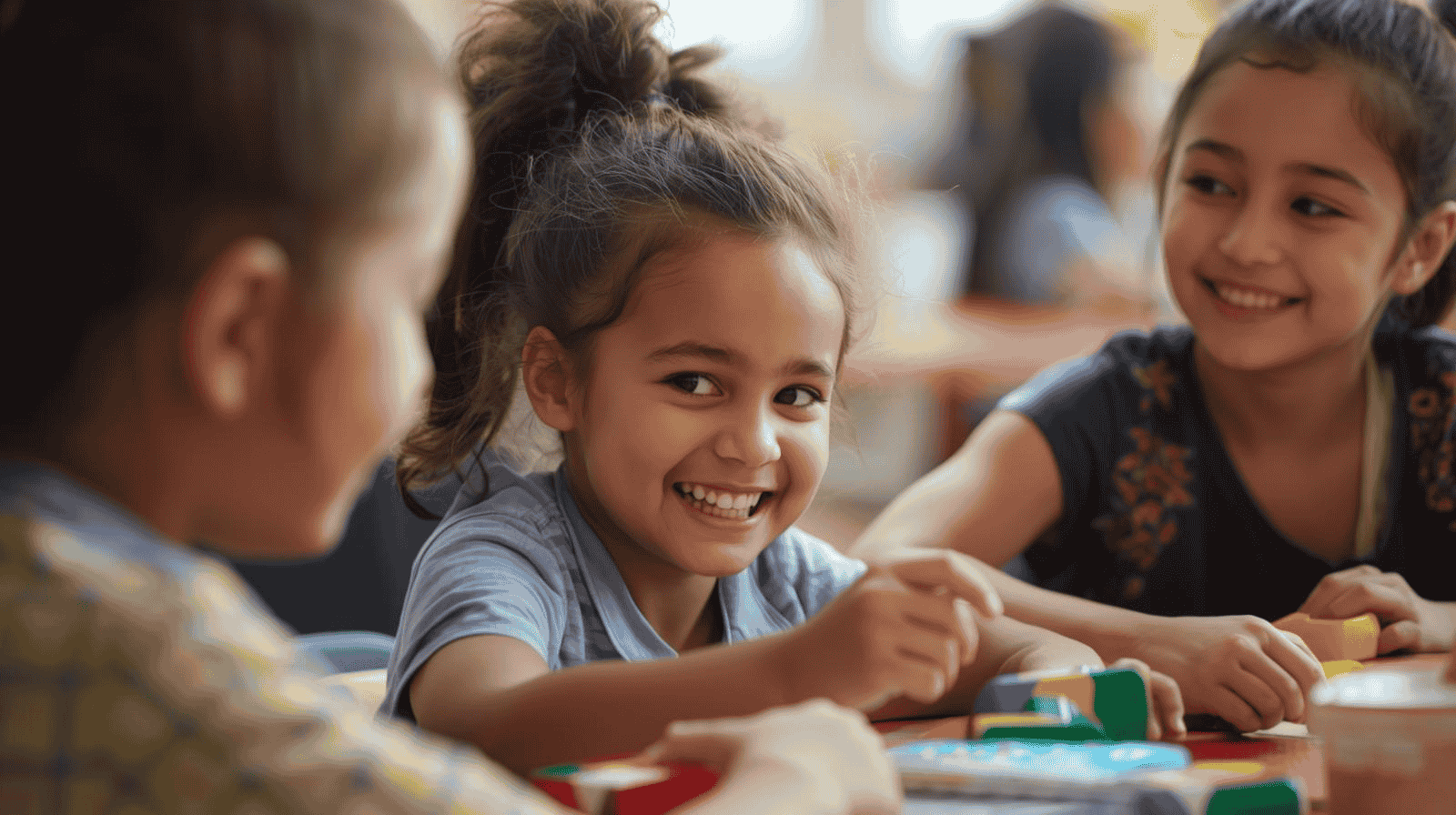
Developing social skills is an essential aspect of every child’s growth. For children who face challenges in social interactions, practicing these skills in real-world environments can be transformative. At Able Minds ABA, we emphasize the importance of building social competence outside the home, helping children apply learned behaviors in meaningful and practical ways. Community-based social skills practice is a vital step in supporting children’s development, confidence, and independence.
The Importance of Real-World Practice
While home-based interventions like home ABA therapy Maryland provide foundational learning, children benefit significantly when they transfer these skills to the community. In structured sessions with a qualified applied behavior analysis therapist, children can practice greetings, sharing, turn-taking, and conversational skills in dynamic settings. Real-world experiences introduce variability, requiring children to adapt their skills to different people and situations—something that cannot always be replicated in a therapy room.
Practicing in familiar and unfamiliar environments, such as grocery stores, parks, or local community centers, allows children to generalize their learning. This generalization ensures that skills learned during therapy sessions are not limited to controlled settings but are functional and meaningful in everyday life.
How Community Practice Enhances Learning
- Contextual Learning: Children learn best when skills are practiced in context. For example, learning to ask politely for items at a store counters is more effective when practiced during actual shopping trips.
- Adaptive Responses: Community interactions are unpredictable. A child might encounter unexpected questions, varied social cues, or unplanned events. Practicing in such settings encourages flexibility, teaching children how to adapt responses appropriately.
- Boosting Confidence: Success in real-life social situations builds self-esteem. Children gain confidence when they realize they can interact successfully outside the home or therapy environment.
- Natural Reinforcement: Positive reinforcement in natural settings can be highly motivating. Compliments, smiles, or positive feedback from community members reinforce social behaviors in meaningful ways, making learning more effective.
Role of ABA Therapists in Community-Based Social Skills
Applied behavior analyst therapists play a crucial role in bridging therapy goals with community practice. They assess each child’s individual needs and design interventions that target specific skills. During community outings, therapists provide guidance, feedback, and reinforcement while allowing children to practice independence.
By coordinating with parents and caregivers, therapists can ensure that community practice aligns with home routines and therapy goals. This collaboration enhances consistency, which is critical for the acquisition and retention of social skills. Families in Maryland can benefit from reputable ABA agencies Maryland, which often include community-based programs as part of their comprehensive therapy plans.
Common Community Practice Activities
Here are some examples of activities that can help children strengthen social skills in community settings:
- Role-Playing in Stores: Practicing polite conversation, asking for help, or interacting with cashiers.
- Playdates and Group Activities: Encouraging turn-taking, sharing, and cooperative play.
- Public Transportation Practice: Learning to ask for directions, greet drivers, or wait appropriately.
- Local Events and Libraries: Participating in storytime or community classes to practice group interaction.
Each of these activities provides opportunities for children to apply skills learned in therapy to real-life situations. With structured support, children can gradually navigate these environments with greater independence and social confidence.
Collaboration Between Families and Therapists
Families play a crucial role in extending social skill practice beyond therapy sessions. Parents and caregivers can reinforce learned behaviors by modeling appropriate interactions, providing encouragement, and creating opportunities for practice in various community settings. Home ABA therapy Maryland services often provide strategies and support to ensure that social skill development continues seamlessly at home.
Regular communication between therapists and families is essential. Tracking progress, discussing challenges, and setting achievable goals help create a consistent and effective approach. This collaboration ensures that social skills are reinforced across multiple environments, maximizing the child’s growth potential.
Measuring Success in Community-Based Social Skills
Success in community social skills practice is often measured by the child’s ability to independently navigate social interactions with minimal prompts. Key indicators include:
- Engaging in conversations appropriately
- Responding to social cues effectively
- Demonstrating patience and turn-taking in group settings
- Expressing needs and preferences politely
Therapists use data-driven methods to track progress, adjusting interventions as needed. Positive outcomes in community settings often translate to improved interactions in school, extracurricular activities, and daily life.
Challenges and Considerations
Community-based social skills practice can be challenging. Children may initially feel overwhelmed, anxious, or uncertain. Gradual exposure, guided support from therapists, and reinforcement of small successes help ease these challenges. Patience, consistency, and structured guidance are key to helping children gain confidence and competence in social interactions.
Parents should also select safe and supportive community environments. Outings should be structured to balance challenge and success, ensuring positive experiences that encourage learning.
Conclusion
Practicing social skills in the community is more than an extension of therapy; it is an essential component of meaningful growth for children. With the guidance of applied behavior analyst therapists, the support of families, and the resources of reputable ABA agencies Maryland, children can transfer skills learned in therapy to real-world settings. Community-based practice fosters independence, confidence, and lasting social competence, preparing children for success in all aspects of life.
At Able Minds ABA, we are committed to showing families what children are truly capable of. By combining home-based therapy, structured community practice, and professional guidance, children develop the tools they need to thrive socially, academically, and personally.
