


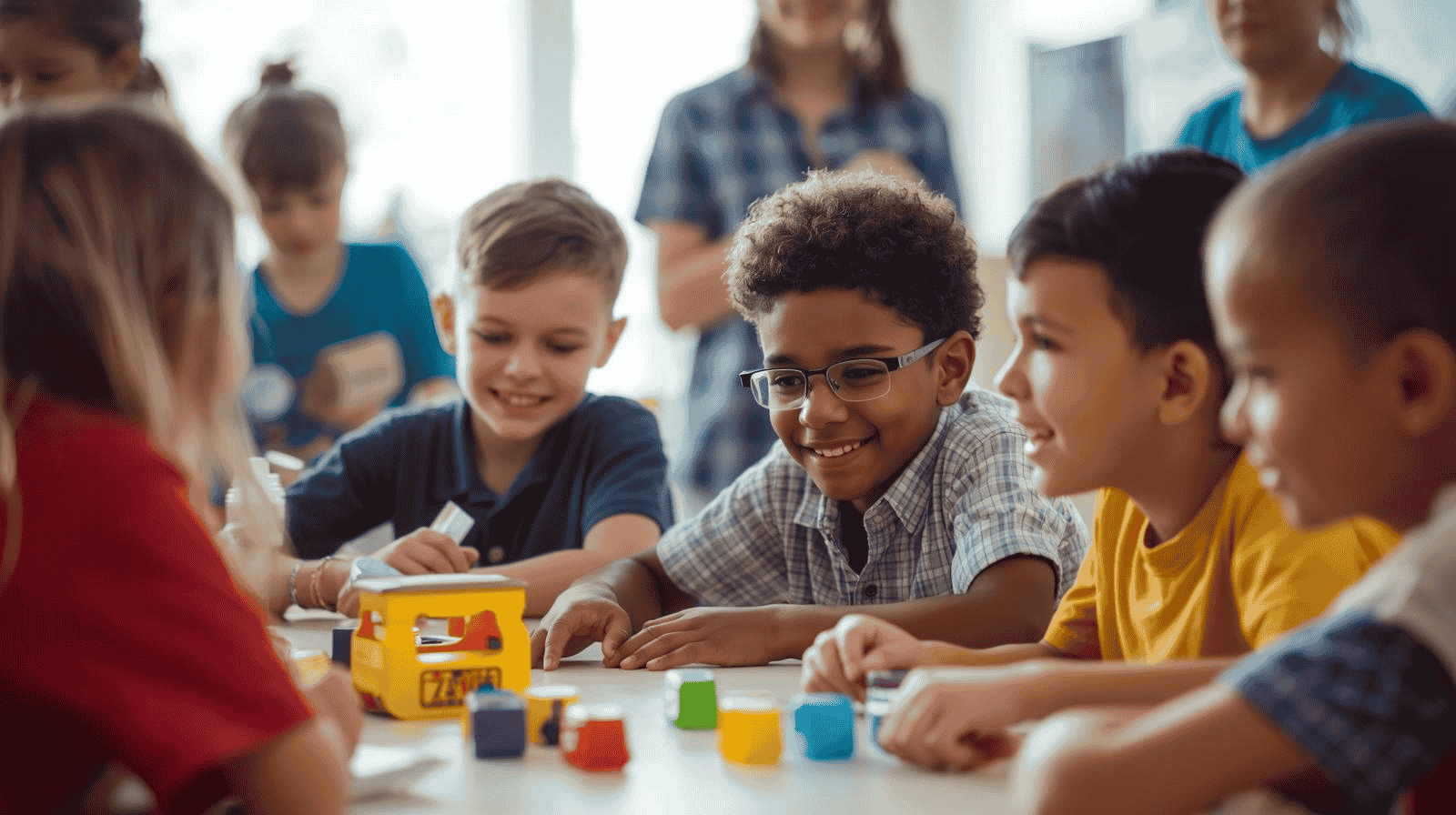
Developing skills for independence is a crucial part of every child’s growth. While classroom learning and structured therapies form the foundation of skill development, the transition to real-world independence requires practice in natural, community settings. Community ABA programs are designed specifically to bridge this gap, offering children the opportunity to apply behavioral strategies in real-life environments under the guidance of trained professionals.
At Able Minds ABA, we understand that children are capable of more than they may initially show. By integrating structured Applied Behavior Analysis (ABA) techniques into community settings, our programs help children develop essential skills that foster independence and confidence.
What Are Community ABA Programs?
Community ABA programs take the principles of ABA therapy outside traditional therapy rooms and into everyday environments such as grocery stores, parks, public transportation, and recreational centers. These programs focus on teaching practical life skills, social interactions, and problem-solving strategies in natural contexts. The main goal is to prepare children for the independence required in real-life scenarios.
Unlike traditional ABA therapy, which may occur in clinics or home-based settings, community programs provide a more dynamic, real-world learning experience. Children are encouraged to generalize skills learned during structured sessions to different settings and situations, which is essential for long-term success.
Key Benefits of Community ABA Programs
1. Real-World Skill Development
Children participating in community programs learn daily living skills, such as ordering food at a café, using public transportation, or paying for items in a store. These experiences are guided by applied behavior analyst therapists, who design individualized teaching strategies to ensure each child can succeed in authentic environments.
2. Improved Social Competence
Social interactions in community settings are varied and unpredictable. Community ABA programs give children the opportunity to practice greetings, turn-taking, conversation skills, and responding to social cues in real-time. By practicing these skills outside the clinic or home, children develop greater confidence in social situations.
3. Enhancing Problem-Solving Abilities
Real-world environments often present unexpected challenges. Community programs provide safe opportunities for children to encounter and resolve problems independently, such as asking for help when lost or managing minor conflicts with peers. This experiential learning is invaluable in building adaptive skills that contribute to independence.
4. Promotes Generalization of Skills
One of the challenges in ABA therapy is ensuring that skills learned in structured sessions generalize to other settings. Community ABA programs are inherently designed for generalization, allowing children to practice skills in multiple environments with varied stimuli and social contexts.
5. Individualized Support
Each child’s journey toward independence is unique. Community programs are tailored to meet individual needs, ensuring children receive the support necessary to succeed. Whether through home ABA therapy Maryland or community-based sessions, therapists work closely with families to create a personalized approach that maximizes skill development.
How Community ABA Programs Work
Community ABA programs typically involve several stages:
- Assessment: Therapists evaluate each child’s current skills, strengths, and areas requiring support. This step helps identify targets for intervention in community settings.
- Goal Setting: Based on assessment findings, individualized goals are set. Goals may include practical skills, social interaction targets, or behavioral objectives specific to community contexts.
- Structured Practice: Children practice skills under the guidance of ABA therapists, initially with more support and gradually with reduced prompts to encourage independence.
- Real-World Application: Once skills are mastered in controlled settings, children transition to practicing them in natural environments. This stage often involves supervised community outings where children encounter real-life challenges.
- Monitoring and Feedback: Therapists track progress, provide feedback, and adjust strategies to ensure continued growth and success.
Role of ABA Agencies Maryland
ABA agencies in Maryland play a significant role in providing community-based programs. These agencies have trained applied behavior analyst therapists who specialize in guiding children through real-world experiences while maintaining a structured approach to learning. Agencies also collaborate with families to ensure consistent reinforcement of skills at home, creating a comprehensive support system that fosters independence.
Integrating Home ABA Therapy Maryland
Home-based ABA therapy complements community programs by providing consistent skill practice in familiar settings. Home ABA therapy Maryland helps reinforce skills learned in the community, creating a bridge between structured and natural learning environments. Families are often trained to implement strategies, allowing children to practice real-world skills at home and during daily routines.
Success Stories: Real-World Independence in Action
Children who participate in community ABA programs often demonstrate significant gains in independence. Tasks such as ordering meals independently, navigating public spaces, or interacting appropriately with peers become achievable goals. These experiences build self-confidence and empower children to handle new challenges with resilience and problem-solving abilities.
For example, a child who initially struggled with grocery shopping may, over time, learn to identify items on a list, request assistance when needed, and handle money transactions independently. Such accomplishments highlight the effectiveness of combining community-based ABA interventions with home therapy support.
Supporting Families Through Community Programs
Family involvement is key to the success of community ABA programs. Therapists work closely with parents and caregivers to ensure continuity of learning and provide guidance on reinforcing skills outside therapy sessions. Families are encouraged to participate in outings, observe strategies in action, and celebrate milestones, creating a collaborative approach that strengthens outcomes.
Why Community ABA Programs Are Essential
Developing independence is more than just acquiring practical skills—it is about fostering confidence, problem-solving abilities, and social competence. Community ABA programs offer children the chance to practice these skills in environments that closely resemble real-life situations, making the transition to independent living smoother and more sustainable.
Moreover, these programs emphasize individualized support, consistent monitoring, and family involvement, creating a holistic framework for skill development. By integrating community ABA programs with home ABA therapy and professional guidance from ABA agencies Maryland, children gain the tools necessary to thrive in everyday life.
Conclusion
Community ABA programs are transformative for children working toward independence. By providing structured yet flexible opportunities to practice real-world skills, these programs help children develop confidence, social competence, and problem-solving abilities essential for independent living. With the guidance of skilled applied behavior analyst therapists, the support of ABA agencies Maryland, and the reinforcement offered through home ABA therapy Maryland, children are empowered to reach their full potential in the community and beyond.
At Able Minds ABA, we believe every child has the capacity to achieve independence. Our community-based ABA programs provide the skills, guidance, and support necessary to help children succeed in real-world environments, preparing them for a life of confidence, competence, and autonomy.
