


When supporting a child’s development, especially in areas like communication, motor skills, and behavior, a single therapy approach may not always be enough. That’s why many families and providers explore a combination of therapies. A common and highly effective strategy is integrating Applied Behavior Analysis (ABA) therapy with occupational and speech therapy. This integration can provide a more well-rounded, individualized support system for a child’s unique needs.
From the first stages of therapy planning, ABA professionals often collaborate with other specialists to ensure that goals across different areas are aligned. In fact, occupational and speech therapy can enhance the effectiveness of ABA therapy by addressing different developmental areas while reinforcing positive behaviors and functional skills.
Understanding Each Therapy’s Role
To understand the benefits of integration, it’s important to recognize what each therapy focuses on:
- ABA Therapy: ABA therapy is focused on improving specific behaviors such as communication, social interactions, daily living skills, and emotional regulation. It uses data-driven techniques and structured environments to reinforce desired behaviors and reduce those that interfere with progress.
- Occupational Therapy (OT): Occupational therapists work to improve a child’s fine motor skills, coordination, balance, and ability to complete everyday tasks independently. These could include dressing, feeding, writing, and grooming.
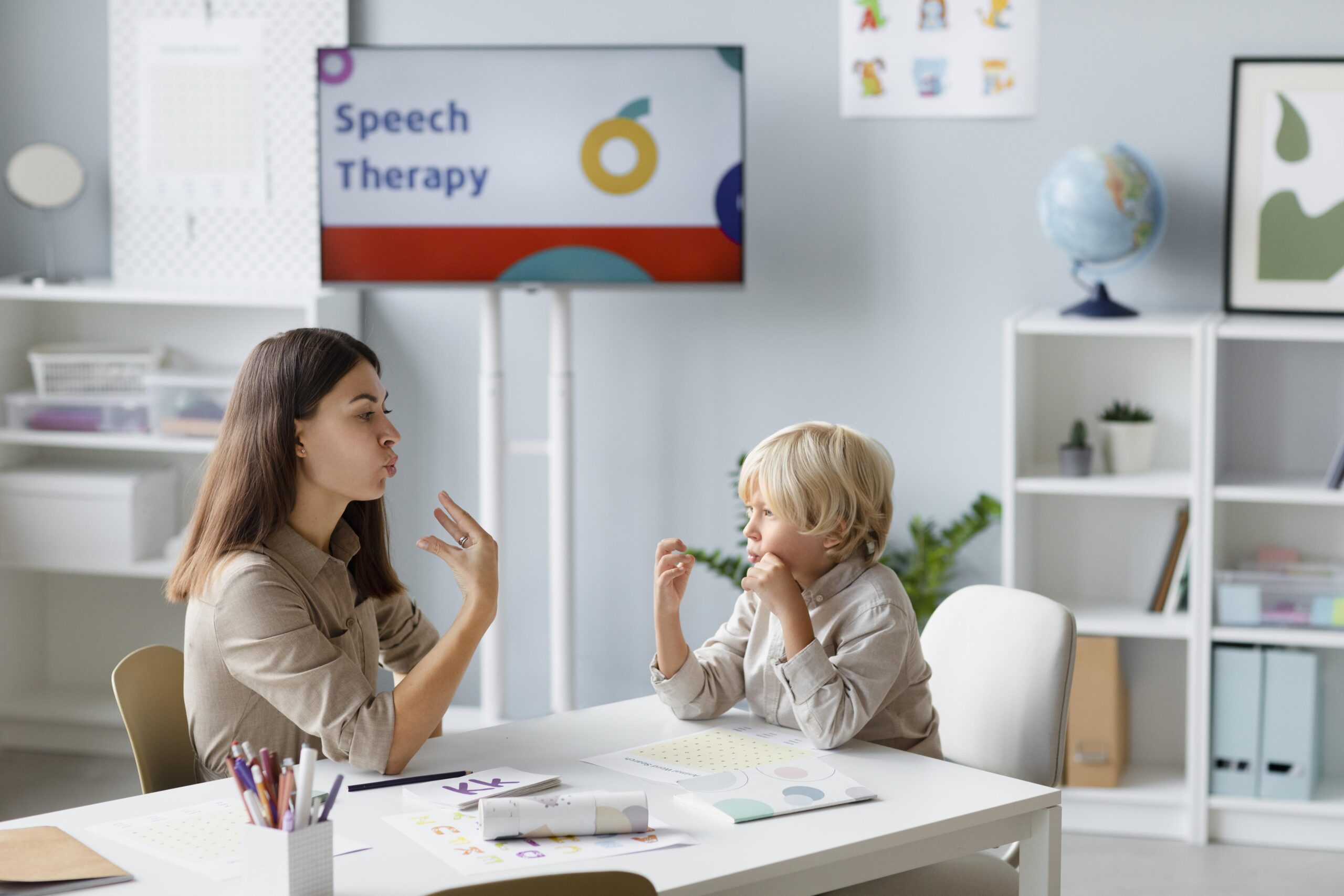
- Speech Therapy (SLP): Speech-language pathologists help children develop verbal and non-verbal communication, language comprehension, articulation, and even oral motor skills involved in eating and swallowing.
When combined, these therapies can support one another to build lasting skills across multiple areas of a child’s life.
Benefits of an Integrated Approach
Unified Treatment Goals
Integrating occupational and speech therapy with ABA allows all therapists to work from the same set of goals, ensuring a consistent message across environments. For example, if a speech therapist is targeting functional communication, the ABA therapist can reinforce those communication methods during behavioral sessions. Similarly, if an occupational therapist is teaching self-care tasks like using utensils, ABA strategies can reinforce these behaviors through repetition and rewards.
Reinforcement Across Settings
One of ABA’s strengths is its use of consistent reinforcement to promote positive behavior. When speech and occupational therapists align their sessions with ABA practices, children receive reinforcement for the same skills in multiple contexts. This increases the chances that a child will generalize and maintain those skills in everyday life.
Whole-Child Development
While ABA therapy is behavior-focused, occupational and speech therapy enhance a child’s physical and communication abilities. This broader focus ensures that improvements in behavior are supported by growth in functional, real-life skills. It also helps children build independence, a major goal for all three disciplines.
Reduced Fragmentation of Services
Rather than working in isolation, therapists who collaborate can share notes, progress reports, and session plans. This reduces the chance of duplicated efforts or contradictory strategies, saving time and reducing confusion for families.

Examples of Integration in Practice
Here are a few ways integration might appear in real-life sessions:
- Communication Goals: A child working on requesting items with a speech therapist can have the same goal embedded into ABA sessions, using visual supports or communication devices as taught by the speech-language pathologist.
- Daily Living Skills: An occupational therapist may develop a plan for toilet training or dressing, which the ABA therapist can support by using prompting and reinforcement strategies throughout the day.
- Motor Coordination Activities: OT can suggest games to improve fine motor control. ABA sessions can then incorporate those games into the reinforcement schedule to increase participation and motivation.
In these examples, occupational and speech therapy work hand-in-hand with ABA principles to ensure maximum impact.
Making Integration Work
To make integration successful, communication among providers is key. Here’s what helps:
- Regular Team Meetings: Scheduled meetings between the ABA team and other therapists ensure everyone stays aligned on goals, challenges, and progress.
- Shared Documentation: Keeping open records that all providers can review helps avoid miscommunication and ensures coordinated care.
- Family Involvement: Parents play a central role. When all therapists communicate consistently with the family, they are better equipped to reinforce strategies at home.
- Respect for Roles: Each therapy discipline brings its own training and value. Collaborative work honors each team member’s expertise while focusing on the shared goal: helping the child succeed.
When Integration May Not Be the Right Fit
Although integration offers many benefits, it’s not always feasible in every situation. Differences in provider availability, insurance coverage, or scheduling conflicts can create barriers. However, even if formal integration isn’t possible, families can still encourage collaboration by:
- Asking therapists to share updates with each other.
- Coordinating therapy goals at home.
- Communicating observed progress or difficulties across sessions.
Conclusion
Combining ABA therapy with occupational and speech therapy allows for a more comprehensive approach to a child’s development. Each therapy targets different areas of need, but when delivered together with shared goals and strategies, they complement one another beautifully. This team-based approach not only helps children achieve more consistent progress but also supports families in managing their child’s development journey.
Reach out to Able Minds ABA today and take the next step in your journey.
