


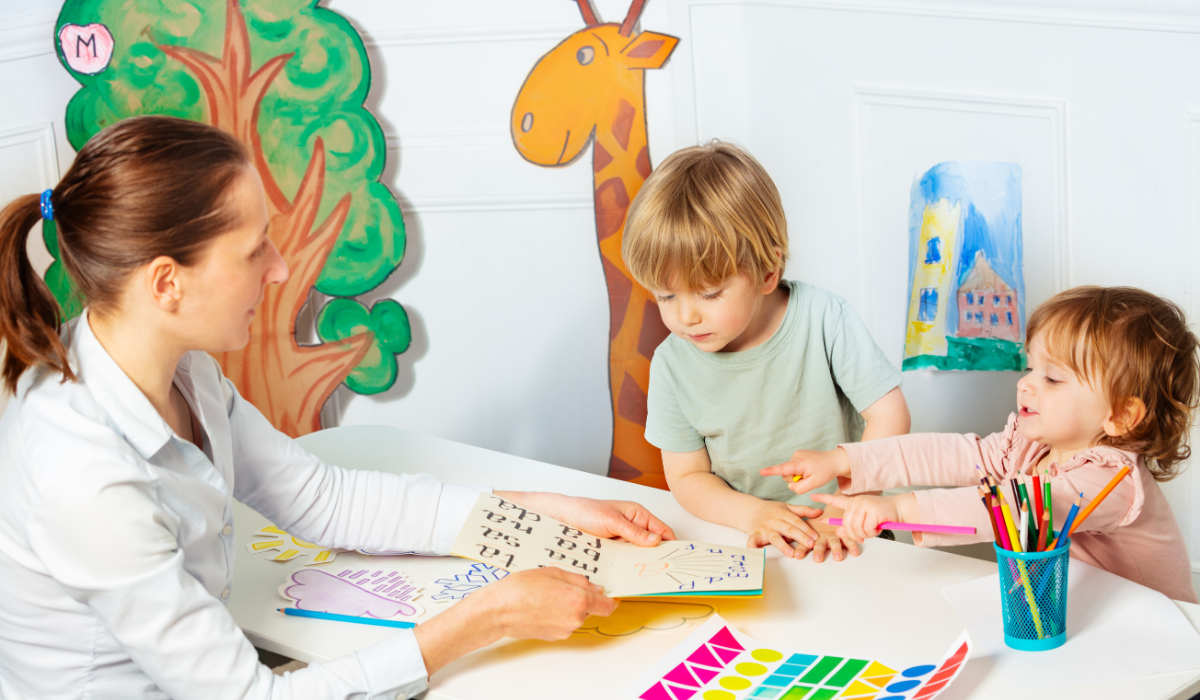
Starting or transitioning into a school environment can be challenging for many children. The structured routines, social expectations, and new learning demands often require adjustments that are not always easy. ABA Therapy has emerged as a valuable support for children to help them navigate these changes more effectively.
By focusing on behavior, communication, and social skills, ABA Therapy offers practical tools and strategies that make school settings more manageable and enjoyable for children.
Understanding the Challenges Children Face in School Settings
School environments can be overwhelming for some children due to the sudden increase in structure, peer interactions, and expectations for independence. Many children may struggle with following classroom rules, engaging appropriately with peers and teachers, or managing transitions between activities. These difficulties can affect not only academic success but also emotional well-being and overall participation in school life.
Teachers and parents often seek effective interventions that can help children build the skills they need to succeed. This is where ABA Therapy plays a crucial role, as it is designed to break down complex tasks into manageable steps, reinforce positive behaviors, and reduce behaviors that interfere with learning and socialization.
How ABA Therapy Supports School Adjustment
ABA Therapy uses evidence-based techniques to encourage desired behaviors through consistent reinforcement while minimizing behaviors that create barriers. This approach can be customized to fit each child’s unique needs, making it especially effective for supporting adjustments to new or challenging environments like school.
Skill Building for Independence: One of the primary goals of ABA Therapy is to increase a child’s independence. In a school context, this can mean learning how to follow classroom routines, complete assignments, ask for help, or manage personal needs like organizing materials or using the restroom independently. ABA programs focus on teaching these skills step-by-step and practicing them repeatedly until they become second nature.
Improving Communication and Social Interaction: School settings require children to communicate effectively with teachers and peers. ABA Therapy helps improve communication skills through methods that encourage appropriate verbal and non-verbal exchanges. It also teaches social skills such as sharing, taking turns, and understanding social cues, which are vital for making friends and participating in group activities.
Managing Transitions and Change: Many children find transitions between activities or changes in routine difficult. ABA Therapy includes strategies like visual schedules, timers, and rehearsal of upcoming changes to ease anxiety and prepare children for what to expect. This preparation can significantly reduce behavioral disruptions related to transitions.
Reducing Challenging Behaviors: Some children may exhibit behaviors that interfere with their ability to learn or engage socially in school. ABA Therapy identifies triggers and develops replacement behaviors that serve the same function but are more appropriate. For example, a child who struggles with waiting their turn may be taught to use a signal or ask for help instead of acting out.
Collaboration with Schools and Educators
ABA Therapy’s impact is maximized when there is a strong partnership between therapists, families, and school staff. Therapists can work directly in the school setting or train educators and aides to implement consistent strategies throughout the day. This collaboration ensures that skills learned in therapy translate to real-world school experiences.
Moreover, individualized education plans (IEPs) often include ABA techniques or goals derived from ABA principles, highlighting the growing recognition of this therapy as a valuable resource for supporting students in educational settings.

Benefits Beyond Academics
Adjusting better to school isn’t just about academics—it’s about the child’s overall happiness, confidence, and social development. ABA Therapy contributes to improving a child’s emotional regulation and self-control, which helps reduce stress and frustration at school. As children become more successful in following routines and communicating needs, they often experience a boost in self-esteem and motivation.
Parents also notice improvements in home routines and sibling interactions, as the positive behaviors practiced at school and therapy carry over into family life. This holistic benefit supports a child’s growth across environments.
Who Can Benefit from ABA Therapy in Schools?
While ABA Therapy is widely known for its use in clinical settings, many children who face challenges in school can benefit from its principles. Children who have difficulty with attention, behavioral regulation, social skills, or adapting to new routines may find ABA techniques especially helpful.
Therapists customize programs to focus on the areas that impact school success the most. Whether it’s increasing on-task behavior, improving communication, or managing emotional responses, ABA Therapy offers flexible support tailored to the child’s needs.
What to Expect When Starting ABA Therapy for School Adjustment
Starting ABA Therapy involves an initial assessment to identify the child’s strengths, challenges, and specific goals related to school. Therapists then design a personalized intervention plan that includes measurable objectives and clear strategies.
Therapy sessions can take place in various settings—home, school, or therapy centers—and often involve a combination of one-on-one work and group activities. Progress is regularly monitored and communicated with parents and educators to ensure goals are being met and adjustments can be made as needed.
Final Thoughts
ABA Therapy is a powerful tool for helping children adjust better to school settings by promoting independence, improving social and communication skills, and reducing behaviors that interfere with learning. With the right support, children can thrive academically and socially, setting a strong foundation for lifelong success.
Reach out to Able Minds ABA today and take the next step in your journey.
