


Social connections are essential for emotional well-being and personal development. For many children, making friends and navigating social environments come naturally. However, some children face barriers that make it difficult to connect with peers. They may struggle with reading facial expressions, understanding nonverbal cues, or joining in group activities. These challenges can lead to social isolation, low self-esteem, and a reluctance to engage with others. Fortunately, Applied Behavior Analysis (ABA) offers structured, evidence-based strategies to help children build vital social skills and break the cycle of isolation.
Understanding Social Skills Challenges
Social skills encompass a broad range of behaviors, including starting conversations, listening, taking turns, making eye contact, sharing, and responding appropriately in social situations. When a child lacks these skills, they may find themselves on the outside of group activities, unsure of how to interact or respond. This can lead to repeated negative experiences in school, on the playground, or even within the family, reinforcing feelings of loneliness. Through autism ABA therapy Maryland, children can receive structured support to build these essential skills and gain the confidence to connect with others more effectively.
These challenges are not due to a lack of interest in socializing, but rather a gap in understanding how to connect. This is where ABA can make a meaningful difference.
How ABA Supports Social Development
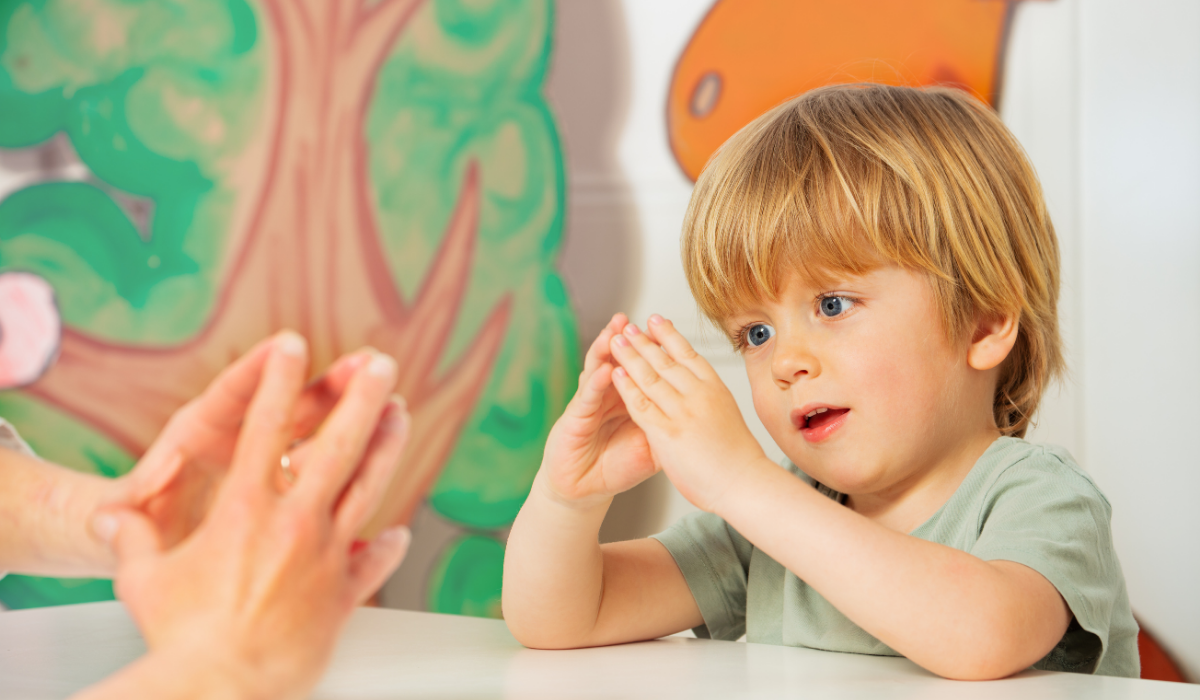
ABA therapy focuses on understanding behavior and using positive reinforcement to teach new skills. When applied to social skill development, ABA programs are tailored to each child’s unique strengths and needs. Behavior therapists use clear, step-by-step instruction, modeling, role-play, and feedback to help children learn and practice appropriate social behaviors.
Some core strategies used in ABA for social skill training include:
- Discrete Trial Training (DTT): A structured approach that breaks down complex social behaviors into smaller, teachable components. For instance, learning how to greet a peer may involve practicing eye contact, smiling, and saying “hello” in sequence.
- Natural Environment Teaching (NET): This involves teaching social skills in settings where they naturally occur, like during play or group activities, allowing the child to apply what they learn in real-world scenarios.
- Video Modeling and Social Scripts: Therapists use videos or written prompts to demonstrate how to behave in different social situations. These tools offer predictable examples that help children rehearse interactions.
- Peer-Mediated Interventions: Children practice skills with trained peers, which provides opportunities for real social engagement while still receiving guidance and support.
Building Confidence Through Practice
One of the biggest advantages of ABA-based social skills training is that it allows children to learn through repetition and reinforcement in a supportive environment. Rather than being corrected for a misstep in a social situation, they are encouraged and praised for positive efforts. This focus on success builds confidence and helps reduce anxiety around peer interactions.
Children are more likely to initiate play, participate in conversations, or join group tasks when they feel capable and prepared. With continued practice, these newly learned skills begin to generalize to natural settings like school, home, and the community.
Preventing Social Withdrawal
Without intervention, children who struggle socially may begin to withdraw from others altogether. They may stop trying to make friends or engage with classmates, which can impact not only their emotional health but also academic performance and future independence. ABA intervention helps prevent this by proactively teaching the skills necessary to succeed in social environments.
Importantly, ABA therapy doesn’t expect a child to “fit in” by changing who they are. Instead, it focuses on empowering the child to express themselves, understand others, and build meaningful relationships on their own terms.
The Role of Families and Caregivers
Parents and caregivers play a key role in reinforcing social skills outside of therapy sessions. ABA therapists often include family training to ensure that strategies are used consistently at home and in the community. Practicing skills during mealtimes, family outings, or neighborhood playdates helps children apply what they’ve learned in therapy to everyday life.
When families, therapists, and educators work together, children have a greater chance of long-term success in forming and maintaining relationships.
About Us
At Able Minds ABA, we are here to provide personalized, supportive, and effective ABA therapy services to help your child build essential social and life skills. Contact us today to learn more.
Final Thoughts
Social connections are foundational to a fulfilling life, and every child deserves the opportunity to form meaningful bonds with others. Through structured, personalized, and compassionate approaches, ABA therapy helps children build the social skills they need to thrive. By breaking the cycle of isolation, we open the door to friendship, belonging, and a brighter future.
