


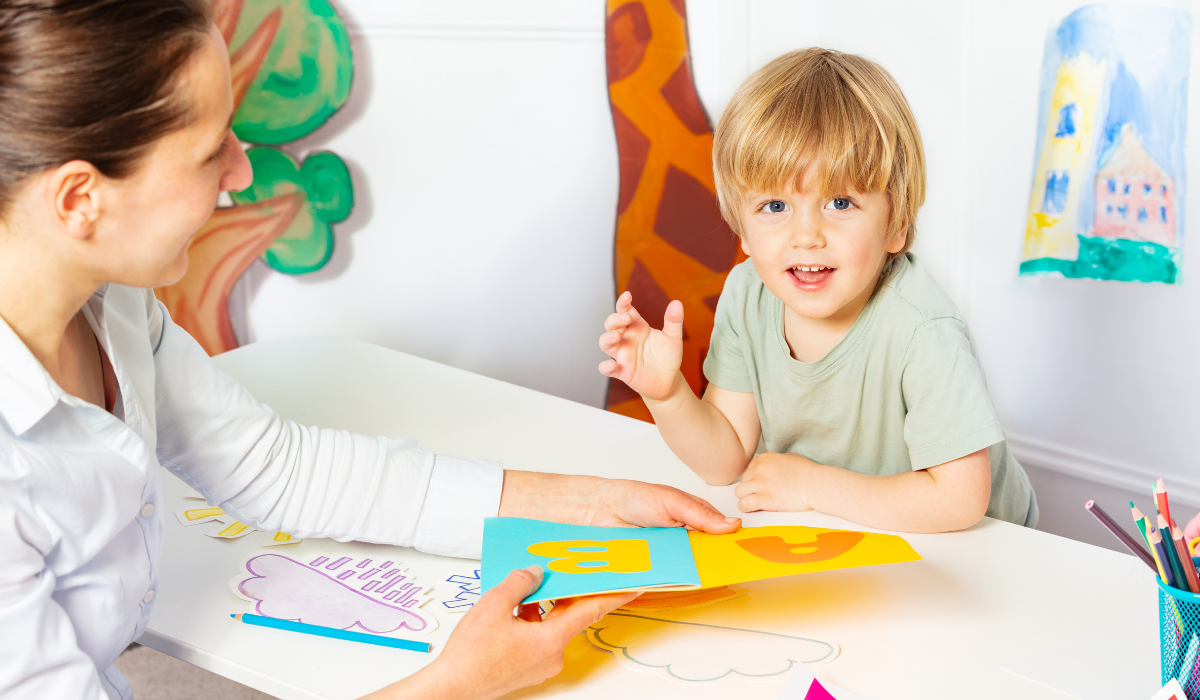
Helping a child with autism build strong, meaningful social skills can be a long journey—but it’s a path filled with progress, connection, and hope. Whether it’s making a new friend, joining a group game, or simply saying “hello,” these are important steps toward greater independence and confidence.
Many children on the autism spectrum face unique challenges when it comes to social interaction. They may avoid eye contact, have trouble reading facial expressions, or struggle to take turns in conversation. But with the right strategies and support—especially through ABA therapy for autism—these skills can be taught and nurtured over time.
This guide is here to walk you through the why, the how, and the practical ways to build social skills for kids with autism, using evidence-based tools that actually work.
Why Are Social Skills Important for Children with Autism?
Social skills allow us to form relationships, solve problems, and communicate emotions—all essential parts of everyday life. For children with autism, these abilities may develop more slowly or differently.
That doesn’t mean they lack the desire to connect. In many cases, they simply need more structured teaching and consistent practice to build these skills.
Learning to interact with others can improve:
- Self-confidence
- Emotional regulation
- Academic performance
- Daily communication
- Future independence
And most importantly, it opens the door to meaningful relationships.
Common Social Challenges for Kids with Autism
Every child on the spectrum is different, but many experience similar struggles when it comes to social behavior:
- Limited eye contact or facial expression
- Difficulty understanding personal space
- Trouble interpreting tone of voice or sarcasm
- Difficulty sharing or taking turns
- Limited conversational skills (starting or maintaining a conversation)
- Preference for solo play or repetitive activities
- Difficulty with pretend or imaginative play
These challenges aren’t character flaws—they’re part of how a child experiences the world. And with the right support, they can be addressed and improved over time.
This is where ABA therapy for autism becomes an essential part of the solution.
How ABA Therapy for Autism Helps Build Social Skills
Applied Behavior Analysis (ABA) is one of the most trusted and widely used approaches for helping children with autism learn new behaviors—including social skills.
So, how does ABA therapy for autism specifically help with social development?
1. Breaks Down Skills into Simple Steps
Instead of expecting a child to “be social” all at once, ABA breaks down skills into manageable steps. For example:
- Step 1: Making eye contact
- Step 2:Smiling
- Step 3: Saying “hello”
Each step is taught through repetition and reinforcement until it becomes natural.
2. Uses Positive Reinforcement
Children are rewarded for positive social behavior—like sharing, waiting, or initiating play—which helps them understand that these actions lead to positive outcomes.
3. Teaches Replacement Behaviors
If a child usually grabs a toy without asking, ABA helps teach how to ask for a turn instead. This helps reduce frustration and teaches respectful social habits.
4. Focuses on Generalization
Skills aren’t just taught in a controlled therapy setting—they’re practiced in real-life scenarios, so the child can apply them in school, home, or community settings.
5. Supports Long-Term Growth
As the child develops, goals evolve. ABA therapists continue to adjust the plan to meet new social challenges at different stages of growth.
This personalized, adaptive approach makes ABA therapy for autism incredibly effective—not just for basic skills but for deep, meaningful social learning.
Effective Strategies to Build Social Skills in Kids with Autism
While ABA therapy for autism forms a strong foundation, it works best when paired with everyday support from parents, teachers, and caregivers. Here are some powerful strategies that can be used at home or in school:
1. Use Modeling and Everyday Interaction
Children learn a lot by watching. Model behaviors like:
- Waving hello or goodbye
- Saying “thank you”
- Waiting patiently in line
Talk through your actions aloud so your child understands what’s happening and why:
“I’m saying hi to the neighbor because I want to be polite.”
Even small, daily moments offer big opportunities for learning.
2. Create Social Stories
Social stories are short, personalized narratives that help children understand specific social situations, like:
- Going to a birthday party
- Asking a teacher for help
- Playing at recess
They explain what to expect, how to act, and how others might feel. This reduces anxiety and prepares the child to participate more confidently.
3. Practice with Role-Playing
Role-playing lets your child “try out” different social situations in a safe space. You can act out:
- Introducing themselves
- Sharing toys
- Dealing with someone saying “no”
Practicing these interactions ahead of time makes it easier for children to respond appropriately when it happens in real life.
4. Use Visual Aids and Charts
Visual cues like picture cards, emotion wheels, and first-then charts are helpful for teaching new skills and supporting memory.
For example:
- A feelings chart helps identify and label emotions
- A turn-taking visual reminds them whose turn it is during a game
Visual aids reduce confusion and provide consistent structure for learning.
5. Encourage Peer Interaction in Small Groups
Children often learn best from peers. Start with small, structured groups (2–3 children) and specific, low-pressure activities like:
- Building blocks
- Drawing together
- Matching games
Make sure the environment is calm and adult-supported to prevent overwhelm. Gradually increase the complexity as your child builds confidence.
6. Praise Effort, Not Just Results
Not every interaction will go perfectly—and that’s okay. Praise small wins:
- Trying to say “hi,” even if it’s whispered
- Looking in someone’s direction
- Waiting 3 seconds before grabbing a toy
These small efforts pave the way for bigger successes.
7. Use Technology as a Support Tool
Autism-friendly apps can help children learn facial expressions, social rules, and conversation starters in an engaging, interactive way. While screen time should be limited, these tools can be a great supplement to therapy and practice.
Used wisely, they can turn everyday screen time into meaningful learning moments that reinforce real-world social skills.
Why Early Intervention Matters
The earlier a child begins learning social skills, the more opportunities they have to develop healthy relationships, build confidence, and navigate the world successfully.
ABA therapy for autism is especially impactful when started at a young age. But it’s never too late to begin. Even older children and teenagers can benefit from targeted social skills training and guided support.
The key is consistency, encouragement, and a plan tailored to your child’s needs. When families, therapists, and educators work together, progress becomes not just possible—but powerful.
Social Skills Are Lifelong Skills
Teaching social skills isn’t just about helping your child “fit in.” It’s about empowering them to build friendships, express themselves, and feel connected to others. These are skills they’ll use throughout their lives—in school, in work, and in relationships.
ABA therapy for autism offers a long-term approach to mastering these critical life skills. It doesn’t happen overnight—but with the right tools, consistent practice, supportive guidance, and a patient environment, progress is always possible—no matter where your child starts.
Each small step forward builds the foundation for a more confident and independent future. And with time, your child can learn not just to cope—but to truly thrive.
Final Thoughts
Social skills don’t come naturally to every child—but with empathy, structure, and the right strategies, they can be learned.
Whether your child is just starting to make eye contact or working on joining group activities, every step forward matters. ABA therapy for autism offers a research-backed, flexible way to help children learn how to interact, connect, and thrive socially.
Keep showing up. Keep practicing. Keep believing in your child’s ability to grow. Because they can do it—and so can you.
FAQ’s
What social skills do children with autism need the most help with?
Children with autism often need support with skills like making eye contact, starting conversations, sharing, taking turns, understanding emotions, and interpreting body language. ABA therapy for autism targets these areas with structured lessons and real-world practice.
Is ABA therapy effective for teaching social skills to older children?
Yes, ABA therapy can be effective at any age. While early intervention is ideal, older children and even teens can benefit from personalized ABA programs that focus on age-appropriate social interaction and emotional development.
How long does it take to see results from ABA therapy for social skills?
Results vary depending on the child’s starting point, the frequency of therapy, and the consistency of practice at home. Some children show progress within weeks, while others may need several months. ABA therapy is a long-term process that builds skills step by step.
Can parents help reinforce ABA therapy for autism at home?
Absolutely! Parents play a crucial role in reinforcing what children learn in therapy. ABA providers often offer parent training to help you use strategies like positive reinforcement, modeling, and visual supports in daily life.
Do all children with autism need ABA therapy to develop social skills?
Not necessarily, but many benefit from it. Some children may make progress through speech therapy, occupational therapy, or social skills groups. However, ABA therapy for autism provides a structured, individualized approach that’s highly effective for teaching and reinforcing social behaviors.
