


What methods and strategies are used in ABA therapy to support social interaction?
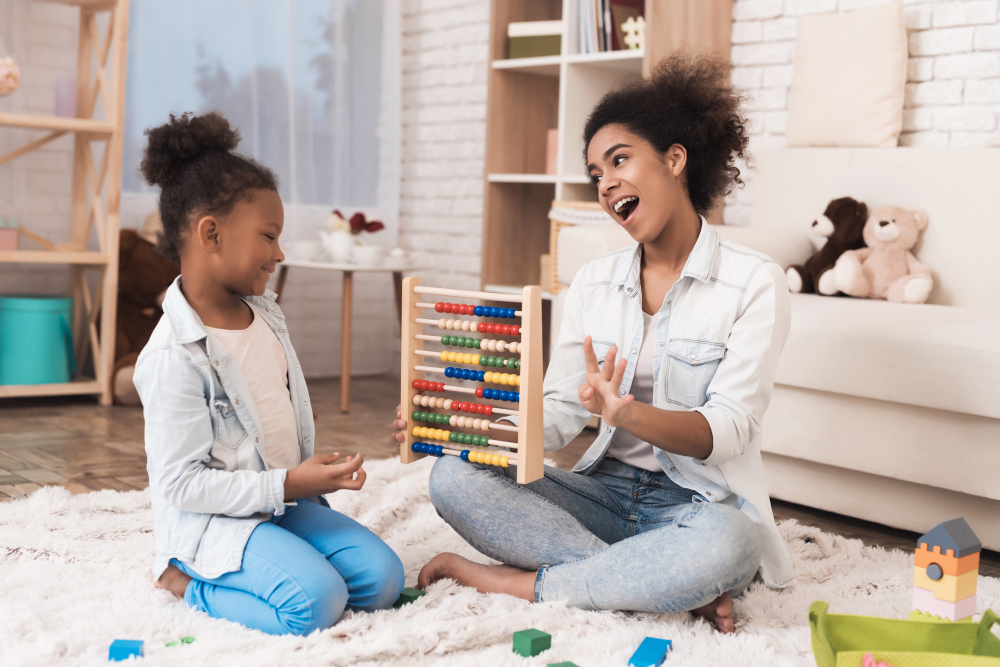
ABA therapy employs a variety of effective methods to help children with autism develop better social skills. One fundamental approach involves modeling social behaviors, where therapists demonstrate appropriate interactions such as eye contact, sharing, and turn-taking. Children often learn by observing these behaviors and imitating them.
Role-playing activities are also a staple, allowing children to practice social scenarios in a safe, controlled environment. This can include pretending to have a conversation, express emotions, or navigate social rules. To support understanding of emotional cues and social context, therapists utilize social stories and social scripts. These are visual or written narratives that guide children through specific social situations, explaining what to do and how to interpret others’ actions.
In addition to these targeted strategies, ABA incorporates both structured and naturalistic teaching methods. Discrete Trial Training (DTT) offers highly structured, repeated learning opportunities focusing on specific skills like reciprocal conversation or turn-taking. Natural Environment Teaching (NET) emphasizes learning within real-life settings, encouraging children to apply skills during everyday routines and activities.
Group activities, such as social skills groups, create communal opportunities for practice. Visual aids, including comic strip conversations, social stories, and checklists, assist children in recognizing social cues, understanding emotions, and following social rules.
Fundamentally, reinforcement—praise, tokens, or other motivators—is used to encourage desired behaviors. Therapists set personalized goals and regularly collaborate with caregivers to promote skill transfer across settings. All these methods aim to foster meaningful social engagement and ensure learned behaviors are maintained over time.
What techniques are used in ABA therapy to support social interaction?
Therapists implement techniques like modeling, role-playing, and use of visual supports to teach social skills effectively. Discrete Trial Training provides targeted, repetitive practice, while Natural Environment Teaching brings skills into everyday contexts.
Group activities offer real-life social practice, and visual tools help children grasp complex social cues. Reinforcement strategies motivate children, and ongoing collaboration with families helps reinforce skills across various environments. These combined techniques help children with autism develop essential social skills for greater inclusion and independence.
