


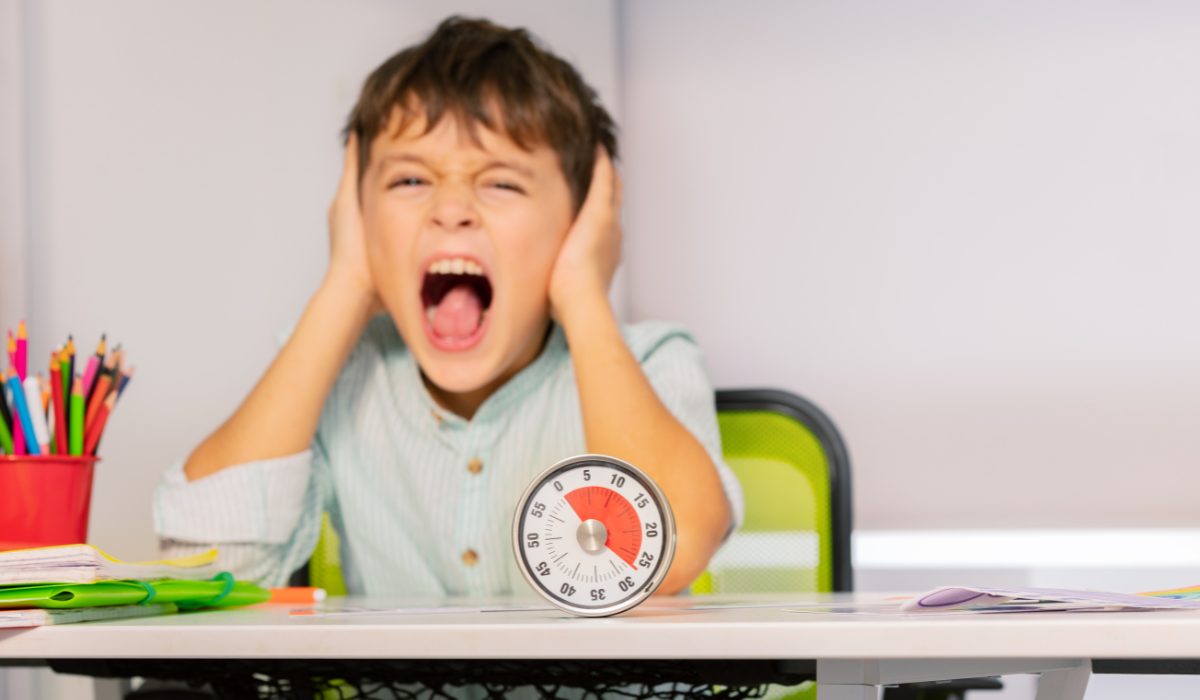
Children experience emotions deeply, but some children struggle more than others when handling frustration, disappointment, or change. These emotional reactions may appear intense, frequent, or difficult to calm. Understanding why certain children get upset easily is the first step toward helping them build emotional strength and confidence. Families seeking professional support often explore services such as ABA therapy in Calvert to help children develop healthier emotional responses and long-term coping skills.
Understanding Emotional Sensitivity in Children
Some children react strongly to situations that others may handle with ease. This heightened emotional response is not a sign of poor behavior or parenting. Instead, it reflects how a child processes feelings, expectations, and environmental demands.
Children who become upset quickly may struggle with frustration tolerance, emotional regulation, or communication. When they cannot express their needs clearly or understand what is expected, emotional reactions may escalate.
Emotional sensitivity can be influenced by temperament, early life experiences, or developmental differences. Each child’s emotional makeup is unique, which means support strategies must be personalized rather than one-size-fits-all.
Common Triggers That Lead to Emotional Outbursts
Children who become upset easily often respond to specific triggers. Recognizing these triggers can help caregivers prevent emotional overload and respond more effectively.
Unexpected changes in routines, transitions between activities, or unclear instructions can cause stress. Children may also struggle when tasks feel too difficult or when they experience perceived failure.
Social misunderstandings, waiting for turns, or being unable to express feelings verbally can also lead to emotional reactions. These situations create frustration that builds quickly when a child lacks effective coping strategies.
Why Emotional Regulation Is Difficult for Some Children
Emotional regulation is a skill that develops over time. Some children need more structured guidance to learn how to identify emotions, pause before reacting, and choose appropriate responses.
Children who struggle with regulation may feel overwhelmed by emotions they do not fully understand. Without tools to manage those feelings, emotional responses may appear sudden or extreme.
When emotional regulation skills are underdeveloped, children often rely on emotional reactions as their primary form of communication. This can lead to repeated outbursts that affect learning, relationships, and confidence.
The Impact of Emotional Outbursts on Daily Life
Frequent emotional reactions can interfere with a child’s ability to participate in daily routines. School tasks, family outings, and peer interactions may become stressful rather than enjoyable.
Children may avoid challenging situations due to fear of emotional discomfort. Over time, this avoidance can limit independence and slow skill development.
For families, repeated emotional struggles can create stress and uncertainty. Caregivers may feel unsure how to respond or worry about their child’s long-term success.
How Structured Behavioral Support Helps Children Cope
Professional behavioral support focuses on teaching children how to understand emotions and respond in healthier ways. This approach emphasizes skill-building rather than punishment.
Through consistent guidance, children learn to recognize emotional signals early and apply coping techniques before emotions escalate. These skills help reduce emotional reactions over time.
Behavioral strategies also help caregivers respond consistently, creating predictable environments that support emotional growth and stability.
How ABA Therapy Supports Emotional Development
ABA Therapy provides a structured, evidence-based approach to understanding and improving emotional responses. By observing behavior patterns, therapists identify why emotional reactions occur and what skills need strengthening.
Individualized plans focus on teaching emotional awareness, communication strategies, and appropriate coping responses. Skills are taught gradually and practiced across different environments.
With consistent reinforcement, children learn that calm responses lead to positive outcomes. Over time, emotional reactions become more manageable and predictable.
Teaching Communication as a Tool for Emotional Expression
Many emotional reactions occur because children struggle to communicate needs or feelings effectively. Teaching communication skills reduces frustration and helps children feel understood.
Therapists use structured teaching methods to help children express wants, needs, and emotions clearly. This may include verbal language, visual supports, or alternative communication systems.
As communication improves, emotional reactions often decrease because children no longer need emotional responses to convey distress or needs.
Building Coping Skills for Everyday Challenges
Coping skills help children manage frustration when situations do not go as expected. These skills include waiting, asking for help, and using calming strategies.
ABA Therapy teaches coping skills through repetition, modeling, and positive reinforcement. Children practice these skills in controlled settings before applying them in real-life situations.
Over time, children gain confidence in handling challenges independently, reducing emotional reactions and improving resilience.
The Role of Consistency in Emotional Growth
Consistency is essential when teaching emotional regulation skills. Children learn best when expectations and responses remain predictable.
Behavioral programs emphasize consistent routines, clear expectations, and structured reinforcement. This consistency helps children feel safe and supported.
Families often choose in-home ABA services because they allow emotional regulation strategies to be practiced in familiar environments, reinforcing learning throughout the day.
Generalizing Emotional Skills Across Settings
Children must be able to apply emotional skills beyond therapy sessions. Skills learned in one setting must transfer to home, school, and community environments.
Therapists work closely with families to ensure strategies are practiced consistently. This collaboration helps children understand that emotional skills are useful everywhere, not just during sessions.
Access to in-home ABA services near me makes it easier for families to maintain consistency and reinforce emotional skills throughout daily routines.
Long-Term Benefits of Emotional Skill Development
When children learn how to manage emotions effectively, they gain confidence and independence. Emotional stability supports learning, social interaction, and overall well-being.
Children who develop emotional regulation skills are better prepared to handle challenges as they grow. These skills form the foundation for future success in relationships, education, and daily life.
With the right support, emotional sensitivity becomes a strength rather than a limitation.
Conclusion
Children who get upset easily are not misbehaving—they are communicating unmet needs or skill gaps. With structured guidance, patience, and consistency, children can learn how to manage emotions and respond calmly to challenges. ABA Therapy provides practical tools that help children build emotional awareness, communication skills, and coping strategies that last a lifetime.
At Able Minds ABA, we know your child is capable of more, and we’re here to show you what children with autism can do. Our expert ABA therapy builds skills for a successful life.
FAQs
Why do some children get upset more easily than others?
Some children experience emotions more intensely and may have difficulty managing frustration, disappointment, or unexpected changes. This can happen when emotional regulation skills are still developing or when children struggle to communicate their needs clearly.
Is getting upset easily a behavior problem or a skill gap?
In most cases, it is a skill gap rather than intentional behavior. Children who react strongly often lack coping strategies, emotional awareness, or communication tools needed to handle challenging situations calmly.
How does ABA Therapy help children manage emotional outbursts?
ABA Therapy focuses on understanding why emotional reactions occur and teaching practical skills such as emotional awareness, communication, and coping strategies. These skills help children respond more calmly over time.
Can emotional regulation skills be taught at home?
Yes, emotional regulation skills can be effectively taught in a familiar environment. Many families choose structured support that allows children to practice these skills during daily routines, increasing consistency and success.
How long does it take to see improvement in emotional behavior?
Progress varies depending on the child’s needs, consistency of practice, and support level. Some children show improvements within weeks, while others benefit from gradual, long-term skill development.
Do parents play a role in emotional skill development?
Absolutely. Caregiver involvement is essential. When families use the same strategies taught during therapy, children learn faster and apply skills more consistently across settings.
What skills are commonly taught to reduce emotional reactions?
Common skills include identifying emotions, asking for help, waiting appropriately, following instructions, and using calming strategies. These skills help children manage frustration in everyday situations.
Can emotional outbursts affect learning and social development?
Yes, frequent emotional reactions can interfere with learning, relationships, and confidence. Addressing emotional regulation early helps children participate more successfully in academic and social activities.
Is individualized support important for emotional growth?
Yes, every child’s emotional needs are different. Individualized plans ensure that strategies match the child’s abilities, strengths, and daily challenges for better outcomes.
How does consistency improve emotional regulation skills?
Consistency helps children understand expectations and feel secure. When responses and routines remain predictable, children are more likely to use learned coping strategies effectively.
Are emotional regulation skills long-term benefits?
Yes, emotional regulation skills support independence, confidence, and resilience throughout life. These skills help children manage stress, solve problems, and adapt to new situations as they grow.
Can emotional regulation skills help reduce daily stress at home?
Yes, when children learn how to manage emotions effectively, daily routines become smoother. Improved emotional regulation reduces frustration during tasks like transitions, following instructions, and completing activities, creating a calmer home environment.
Why is early support important for children who get upset easily?
Early support helps children build emotional skills before challenges become habits. Teaching coping and communication strategies at a young age allows children to handle frustration more confidently and develop stronger emotional control over time.
