


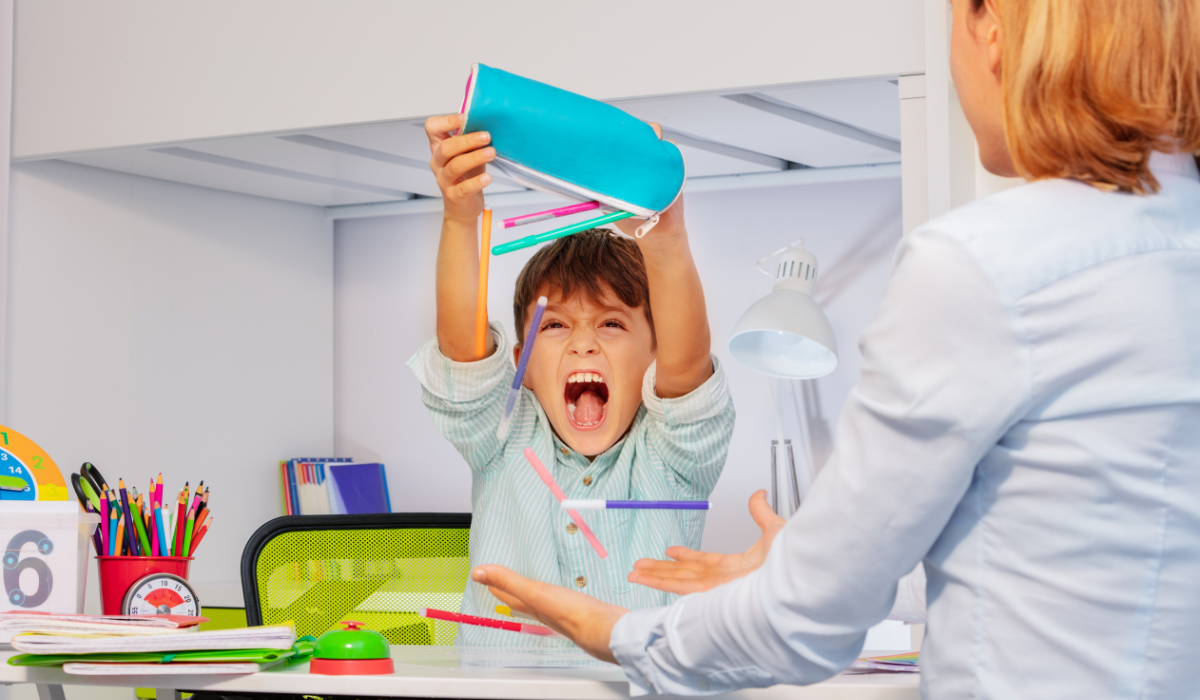
Helping children understand what is safe and what is not can be challenging, especially when safety rules feel abstract or confusing. Many children struggle to identify danger, respond appropriately, or communicate when something feels wrong. With structured guidance and consistent practice, children can develop stronger safety awareness. Families seeking ABA therapy in Dorchester County often look for proven methods that help children recognize unsafe situations and respond with confidence.
Why Recognizing Unsafe Situations Is a Critical Life Skill
Understanding danger is not instinctive for every child. Unsafe situations can appear in many forms, such as interactions with unfamiliar people, hazardous environments, or unexpected events. Without clear instruction, children may not recognize warning signs or may freeze when action is required.
Safety awareness supports independence, emotional regulation, and confidence. When children learn to identify unsafe situations early, they are more likely to make informed choices, ask for help, and protect themselves in daily life. Building these skills requires repetition, clarity, and positive reinforcement.
How Behavioral Teaching Supports Safety Awareness
Children learn best when lessons are broken down into simple, understandable steps. Structured behavioral teaching focuses on observable actions and real-life practice rather than abstract explanations.
Skills such as recognizing danger, stopping unsafe behavior, and seeking support are taught gradually. Each step is reinforced until the child demonstrates understanding and consistency. This approach allows children to move from guided learning to independent decision-making over time.
Teaching Children to Identify Unsafe Environments
One of the first steps in safety education is helping children recognize unsafe places. This may include busy streets, unfamiliar buildings, or areas without trusted supervision.
Children are taught visual cues and environmental signals that suggest danger. Through repeated exposure and practice, they begin to understand which environments require caution and which are considered safe. Over time, children gain confidence navigating their surroundings while maintaining appropriate awareness.
Understanding Unsafe Interactions With Others
Unsafe situations are not always physical environments. Interactions with unfamiliar individuals or unexpected behavior from others can also pose risks. Children may struggle to recognize when an interaction crosses personal boundaries or feels uncomfortable.
Through role-based learning and clear examples, children are taught how to distinguish safe interactions from unsafe ones. They learn when to say no, when to leave, and when to seek help from a trusted adult. These lessons empower children to trust their instincts while following clear safety guidelines.
Using Real-Life Scenarios for Effective Learning
Abstract explanations often fail to connect with children. Real-life scenarios help bridge the gap between instruction and action.
By practicing common safety situations in controlled environments, children learn how to respond calmly and effectively. These scenarios may include crossing streets safely, responding to emergencies, or handling unexpected encounters. Practicing responses repeatedly helps build confidence and reduces panic in real situations.
Encouraging Clear Communication During Unsafe Moments
Recognizing danger is only part of safety awareness. Children must also know how to communicate when something feels wrong.
Behavior-based teaching emphasizes expressive communication, helping children ask for help, report concerns, and describe what happened. This reduces frustration and ensures adults can respond quickly and appropriately when support is needed.
Reinforcing Safe Decision-Making Skills
Decision-making plays a major role in personal safety. Children are taught how to pause, assess situations, and choose safer alternatives.
Through positive reinforcement, children learn that making safe choices leads to positive outcomes. Over time, these reinforced behaviors become habits that guide daily actions, even without reminders.
Gradual Skill Development for Long-Term Success
Safety skills are not taught all at once. They are introduced gradually and reinforced over time. Each child progresses at their own pace, ensuring mastery before moving on to more complex situations.
This step-by-step process allows children to build confidence without feeling overwhelmed. As skills strengthen, children become more independent and better prepared to handle new challenges safely.
Consistency Across Home and Community Settings
Children benefit most when safety lessons are consistent across environments. Skills learned during structured sessions should be reinforced at home, school, and in the community.
Caregivers are often guided on how to support safety lessons during everyday routines. This consistency helps children generalize their skills and apply them naturally in real-world situations. Families searching for an ABA therapist near me often value this collaborative approach that extends learning beyond sessions.
Building Confidence Through Positive Reinforcement
Confidence is essential for recognizing and responding to unsafe situations. When children feel supported and encouraged, they are more likely to act appropriately rather than freeze or ignore danger.
Positive reinforcement helps children associate safe behaviors with success. Each achievement, no matter how small, strengthens confidence and reinforces the importance of personal safety.
The Role of ABA Therapy in Safety Skill Development
ABA Therapy provides a structured, evidence-based approach to teaching safety awareness. By focusing on observable behaviors, consistent reinforcement, and real-life practice, children learn to recognize unsafe situations and respond appropriately.
This approach supports long-term independence and empowers children with skills that protect them throughout their lives. ABA Therapy emphasizes clarity, repetition, and progress tracking to ensure meaningful outcomes.
Conclusion
Helping children recognize unsafe situations is one of the most valuable skills they can develop. With structured instruction, consistent reinforcement, and real-world practice, children can learn to identify danger, make safer choices, and communicate effectively when support is needed.
At Able Minds ABA, we know your child is capable of more, and we’re here to show you what children with autism can do. Our expert ABA therapy builds skills for a successful life.
FAQs
Why is it difficult for some children to recognize unsafe situations?
Some children may struggle to identify unsafe situations because danger can be abstract and unpredictable. Understanding warning signs requires awareness, judgment, and experience. Without structured guidance, children may not notice risks, misunderstand social cues, or respond impulsively instead of cautiously.
How does ABA Therapy help children learn safety awareness?
ABA Therapy uses structured teaching methods to help children understand safety concepts through clear instructions, repetition, and positive reinforcement. Skills are broken into manageable steps, allowing children to learn how to recognize danger, pause before acting, and choose safer responses in everyday situations.
What types of unsafe situations are commonly addressed?
Safety instruction may include recognizing hazardous environments, dealing with unfamiliar individuals, understanding emergency situations, and learning appropriate responses to unexpected events. The focus is on situations children are most likely to encounter in daily life, both indoors and outdoors.
How are safety skills taught in a way children can understand?
Lessons are designed using real-life examples, visual supports, and guided practice. Children learn through role-play, modeling, and repeated exposure to scenarios that mirror real situations. This approach helps them connect instruction to real-world experiences more effectively.
Can children learn to ask for help during unsafe situations?
Yes. Communication is a key part of safety learning. Children are taught how to express discomfort, seek assistance, and report concerns clearly. These skills help ensure that adults can respond quickly and appropriately when support is needed.
How long does it take for safety skills to develop?
The timeline varies depending on the child’s learning pace and consistency of practice. Skills are introduced gradually and reinforced over time. Progress is monitored regularly to ensure the child demonstrates understanding before moving on to more complex situations.
Are safety skills practiced outside structured sessions?
Yes. Generalization is an important goal. Caregivers are encouraged to reinforce safety lessons at home and in the community. Practicing skills in real environments helps children apply what they’ve learned naturally and confidently.
How does positive reinforcement support safety learning?
Positive reinforcement encourages children to repeat safe behaviors by rewarding correct responses. This builds confidence and motivation, making it more likely that children will use these skills independently when faced with real-life risks.
Can ABA Therapy help with decision-making during risky situations?
Yes. Decision-making skills are taught by helping children pause, assess their surroundings, and choose safer alternatives. Over time, children learn to make thoughtful choices rather than reacting impulsively, which improves overall safety awareness.
Why is consistency important when teaching safety skills?
Consistency helps children understand expectations clearly. When safety rules and responses are reinforced across different environments—such as home and community settings—children are more likely to retain and apply these skills effectively.
How do caregivers support safety learning at home?
Caregivers may be guided on how to reinforce safety behaviors during daily routines. This can include practicing responses, reviewing safety rules, and praising correct decisions. Consistent involvement strengthens learning and builds confidence.
What are the long-term benefits of learning safety skills early?
Early safety education supports independence, confidence, and self-awareness. Children who understand how to recognize unsafe situations are better prepared to protect themselves, communicate concerns, and navigate their environment responsibly as they grow.
Is ABA Therapy suitable for teaching real-world safety skills?
Yes. ABA Therapy is well-suited for teaching practical, real-world skills because it focuses on measurable behaviors and meaningful outcomes. Safety instruction is personalized and progress-driven, ensuring children gain skills that are useful in everyday life.
