


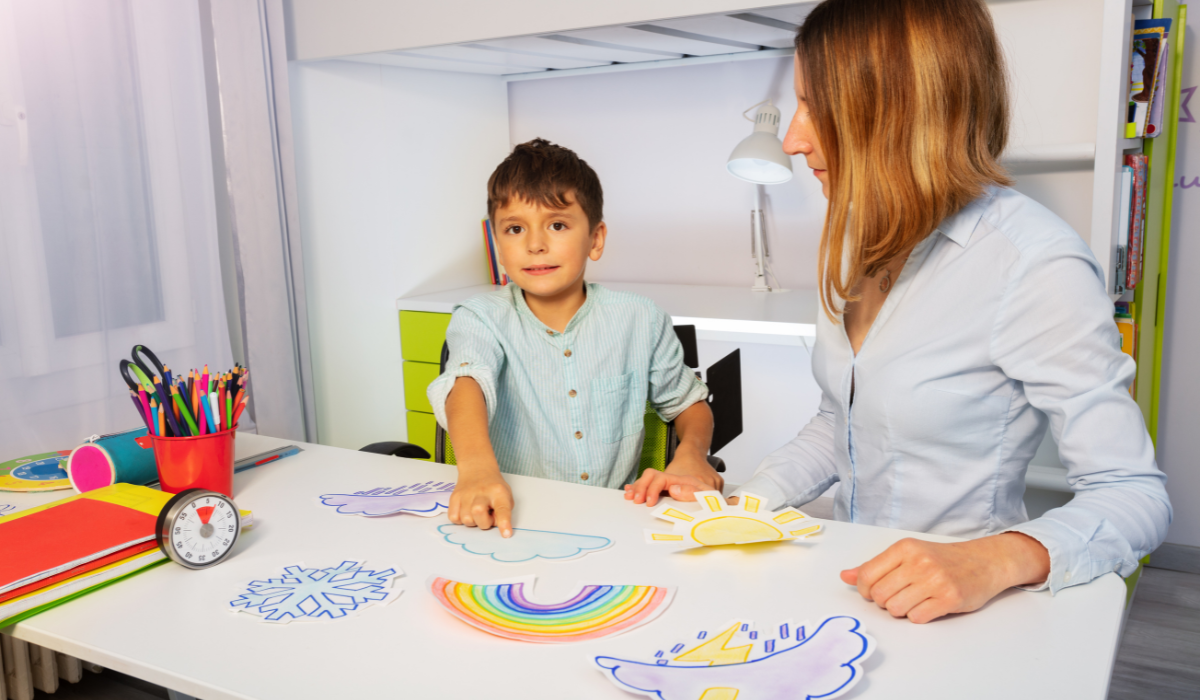
Developing focus and listening skills in children is essential for their overall growth and learning. For kids with autism, engaging in structured play can be a powerful way to enhance attention, comprehension, and social interaction. At our ABA Therapy Service, we incorporate games and activities specifically designed to support these skills, making learning both fun and effective. Consistent practice with these games can lead to noticeable improvements in daily routines, classroom participation, and even communication skills.
1. Simon Says
“Simon Says” is a classic game that encourages children to listen carefully and respond only when instructions are prefaced with “Simon says.”
- How it helps:
- This game improves auditory processing, attention span, and impulse control. Children must pay attention to details, which strengthens focus and listening skills.
- Tips for success:
- Start with simple commands and gradually increase complexity. Praise children for correct responses to reinforce positive behavior.
2. Memory Matching Games
Memory games with cards or pictures challenge children to recall positions and match pairs.
- How it helps:
- For kids with autism, memory matching games enhance visual and auditory attention, as they need to remember and follow the sequence of cards.
- Tips for success:
- Use images or objects that the child enjoys. Begin with fewer pairs and increase difficulty as their skills improve.
3. Follow-the-Leader
Follow-the-leader activities involve the child copying movements, actions, or gestures of a leader.
- How it helps:
- This game encourages observation, focus, and social engagement. Children practice following instructions while improving body awareness.
- Tips for success:
- Incorporate both verbal instructions and physical demonstrations. Alternate leadership roles to keep the game dynamic and engaging.
4. Storytelling with Actions
Reading a short story and incorporating actions for specific words or phrases engages children in active listening.
- How it helps:
- This method strengthens comprehension and memory while teaching children to associate words with actions. It also promotes engagement and attention.
- Tips for success:
- Choose interactive stories with repetitive actions. Encourage children to participate by performing the actions alongside the storyteller.
5. Treasure Hunt Games
A treasure hunt requires children to follow step-by-step directions to find hidden objects.
- How it helps:
- Treasure hunts develop sequential thinking, listening skills, and problem-solving abilities. Children learn to focus on instructions and plan their actions.
- Tips for success:
- Start with simple clues and gradually increase complexity. Use visual hints for children who benefit from additional support.
6. Board Games with Turn-Taking
Board games like “Candy Land” or “Chutes and Ladders” teach children to follow rules, wait for their turn, and make decisions based on instructions.
- How it helps:
- Turn-taking games enhance attention, patience, and social communication skills. Children practice listening to rules and applying them in gameplay.
- Tips for success:
- Keep sessions short to maintain attention. Use positive reinforcement to encourage patience and participation.
7. Musical Games
Games such as “Freeze Dance” or “Musical Chairs” require children to respond to auditory cues.
- How it helps:
- Music-based activities support auditory processing, attention control, and coordination. They also make learning enjoyable, which increases motivation for participation.
- Tips for success:
- Adjust the speed and complexity of the music cues based on the child’s ability. Encourage children to verbalize instructions to enhance engagement.
8. I-Spy Games
“I-Spy” games encourage children to observe surroundings and identify objects based on descriptive clues.
- How it helps:
- This activity strengthens focus, listening comprehension, and vocabulary development. It also encourages children to pay attention to detail in their environment.
- Tips for success:
- Start with obvious objects and gradually increase difficulty. Use visual aids for reinforcement when necessary.
9. Obstacle Course Games
Setting up an indoor or outdoor obstacle course with step-by-step instructions helps children follow multi-step directions.
- How it helps:
- This game encourages problem-solving, listening, and motor planning skills. Children must focus on instructions and anticipate what comes next, reinforcing sequential thinking.
- Tips for success:
- Use safe objects and give verbal prompts. Gradually increase difficulty as children become confident in completing the tasks independently.
10. “What’s Missing?” Games
Place a few objects on a table, allow the child to observe, then remove one while they close their eyes. Ask them to identify the missing item.
- How it helps:
- This game develops attention to detail, memory, and auditory comprehension when combined with verbal descriptions.
- Tips for success:
- Begin with a few items and increase the number gradually. Celebrate correct answers to boost confidence and engagement.
Conclusion
Games are not only fun but also essential tools for kids with autism to develop focus and listening skills. Incorporating structured play activities into daily routines can enhance attention, comprehension, and social interaction. Using top rated ABA therapy approaches ensures these activities are both therapeutic and engaging. Regular practice helps children generalize these skills to other settings, improving learning outcomes at school and home. Parents and educators can use these methods to support growth while fostering positive learning experiences.
At Able Minds ABA, we know your child is capable of more, and we’re here to show you what children with autism can do. Our expert ABA therapy builds skills for a successful life.
