


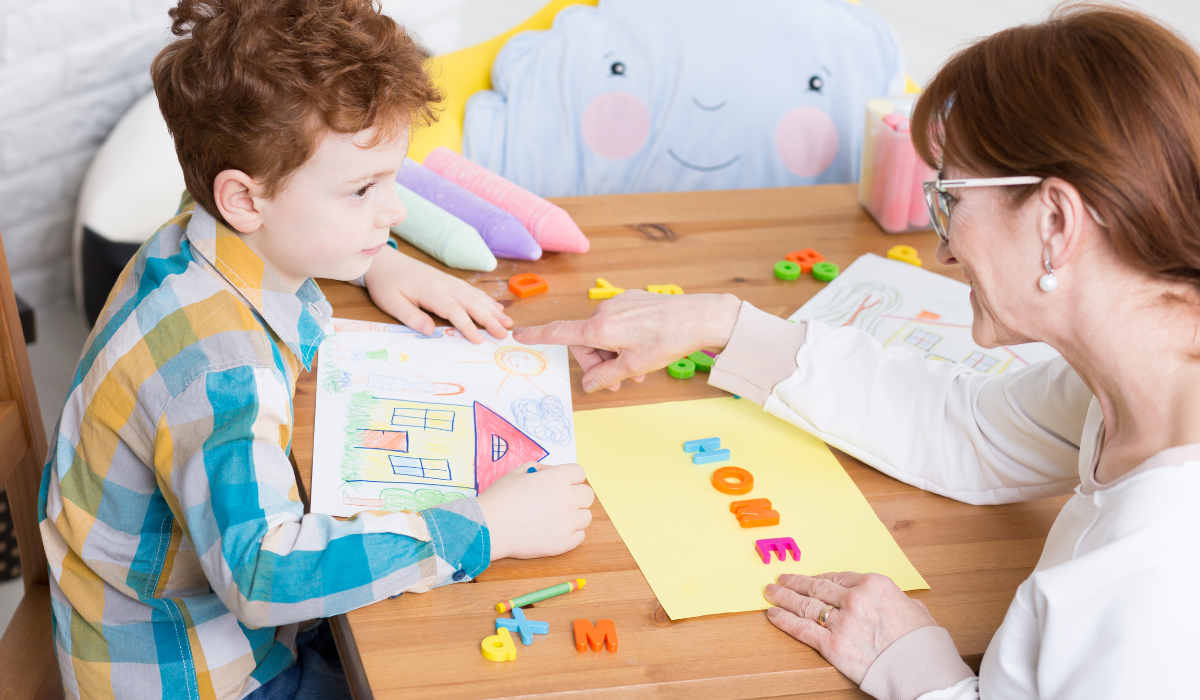
Communication is one of the most crucial skills a child develops, and for children on the autism spectrum, it can be a unique journey. Parents often search for guidance on how a speech therapist helps a child with autism while seeking effective support services. Engaging with top rated ABA therapy and professional programs from ABA agencies in Maryland ensures that children receive a tailored approach that addresses their specific communication needs.
Speech therapy plays an essential role in helping children express their thoughts, needs, and emotions more effectively. Children with autism may face challenges with verbal expression, understanding language, or using words in context. A speech therapist works closely with the child and family to create strategies that promote growth in these areas, ultimately helping them navigate social interactions and daily life more successfully.
Understanding Communication Challenges
Children with autism may experience delays or difficulties in speech and language development. Some may have limited vocabulary, struggle with forming sentences, or face challenges in social communication. These challenges can lead to frustration, behavior difficulties, or isolation.
Speech therapists assess each child individually, identifying areas where they need the most support. This evaluation is critical in developing a therapy plan that not only targets speech skills but also enhances overall confidence and engagement. By understanding the child’s unique needs, therapists can implement strategies that make communication more accessible and effective.
The Role of a Speech Therapist
Speech therapists focus on more than just teaching words. They help children develop essential communication skills, including understanding instructions, using gestures or alternative communication methods, and improving clarity of speech. Parents often ask how can a speech therapist help a child with autism in practical terms, and the answer involves creating individualized therapy plans that align with the child’s abilities and interests.
Therapists may use interactive activities, visual aids, or technology-assisted methods to encourage participation. They also work on conversational skills, helping children learn when and how to take turns in discussions, ask questions, and express feelings appropriately. This structured guidance gradually builds the child’s confidence and ability to communicate effectively in different environments.
Evidence-Based Strategies in Speech Therapy
Speech therapy for children with autism often integrates evidence-based approaches that are proven to improve communication outcomes. Techniques include:
- Modeling and Repetition: Repeating words and phrases helps children understand and retain language.
- Picture Exchange Communication Systems (PECS): Using pictures to communicate can be an effective bridge for nonverbal children.
- Social Stories: These narratives teach appropriate communication and social skills in real-life scenarios.
- Functional Communication Training: Focuses on using communication to meet specific needs, reducing frustration and challenging behaviors.
By applying these strategies, therapists address both expressive and receptive language skills, making communication more meaningful for the child.
Collaborating with Families
An essential aspect of speech therapy is family involvement. Therapists educate parents on techniques to reinforce communication skills at home and in daily routines. For instance, parents can learn how to model appropriate language, encourage turn-taking, and use visual cues to support understanding.
Collaboration also involves connecting families with additional resources. Many parents seek bcba jobs near me to hire certified professionals who can integrate Applied Behavior Analysis (ABA) principles alongside speech therapy, enhancing skill development and reinforcing learning consistently across environments.
Integrating ABA and Speech Therapy
ABA therapy complements speech therapy by addressing the behavioral components of communication. Children may be taught to initiate interactions, maintain attention during conversations, and respond appropriately to social cues. For families accessing services through ABA agencies in Maryland, combining ABA with speech therapy ensures a comprehensive approach that addresses both communication and behavioral challenges.
Parents often ask how can a speech therapist help a child with autism within an ABA program. The answer lies in coordination: therapists and ABA providers share insights, set measurable goals, and track progress systematically. This collaboration ensures that each child receives consistent support across different settings.
Milestones and Progress
Tracking progress is an integral part of speech therapy. Children may start with basic skills such as making sounds, following simple instructions, or using gestures. Over time, they progress to forming words, combining sentences, and engaging in back-and-forth conversations.
Parents may notice improvements in social interactions, frustration reduction, and overall engagement with peers and family members. A structured program that includes speech therapy and ABA interventions helps children achieve these milestones more effectively, fostering independence and confidence.
Choosing the Right Speech Therapist
Selecting a qualified speech therapist requires careful consideration. Parents should look for professionals with experience working with children with autism and familiarity with ABA strategies. Evaluating credentials, treatment approaches, and success stories from other families is essential.
Many families consult top rated ABA therapy providers or local ABA agencies in Maryland to identify reputable therapists. Recommendations from healthcare professionals, community support groups, and online reviews can also guide the decision-making process. Ultimately, the right therapist is one who understands the child’s unique strengths, challenges, and learning style.
Tips for Supporting Your Child at Home
Families can reinforce speech therapy strategies at home through simple, consistent practices:
- Encourage Communication: Create opportunities for your child to request items, ask questions, or express feelings.
- Use Visual Supports: Picture cards, charts, and visual schedules aid understanding and memory.
- Practice Daily Routines: Incorporate communication into everyday activities like mealtime, play, or chores.
- Celebrate Efforts: Positive reinforcement encourages continued practice and builds motivation.
By actively participating in the therapy process, parents help children generalize skills to different environments, enhancing both social and academic development.
Conclusion
Speech therapy is a vital tool for children with autism to develop essential communication skills. By understanding each child’s unique needs and integrating evidence-based strategies, therapists help children express themselves, interact socially, and build confidence. Combining speech therapy with ABA programs from trusted ABA agencies in Maryland ensures comprehensive support, empowering children to reach their full potential.
Parents seeking guidance on how can a speech therapist help a child with autism can find reassurance in structured therapy plans, consistent progress tracking, and collaboration between professionals and families. With the right support, children not only learn words but also develop the ability to connect meaningfully with the world around them.
At Able Minds ABA, we know your child is capable of more, and we’re here to show you what children with autism can do. Our expert ABA therapy builds skills for a successful life.
FAQs
How often should my child attend speech therapy?
The frequency of sessions depends on your child’s individual needs. Many children benefit from 2–3 sessions per week, combined with practice at home. Your speech therapist will create a schedule that balances progress with your child’s comfort and attention span.
Can speech therapy help my child improve social interactions?
Yes. Speech therapy not only develops language skills but also teaches children how to use words in social situations, take turns in conversation, and respond to questions or prompts appropriately.
Will my child need additional support outside therapy sessions?
Most children benefit from reinforcement at home and school. Parents can support progress by modeling communication, encouraging attempts at speech, and using visual aids or structured routines.
How do I find the right speech therapist for my child?
Look for therapists experienced with children on the autism spectrum who collaborate with ABA programs. Recommendations from top rated ABA therapy providers or ABA agencies in Maryland can guide you to qualified professionals.
Can nonverbal children still benefit from speech therapy?
Absolutely. Speech therapists use alternative communication methods, such as picture cards, PECS, or digital communication devices, to help nonverbal children express their needs and interact with others.
How long does it take to see progress in speech therapy?
Progress varies for each child depending on age, current communication level, and consistency in therapy. Many families notice improvements within a few months, while others may take longer. Combining therapy with strategies from top rated ABA therapy can accelerate results.
How can a speech therapist help a child with autism who struggles with language comprehension?
Speech therapists use individualized strategies such as visual aids, simplified language, and interactive activities to help children understand instructions and context, improving overall comprehension.
Can ABA therapy and speech therapy be done together?
Yes. Coordinating ABA agencies in Maryland with speech therapy ensures that communication skills are reinforced alongside behavioral development, providing a comprehensive approach for your child.
Are there ways to support my child’s communication at home?
Parents can practice routines, model proper language, use visual cues, and reinforce attempts at communication daily. Small, consistent efforts at home significantly enhance therapy outcomes.
What signs indicate that my child is making progress?
Indicators include using more words, following instructions better, engaging in back-and-forth communication, and showing increased confidence in expressing needs or feelings.
Can older children benefit from speech therapy?
Absolutely. Speech therapy is beneficial at any age. Older children can improve vocabulary, sentence structure, and social communication skills, helping them interact more effectively with peers and adults.
