


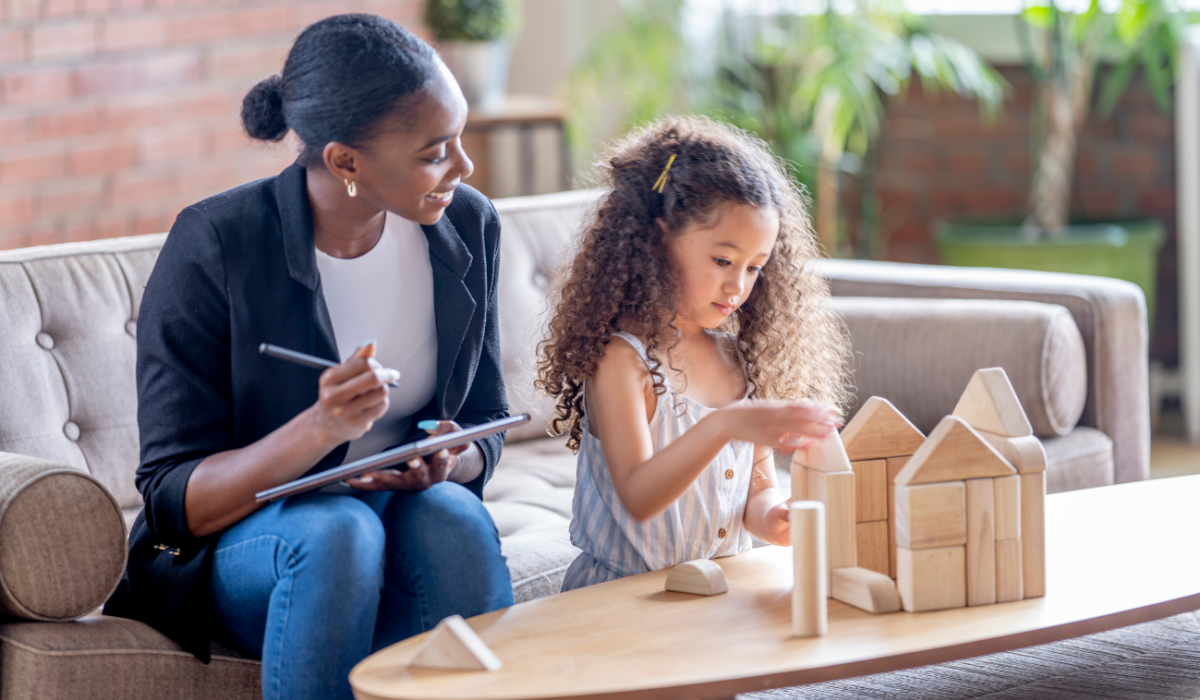
Entering a new space can feel overwhelming for many children. New people, unfamiliar routines, and unexpected changes often create worry or hesitation. Families want their child to feel confident and protected in these moments, and that’s where structured behavioral support plays a powerful role. aba therapy services give children the guidance, predictability, and encouragement they need to trust new surroundings and respond to them with calmness and confidence. By combining learning systems, positive reinforcement, and family collaboration, Helping Kids Feel Safe in New Environments becomes not only possible but deeply effective in long-term development.
Why New Environments Feel Challenging for Kids
Children rely on predictability to understand the world. A familiar home, school, or play setting gives them a clear sense of what comes next. But when they step into a new place—whether it’s a classroom, clinic, playground, or social event—the rules and expectations feel unknown. This lack of clarity may lead to hesitation, withdrawal, or refusal to participate.
Parents often notice signs such as clinging, silence, restlessness, or a strong desire to leave. These reactions do not mean a child is incapable; they simply reveal that the environment has changed faster than their comfort level. With structured behavioral approaches, children can learn to adjust at a comfortable pace. This is where Helping Kids Feel Safe in New Environments becomes a transformative process that builds lifelong coping skills.
How ABA Support Builds Safety and Comfort in New Places
Applied behavior methodologies give children clear, actionable ways to explore new surroundings without feeling overwhelmed. When ABA Helps, children experience step-by-step guidance that supports emotional stability and promotes independent success.
Here are the foundational strategies that make this approach effective:
Gradual Exposure Builds Trust
Children feel more secure when new places are introduced slowly. Instead of stepping into a completely unfamiliar setting without preparation, ABA professionals break the introduction into manageable stages.
A child may start with pictures of the environment, followed by a short visit, and then a slightly longer stay. Over time, these structured steps strengthen confidence. As the child becomes familiar with the layout, sounds, and people, their comfort naturally increases. This process reflects one of the ways ABA Helps children feel equipped to experience new places comfortably.
Predictability Reduces Worry
Predictability is one of the strongest contributors to emotional security. With the help of schedules, clear explanations, and simple visual systems, children learn what will happen next and why. Tools such as aba session coordination tools ensure that routines are consistent and well-organized across caregivers, therapists, and environments.
When expectations are clear, the unknown becomes manageable. A child who knows the steps of a routine—arriving, greeting, exploring, playing, and leaving—feels more grounded and less worried. Here again, ABA Helps by providing a structured foundation that children can rely on.
Positive Reinforcement Encourages Brave Behavior
Trying something new deserves recognition. When children are praised, rewarded, or encouraged for exploring new spaces, they feel proud of themselves. Reinforcement teaches them that their brave actions lead to good experiences.
These rewards may include high-fives, verbal praise, extra playtime, or a preferred item. Over time, children learn that engaging with new environments can be enjoyable. Through this method, ABA Helps children associate positive emotions with new surroundings instead of fear or hesitation.
Modeling and Practice Strengthen New Skills
Children build confidence through practice. ABA practitioners often demonstrate how to behave in a new setting—how to greet a person, join an activity, or ask for help. After modeling, the child practices with support until the behavior becomes natural.
This creates a powerful feedback loop: practice brings familiarity, familiarity brings comfort, and comfort brings success. Each small achievement builds resilience that extends beyond a single location.
Family Involvement Creates Consistent Security
Children feel safer when the adults around them respond in consistent ways. Parents, teachers, and caregivers receive training and strategies so they can offer the same type of guidance. This united approach ensures that children receive steady reassurance no matter where they go.
For families looking to join the field and support children professionally, available opportunities such as bcba jobs maryland demonstrate how essential trained experts are in helping families navigate this process.
The Importance of Preparation Before Entering a New Environment
Preparation helps children replace fear with readiness. When families and therapists prepare a child for what’s coming, they give them the emotional tools needed to feel grounded.
Below are the ways preparation enhances comfort:
Clear Explanations Create Understanding
Explaining new places in simple, friendly language helps children process the upcoming changes. When they know who they will meet, what the space looks like, and what activities will happen, the environment becomes less mysterious.
Previewing the Setting Builds Familiarity
Showing photos or videos of the new location allows children to mentally walk through the space before physically entering it. Many families take a brief practice visit to help the child discover the environment at a relaxed pace.
Setting Expectations Creates Confidence
When children know what they are allowed to do, what the rules are, and how long they will stay, they feel more prepared. A well-explained plan reduces uncertainty and boosts cooperation.
Allowing Questions Helps Children Express Concerns
Children might wonder who will be there, whether their parents will stay, or what activities will happen. Giving them time to ask questions makes them feel heard and protected.
What Happens When a Child Enters the New Environment
Once the child steps inside a new place, the supportive techniques continue. The goal is not just entering the space—it’s helping the child feel secure throughout the experience.
A Warm Welcome Sets the Tone
A friendly greeting from a therapist or caregiver helps the child feel noticed and valued. This simple gesture builds trust quickly, especially in unfamiliar surroundings.
Guided Exploration Reduces Fear
Instead of expecting the child to adjust instantly, ABA practitioners guide them slowly. They may walk around the room together, identify key areas, or meet the people involved. Exploration turns the unknown into something predictable and safe.
Structured Activities Build Engagement
Once the child feels comfortable, structured activities help them connect with the environment. These activities are tailored to the child’s interests and comfort level, encouraging participation without pressure.
Breaks Allow Time to Reset
Children may need small pauses as they adjust. ABA professionals recognize these moments and provide a quiet break when needed. Supporting the child’s pace allows them to stay regulated and confident.
How Repeated Exposure Strengthens Long-Term Confidence
New environments become easier with repetition. Each successful visit builds a child’s memory of positive experiences. When children learn to handle one new place, they carry those skills into the next.
Over time, families see powerful changes:
- The child becomes more willing to explore unfamiliar places.
- Worry decreases because they know how to manage new experiences.
- Independence grows as confidence replaces hesitation.
- Routines become smoother, even when changes occur.
This progress shows how Helping Kids Feel Safe in New Environments is not just a momentary achievement—it is a long-lasting skill that empowers children throughout life.
Conclusion
Every new environment provides opportunities for growth, learning, and discovery. With the right support system, children can overcome uncertainty and step into these spaces with courage. Structured behavioral strategies give children the tools to understand, navigate, and enjoy new experiences. When families, therapists, and caregivers work together, children learn to trust themselves—and the world around them.
By embracing thoughtful preparation, gradual exposure, and consistent encouragement, Helping Kids Feel Safe in New Environments becomes a meaningful and achievable goal for every child.
At Able Minds ABA, we know your child is capable of more, and we’re here to show you what children with autism can do. Our expert ABA therapy builds skills for a successful life.
FAQs
How does ABA Support help children feel safe in new environments?
ABA Support uses structured steps, clear routines, and positive reinforcement to help children understand and adjust to unfamiliar places. By breaking new experiences into smaller, comfortable stages, children gain confidence and learn how to navigate new surroundings successfully.
Why do some children struggle when entering new places?
Children often feel uncertain when routines, people, or expectations change. New places can seem unpredictable, which may cause worry or hesitation. ABA strategies reduce this uncertainty by making expectations clear and helping children feel more prepared.
What role does gradual exposure play in comfort building?
Gradual exposure introduces children to new environments in slow, manageable steps. They may start with pictures, short visits, or guided tours. Over time, this approach helps them develop familiarity and trust, making transitions smoother and more enjoyable.
How can parents support their child during transitions to new environments?
Parents can help by offering reassurance, preparing the child ahead of time, using clear explanations, and keeping routines consistent. Working closely with ABA professionals ensures that both home and therapy approaches match, creating a stable foundation.
Are ABA strategies useful for school transitions?
Yes. Many children struggle with new classrooms, teachers, or routines. ABA techniques help them understand expectations, follow steps, and build comfort gradually, making school transitions more successful.
