


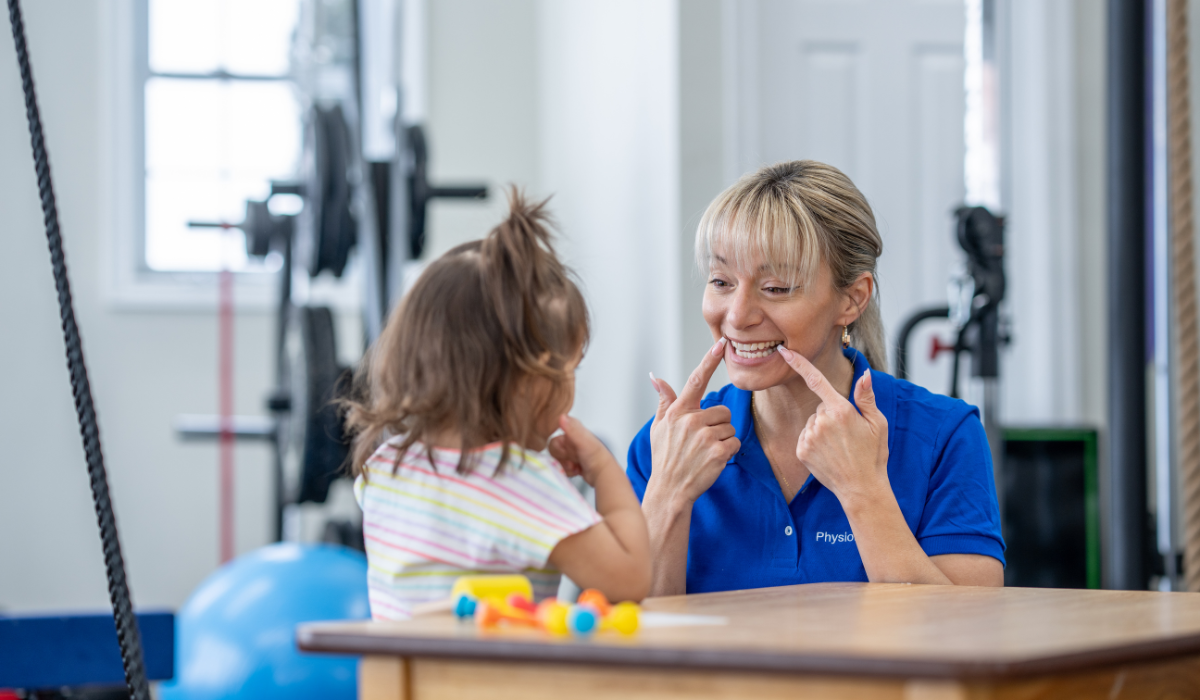
When a child breaks down because their cup is the “wrong” color or because playtime ends unexpectedly, it can leave parents confused, frustrated, and overwhelmed. These moments may feel minor to adults, but to children, they can feel huge. While every child is unique, the reasons behind these reactions often point to challenges with emotional regulation, communication, or transitions. And this is where structured behavioral support becomes valuable. Many families begin by looking for aba therapy services near me, wanting solutions that help their child handle daily frustrations more successfully.
This article explains why these big reactions happen, what they truly mean, and how ABA Helps children develop emotional strength, coping skills, and independence.
Understanding Why “Small Things” Feel Big to Children
Children often do not yet have the emotional vocabulary or coping mechanisms to manage frustration effectively. Something that looks tiny to an adult can feel overwhelming when a child has limited tools to express what they need or how they feel.
Several underlying factors contribute to these intense reactions:
1. Difficulty Understanding Expectations
Young children rely heavily on patterns. When something happens that doesn’t match their expectations—like a parent choosing a different snack or ending a game early—confusion quickly turns into frustration.
Without mature problem-solving skills, the smallest interruption can feel like a major disruption.
2. Limited Emotional Regulation Skills
Kids are still learning to:
- Pause before reacting
- Think through a situation
- Identify their emotions
- Choose a calm response
When regulation skills are still developing, frustration can trigger crying, yelling, or shutting down.
3. Trouble Communicating Needs or Feelings
Children who cannot clearly express feelings such as disappointment, worry, or wanting more control are more likely to show these feelings through challenging behavior.
Communication delays—even mild ones—can make “small things” feel impossible to handle.
4. Difficulty Shifting Focus or Handling Transitions
Switching from one activity to another requires cognitive flexibility. Many children find transitions stressful, especially when they are sudden or unexpected.
This is why they may panic when playtime ends, screen time is over, or plans change.
5. Feeling Overwhelmed by the Situation
Even small obstacles can feel large when a child’s internal world feels unmanageable. A spilled drink or misplaced toy becomes the tipping point.
Understanding these triggers is the first step toward helping your child stay calm and feel more in control.
How Consistent Behavior Support Creates Stronger Coping Skills
Big reactions to small problems are not signs of defiance or misbehavior. They are clues that your child needs more structured support in certain areas.
Applied behavior strategies, especially those provided through applied behavior analysis Maryland services and similar programs nationwide, help children build practical skills for emotional resilience.
Here’s how the right support makes a difference.
How ABA Helps Children Handle “Small Things” Better
Applied Behavior Analysis (ABA) provides a structured, evidence-driven approach to strengthening communication, emotional regulation, adaptability, and decision-making. One of the key benefits families notice is that ABA helps children adapt to sudden changes, allowing them to navigate new routines, environments, or unexpected situations with greater confidence. Parents searching for effective interventions often find that ABA helps children understand their world better and respond more calmly, fostering both independence and emotional resilience.
Below are the key ways this approach transforms daily challenges:
1. Teaching Emotional Awareness and Labelling
If your child struggles to express what they feel, reactions become their communication. ABA strengthens expressive and receptive communication so your child can describe their frustration instead of melting down.
Children learn:
- How to identify emotions
- How to request help
- How to describe the problem
- How to express needs more clearly
This empowers them to handle unexpected situations more confidently.
2. Building Coping Strategies for Frustrating Moments
A behavior technician, guided by a BCBA, breaks large goals into small, teachable steps. Children learn practical skills such as:
- Breathing exercises
- Asking for a break
- Requesting another option
- Staying calm during disappointment
This step-by-step teaching is one of the reasons ABA Helps children respond more independently and with greater control.
3. Strengthening Adaptability and Transition Skills
Changing activities can be overwhelming. ABA uses structured strategies to help children adjust more smoothly.
Tools include:
- Visual or verbal transition cues
- Clear countdowns
- Predictable routines
- Gradual exposure to new experiences
When transitions become more comfortable, daily frustrations reduce significantly.
4. Replacing Problem Behavior with Positive Alternatives
Children rarely intend to act out. They simply use the tools they have. ABA teaches better alternatives that meet the same need.
For example:
- Instead of crying when a toy is unavailable → ask for another option
- Instead of yelling when it’s time to stop playing → accept transitions with support
- Instead of running away during frustration → request a calm-down strategy
By reinforcing positive behaviors, ABA Helps children build confidence and independence.
5. Improving Communication for More Control and Confidence
Communication challenges can make small setbacks feel unmanageable. ABA strengthens both expressive and receptive communication, helping children:
- Ask questions
- Understand expectations
- Request assistance
- Express emotions
- Negotiate or problem-solve
This allows children to take control of situations that previously felt overwhelming.
6. Creating Predictable Routines That Reduce Stress
Children thrive when expectations are clear. ABA builds structured routines while allowing room for flexibility.
When children know what comes next, they feel safer—and fewer “small” moments turn into crises.
7. Using Visual Supports for Clear Understanding
For many children, visuals make rules and expectations easier to understand. Visuals reduce confusion and help your child anticipate upcoming activities, making them less likely to feel upset when plans shift.
8. Strengthening Problem-Solving Skills
A major reason children get upset is difficulty figuring out what to do next. ABA teaches step-by-step problem solving.
Skills include:
- Identifying the problem
- Trying a new strategy
- Asking for help
- Considering alternatives
As these skills grow, your child gains confidence to handle life’s small frustrations more independently.
What ABA Sessions Look Like for Supporting Emotional Growth
Families often wonder what happens during sessions that help children manage big emotions. The process is highly personalized and may include tools such as aba session coordination tools that ensure every team member supports your child’s goals consistently.
Assessment and Goal Setting
A BCBA evaluates communication, regulation, behavior patterns, and triggers. Goals are individualized—not generic.
Consistent Practice Through Play and Real-Life Situations
Sessions use structured teaching mixed with fun activities to practice emotional and behavioral skills in natural settings.
Positive Reinforcement
Children receive meaningful rewards when they show progress, helping them understand the value of calm responses.
Parent Collaboration
Families are coached on strategies to use at home, making improvements long-lasting.
The coordinated team approach also opens doors for professional growth, creating rewarding roles for those searching for a bcba job or related career paths.
How Parents Can Support Children Between ABA Sessions
While professional therapy creates the foundation, parents play a powerful role in shaping daily emotional success.
Here’s how you can help:
1. Stay Calm During Emotional Moments
Your response becomes your child’s model. Calm behavior teaches calm behavior.
2. Validate Feelings Before Teaching
Instead of correcting right away, begin with:
- “I know you’re upset.”
- “I see that you really wanted that.”
Validation lowers emotional intensity, making teaching easier.
3. Prepare for Transitions Early
Give warnings before switching activities. Even a 30-second heads-up can reduce meltdowns.
4. Offer Choices Whenever Possible
Choices create a sense of control. When kids feel empowered, they react less intensely.
5. Reinforce Positive Behavior
Celebrate even small improvements. Consistency builds long-term success.
How ABA Leads to Long-Term Emotional Strength
Most families report noticeable improvements in:
- Calmer mornings
- Easier transitions
- Reduced crying or yelling
- Better communication
- More independence
- Greater confidence
The skills children learn carry into school, social situations, and home life.
Over time, unexpected changes and “small things” that once caused major distress become manageable challenges.
This transformation happens because ABA Helps children understand the world, build coping tools, and feel in control of their experiences.
Conclusion
Children don’t get upset over “small things” because they want to be difficult. These moments reflect real emotional challenges that they may not yet have the skills to navigate. With the right support, they can learn to handle frustration, communicate needs, and adapt more easily to daily changes.
Structured behavioral strategies empower children with long-lasting skills that reduce emotional overwhelm and create a more peaceful home environment. Through patient guidance, consistent teaching, and evidence-driven methods, ABA Helps children build emotional resilience and thrive in everyday life.
At Able Minds ABA, we know your child is capable of more, and we’re here to show you what children with autism can do. Our expert ABA therapy builds skills for a successful life.
FAQs
Why does my child get upset over small changes or minor problems?
Children often react strongly to small issues because they are still developing emotional regulation, communication skills, and the ability to adapt to changes. What feels minor to adults can feel overwhelming to a child who has limited tools to manage frustration.
How can ABA support children who struggle with emotional reactions?
ABA offers structured teaching strategies that build coping skills, communication abilities, problem-solving, and smoother transitions. By teaching children how to respond calmly and request help, ABA reduces daily frustration and supports long-term emotional growth.
Will ABA help my child stay calm during unexpected situations?
Yes. ABA teaches children step-by-step strategies such as asking for support, following transition cues, expressing needs clearly, and practicing calming methods. These skills help children feel more in control when plans change.
What types of behaviors can ABA improve?
ABA helps with behaviors such as crying during transitions, frustration over small setbacks, difficulty expressing needs, shutting down, or showing intense reactions when expectations aren’t met. The goal is to build independence and confidence.
